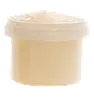
This barrier-repair moisturizer is formulated around Niacinamide and Ceramide NP to strengthen the skin barrier and hydrate skin.
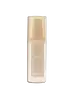
This hydrating serum is formulated around Panthenol and Sodium Hyaluronate to hydrate skin and strengthen the skin barrier.

What's inside
What's inside
 Key Ingredients
Benefits
Concerns
Ingredients Side-by-side
Water
Skin ConditioningGlycerin
Humectant


Butylene Glycol
Humectant
Dimethicone
Emollient
Glycereth-26
Humectant
Isononyl Isononanoate
EmollientXylitylglucoside
Humectant
Ammonium Acryloyldimethyltaurate/Vp Copolymer
Polyglyceryl-3 Methylglucose Distearate
Emulsifying

Anhydroxylitol
Humectant
Phenoxyethanol
Preservative
Xylitol
Humectant
Carbomer
Emulsion StabilisingCaprylyl Glycol
Emollient
Ethylhexylglycerin
Skin ConditioningDimethiconol
Emollient
Sodium Hydroxide
BufferingNiacinamide
Smoothing









Disodium EDTA
ChelatingSodium Hyaluronate
Humectant
Rosa Damascena Flower Extract
Masking
Xanthan Gum
EmulsifyingTocopherol
Antioxidant

Caprylic/Capric Triglyceride
Masking
Salvia Officinalis Extract
Antimicrobial
1,2-Hexanediol
Skin Conditioning
Actinidia Chinensis Fruit Extract
EmollientSodium Lauroyl Lactylate
EmulsifyingLindera Strychnifolia Root Extract
Skin ConditioningCeramide NP
Skin Conditioning
Ceramide AP
Skin Conditioning
Palmitoyl Tripeptide-5
Skin Conditioning
Phytosphingosine
Skin Conditioning
Cholesterol
Emollient
Rubus Idaeus Leaf Extract
Skin ConditioningCeramide EOP
Skin Conditioning
Water, Glycerin, Butylene Glycol, Dimethicone, Glycereth-26, Isononyl Isononanoate, Xylitylglucoside, Ammonium Acryloyldimethyltaurate/Vp Copolymer, Polyglyceryl-3 Methylglucose Distearate, Anhydroxylitol, Phenoxyethanol, Xylitol, Carbomer, Caprylyl Glycol, Ethylhexylglycerin, Dimethiconol, Sodium Hydroxide, Niacinamide, Disodium EDTA, Sodium Hyaluronate, Rosa Damascena Flower Extract, Xanthan Gum, Tocopherol, Caprylic/Capric Triglyceride, Salvia Officinalis Extract, 1,2-Hexanediol, Actinidia Chinensis Fruit Extract, Sodium Lauroyl Lactylate, Lindera Strychnifolia Root Extract, Ceramide NP, Ceramide AP, Palmitoyl Tripeptide-5, Phytosphingosine, Cholesterol, Rubus Idaeus Leaf Extract, Ceramide EOP
Water
Skin ConditioningGlycerin
Humectant
Butylene Glycol
Humectant
Isononyl Isononanoate
EmollientDimethicone
Emollient
Dipropylene Glycol
HumectantBis-Ethoxydiglycol Cyclohexane 1,4-Dicarboxylate
EmollientPanthenol
Skin Conditioning
Trehalose
Humectant
Xylitylglucoside
Humectant
Ammonium Acryloyldimethyltaurate/Vp Copolymer
Simmondsia Chinensis Seed Oil
Emollient
PEG-20 Methyl Glucose Sesquistearate
Emulsifying
Anhydroxylitol
Humectant
Polyacrylate-13
Phenoxyethanol
Preservative
Xylitol
Humectant
Adenosine
Skin Conditioning
Caprylyl Glycol
Emollient
Polyisobutene
Dimethiconol
Emollient
Synthetic Fluorphlogopite
Ethylhexylglycerin
Skin ConditioningPolysorbate 20
Emulsifying
Sodium Hyaluronate
Humectant
Sorbitan Isostearate
Emulsifying
Biosaccharide Gum-1
Humectant
Disodium EDTA
ChelatingUndaria Pinnatifida Extract
Skin ConditioningCrithmum Maritimum Callus Culture Filtrate
Skin ProtectingPalmitoyl Tripeptide-5
Skin Conditioning
Tocopherol
Antioxidant
Pseudanabaena Galeata Extract
Skin ConditioningCaramel
Cosmetic ColorantCI 77891
Cosmetic ColorantWater, Glycerin, Butylene Glycol, Isononyl Isononanoate, Dimethicone, Dipropylene Glycol, Bis-Ethoxydiglycol Cyclohexane 1,4-Dicarboxylate, Panthenol, Trehalose, Xylitylglucoside, Ammonium Acryloyldimethyltaurate/Vp Copolymer, Simmondsia Chinensis Seed Oil, PEG-20 Methyl Glucose Sesquistearate, Anhydroxylitol, Polyacrylate-13, Phenoxyethanol, Xylitol, Adenosine, Caprylyl Glycol, Polyisobutene, Dimethiconol, Synthetic Fluorphlogopite, Ethylhexylglycerin, Polysorbate 20, Sodium Hyaluronate, Sorbitan Isostearate, Biosaccharide Gum-1, Disodium EDTA, Undaria Pinnatifida Extract, Crithmum Maritimum Callus Culture Filtrate, Palmitoyl Tripeptide-5, Tocopherol, Pseudanabaena Galeata Extract, Caramel, CI 77891
Ingredients Explained
These ingredients are found in both products.
Ingredients higher up in an ingredient list are typically present in a larger amount.
Ammonium Acryloyldimethyltaurate/Vp Copolymer is a synthetically created polymer. It's used as a film-forming agent and used to thicken the consistency of products.
Think of it as a supportive ingredient that helps your gel-creams feel silky, "cloud cream-like", and spread evenly without being greasy.
The Cosmetic Ingredient Review (CIR) Expert Panel evaluated it (along with 22 other acryloyldimethyltaurate polymers) and concluded it's:
Due to its large molecular size, it sits on the surface of skin rather than penetrating it.
Learn more about Ammonium Acryloyldimethyltaurate/Vp CopolymerThis ingredient is created from dehydrating xylitol in acidic conditions. Xylitol is a famous sugar and humectant.
Much like its predecessor, anhydroxylitol is a humectant. Humectants attract and hold water to moisturize the skin.
This ingredient is most commonly found in a popular trio called Aquaxyl. Aquaxyl is made up of anhydroxylitol (24 - 34%), xylitylglucoside (35 - 50%), and xylitol (5 - 15%).
According to a manufacturer, Aquaxyl is known for a 3-D hydration concept and an anti-dehydration shield to reinforce the outer layer of skin.
This ingredient is often derived from plants such as wood and sugarcane.
Learn more about AnhydroxylitolButylene Glycol (or BG) is used within cosmetic products for a few different reasons:
Overall, Butylene Glycol is a safe and well-rounded ingredient that works well with other ingredients.
Though this ingredient works well with most skin types, some people with sensitive skin may experience a reaction such as allergic rashes, closed comedones, or itchiness.
Learn more about Butylene GlycolCaprylyl Glycol is a humectant, skin conditioner, emollient, and preservative booster derived from either caprylic acid or synthetically created.
Typical use levels vary from 0.3-1% as a preservative booster and go up to 2% to condition skin.
Because it is not a free-fatty acid, this ingredient is fungal acne safe (there's nothing for Malassezia to feed on).
Learn more about Caprylyl GlycolDimethicone is a type of synthetic silicone created from natural materials such as quartz. It is also known as polydimethylsiloxane.
What it does:
Dimethicone comes in different viscosities:
Depending on the viscosity, dimethicone has different properties.
Ingredients lists don't always show which type is used, so we recommend reaching out to the brand if you have questions about the viscosity.
This ingredient is unlikely to cause irritation because it does not get absorbed into skin. However, people with silicone allergies should be careful about using this ingredient.
Note: Dimethicone may contribute to pilling. This is because it is not oil or water soluble, so pilling may occur when layered with products. When mixed with heavy oils in a formula, the outcome is also quite greasy.
Learn more about DimethiconeDimethiconol is a silicone that resembles the popular dimethicone. Like other silicones, it is an emollient. Emollients create a thin film on skin to prevent moisture from escaping.
This ingredient helps to create a silky texture and improve spreadability. Due to its high molecular weight and thickness, it is often combined with cyclopentasiloxane.
Disodium EDTA is a chelating agent. It grabs onto and deactivates metal ions that sneak into your products from water, packaging, or air.
This ingredient mainly works behind the scenes and helps with:
On top of that, this ingredient can counteract the effects of hard water by binding to the minerals in it.
One thing worth knowing is that Disodium EDTA has been shown to be a mild penetration enhancer. It can help other ingredients absorb into skin more effectively which can be a double-edged sword (great for actives, but can also make the active too strong if you have sensitive skin).
Clinical patch testing showed no significant skin irritation at typical use concentrations and minimal dermal absorption.
You'll most likely see this ingredient near the end of an ingredient list. It's typically found in concentrations less than 1%.
Learn more about Disodium EDTAEthylhexylglycerin is created from glycerin. It is a multitasker ingredient that:
The CIR Expert Panel found minimal skin absorption or sensitization of any kind in a safety assessment. Though this ingredient is considered well-tolerated, a small number of cases of allergic dermatitis have been published since 2002. Just be sure to patch test if you are unsure.
Industry-reported use ranges from 8% in rinse-off products and 2% in leave-on formulations.
Learn more about EthylhexylglycerinGlycerin (or glycerol) is a compound naturally found in your skin. It's a powerhouse humectant that pulls water into the stratum corneum.
Topically, glycerin does several things at once:
Your skin makes glycerin on its own (mostly from sebaceous oil breakdown) and shuttles it to your outermost layer of skin, or your epidermis, via aquaporin-3.
Aquaporin-3 is a transporter that is essential for normal skin hydration, elasticity, and repair. Interestingly, mice lacking in AQP3 have dry and less elastic skin that can be fully corrected with glycerin.
This ingredient is non-irritating, plays well with almost every ingredient, and works across all skin types. Typical use is anywhere between 3-10% but can go up to 79% in some leave-on products.
Just know very high concentrations (>40%) can feel tacky in low humidity.
Glycerin is the name for this ingredient in American English. British English uses Glycerol/Glycerine.
Learn more about GlycerinIsononyl Isononanoate is a synthetic skin-conditioner and texture enhancer. It is created from nonanoic acid, a fatty acid found in cocoa and lavender oil.
As an emollient, Isononyl Isononanoate helps keep your skin soft and smooth. This is because emollients create a barrier on the skin to trap moisture in.
Isononyl Isononanoate helps give products a velvet feel and improves spreadability.
Learn more about Isononyl IsononanoatePalmitoyl Tripeptide-5 is a synthetic signal lipopeptide. This just means it is a three amino acid chain bolted onto a palmitic acid tail so it can slip through the skin's lipid barrier.
This peptide has a "build more, lose less" approach.
It's designed to mimic the collagen-stimulating activity in your skin by copying a snippet of one of your skin's own matrix proteins. This nudges fibroblasts into making more collagen while inhibiting the enzyme that breaks down skin protein.
The manufacturer's in vivo study of 45 volunteers found 1% and 2.5% reduced the appearance of wrinkles by 7% and 12% respectively, after using it twice daily for 84 days.
This is in the expected range for peptides; they're slow and cumulative actives and not overnight fixers.
Typical use levels range from 1-3% and this ingredient gets along with pretty much everything.
On the fungal acne front:
Although palmitic acid sits in the chain length that Malassezia can feed on, this ingredient has it locked in an amine bond. This makes it hard for Malassezia to access as a source of food, and therefore fungal acne safe.
Phenoxyethanol is one of the most widely used preservatives in skincare (and for good reason!).
It has a large spectrum of antimicrobial activity and especially effective bacteria, yeast, and mold while only having a weak effect on your skin's natural microbiome.
On a cellular level, it disrupts the cell membranes of microbes by poking holes that make the cell leak. This shuts down the chemical reactions the microbe needs to make energy so it can no longer survive.
Another perk of this ingredient is that it stays functional across a wide pH range (3-10).
You'll often see it paired with boosters like Ethylhexylglycerin; one study showed that a 1:9 ratio of Ethylhexylglycerin to Phenoxyethanol damages bacterial membranes as effectively as doubling the Phenoxyethanol concentration on its own.
Typical use concentrations range from 0.3-1% depending on the formula, and this ingredient is capped at 1% int the EU.
Safety-wise, the fear mongering does not hold up to the evidence. The EU's Scientific Committee on Consumer Safety and FDA consider it safe as a preservative at up to 1%, including for children of all ages.
Adverse systemic effects only showed up in animal studies at exposures roughly 200x higher than what people get from cosmetics. And despite its very widespread use, this ingredient is a rare sensitizer and allergic reactions are uncommon.
Learn more about PhenoxyethanolSodium Hyaluronate is the salt form of hyaluronic acid. It is a long sugar chain that is naturally found in your skin, joints, and connective tissue that maintains hydration and elasticity.
In skincare, it works as a humectant. It pulls water from the environment and deeper layers of skin and binds it to the surface.
Interestingly, the size of the molecule affects its behavior:
Some clinical evidence links low molecular weight versions to improved wrinkle depth, elasticity, anti-inflammatory effects, and barrier repair.
Many serums use a blend of both weights so you can get surface hydration plus longer-lasting and deeper effects.
You'll typically see concentrations between 0.1-2% for this ingredient.
Learn more about Sodium HyaluronateTocopherol is a fat-soluble antioxidant known as Vitamin E.
You'll find this ingredient in the vast majority of skincare (for good reason). It works to neutralize free radicals, or unstable molecules generated by UV exposure, pollution, and other environmental stressors, before they can cause oxidative damage to your skin cells.
Topically applied tocopherol has been shown to protect against UV damage by ramping up the skin's own natural defense enzymes.
It also acts as a skin conditioning agent; some studies show that regular topical use can improve the skin's water-binding capacity over 2-4 weeks.
This ingredient is especially loved for being a team player. When combined with Vitamin C, the photoprotective effect of both ingredients roughly doubles and the combo also helps reduce UV-induced DNA damage.
This ingredient has some brightening potential but it's more of a prevention ingredient than spot-fader. Cell studies show it can slow down melanin production but it's worth noting that it's not the most powerful brightener out there.
In formulations, it also serves as a stabilizer that helps protect other oxidation-prone ingredients from degrading.
Concentrations usually range from 0.1-1% in most leave-on products.
Learn more about TocopherolWater. It's the most common cosmetic ingredient of all. You'll usually see it at the top of ingredient lists, meaning that it makes up the largest part of the product.
So why is it so popular? Water most often acts as a solvent - this means that it helps dissolve other ingredients into the formulation.
You'll also recognize water as that liquid we all need to stay alive. If you see this, drink a glass of water. Remember to stay hydrated!
Learn more about WaterXylitol is a humectant and prebiotic. It can help with dry skin.
In studies, xylitol has been shown to improve dry skin. It decreased transepidermal water loss, or when water passes through the skin and evaporates. Xylitol also showed to help improve the biomechanical properties of the skin barrier.
The prebiotic property of xylitol may also help reinforce our skin's natural microbiome. Having a healthy microbiome prevents infection by bad bacteria and helps with hydration.
As a humectant, Xylitol helps draw moisture from both the air and from deeper skin layers. This helps keep skin hydrated.
Xylitol is a sugar alcohol and commonly used as a sugar substitute. It is naturally occurring in plants such as strawberries and pumpkin.
Learn more about XylitolXylitylglucoside is created from xylitol and glucose, two humectants.
Not surprisingly, this ingredient is also a humectant. It attracts and holds water in your skin, helping to maintain hydration.
This ingredient is most commonly found in a popular trio called Aquaxyl. Aquaxyl is made up of anhydroxylitol(24 - 34%), xylitylglucoside (35 - 50%), and xylitol (5 - 15%).
According to a manufacturer, Aquaxyl is known for a 3-D hydration concept and an anti-dehydration shield to reinforce the outer layer of skin.
Learn more about Xylitylglucoside

