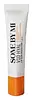
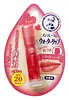
Some By Mi V10 Hyal Lip Sun Protector SPF 15 Versus Rohto Mentholatum Water Lip Color Balm SPF 20 PA++


What's inside
What's inside
 Key Ingredients
Benefits
Concerns
Ingredients Side-by-side
Bis-Diglyceryl Polyacyladipate-2
Emollient


Polyglyceryl-2 Isostearate/Dimer Dilinoleate Copolymer
EmollientDiisostearyl Malate
EmollientHydrogenated Castor Oil Isostearate
Skin Conditioning
Ethylhexyl Methoxycinnamate
UV Absorber


Pentaerythrityl Tetraisostearate
Emollient
Bis-Behenyl/Isostearyl/Phytosteryl Dimer Dilinoleyl Dimer Dilinoleate
EmollientHydrogenated Polyisobutene
EmollientPhytosteryl/Isostearyl/Cetyl/Stearyl/Behenyl Dimer Dilinoleate
Skin Conditioning
Tocopheryl Acetate
Antioxidant


Ethylhexyl Salicylate
UV Absorber
Euphorbia Cerifera Cera
Astringent
Caprylic/Capric Triglyceride
Masking

Microcrystalline Wax
Emulsion StabilisingCitrus Limon Peel Oil
Masking




Citrus Aurantium Dulcis Peel Oil
Masking
Olea Europaea Fruit Oil
Masking
Glyceryl Behenate/Eicosadioate
Emollient
Glycerin
Humectant
Water
Skin ConditioningPolyglyceryl-10 Stearate
Skin Conditioning
Panthenol
Skin Conditioning

Sodium Ascorbyl Phosphate
Antioxidant



Niacinamide
Smoothing



Retinyl Palmitate
Skin Conditioning
Biotin
AntiseborrhoeicThiamine Hcl
MaskingFolic Acid
Skin ConditioningPyridoxine
Skin ConditioningCyanocobalamin
Skin ConditioningDehydroacetic Acid
Preservative
Limonene
Perfuming
Bis-Diglyceryl Polyacyladipate-2, Polyglyceryl-2 Isostearate/Dimer Dilinoleate Copolymer, Diisostearyl Malate, Hydrogenated Castor Oil Isostearate, Ethylhexyl Methoxycinnamate, Pentaerythrityl Tetraisostearate, Bis-Behenyl/Isostearyl/Phytosteryl Dimer Dilinoleyl Dimer Dilinoleate, Hydrogenated Polyisobutene, Phytosteryl/Isostearyl/Cetyl/Stearyl/Behenyl Dimer Dilinoleate, Tocopheryl Acetate, Ethylhexyl Salicylate, Euphorbia Cerifera Cera, Caprylic/Capric Triglyceride, Microcrystalline Wax, Citrus Limon Peel Oil, Citrus Aurantium Dulcis Peel Oil, Olea Europaea Fruit Oil, Glyceryl Behenate/Eicosadioate, Glycerin, Water, Polyglyceryl-10 Stearate, Panthenol, Sodium Ascorbyl Phosphate, Niacinamide, Retinyl Palmitate, Biotin, Thiamine Hcl, Folic Acid, Pyridoxine, Cyanocobalamin, Dehydroacetic Acid, Limonene
Cetyl Ethylhexanoate
EmollientPolyethylene
Abrasive
Diisostearyl Malate
EmollientPetrolatum
Emollient
Lanolin
Emollient
Lanolin Acid
Cleansing
Ethylhexyl Methoxycinnamate
UV Absorber
Microcrystalline Wax
Emulsion StabilisingSodium Acetylated Hyaluronate
Humectant
Soluble Collagen
Humectant
Aloe Barbadensis Leaf Extract
Emollient
Honey
Humectant
Elaeis Guineensis Oil
Emollient
Paraffinum Liquidum
Emollient
Water
Skin Conditioning1,2-Hexanediol
Skin Conditioning
Dipropylene Glycol
HumectantButyl Methoxydibenzoylmethane
UV Absorber
Polyglyceryl-4 Oleate
Emulsifying
Polyglyceryl-6 Polyricinoleate
Emulsifying
Synthetic Fluorphlogopite
Dimethicone
Emollient
Alumina
Abrasive
Titanium Dioxide
Cosmetic Colorant
Mica
Cosmetic ColorantCI 15850
Cosmetic ColorantCI 73360
Cosmetic ColorantCetyl Ethylhexanoate, Polyethylene, Diisostearyl Malate, Petrolatum, Lanolin, Lanolin Acid, Ethylhexyl Methoxycinnamate, Microcrystalline Wax, Sodium Acetylated Hyaluronate, Soluble Collagen, Aloe Barbadensis Leaf Extract, Honey, Elaeis Guineensis Oil, Paraffinum Liquidum, Water, 1,2-Hexanediol, Dipropylene Glycol, Butyl Methoxydibenzoylmethane, Polyglyceryl-4 Oleate, Polyglyceryl-6 Polyricinoleate, Synthetic Fluorphlogopite, Dimethicone, Alumina, Titanium Dioxide, Mica, CI 15850, CI 73360
Reviews
Ingredients Explained
These ingredients are found in both products.
Ingredients higher up in an ingredient list are typically present in a larger amount.
Diisostearyl Malate is an emollient and most often used in lip products. It comes from isostearyl alcohol, a fatty acid, and malic acid, an AHA.
As an emollient, Diisostearyl Malate helps create a thin film on your skin to trap moisture in. This helps keep your skin soft and smooth.
This ingredient is also known as Octinoxate and is one of the oldest and most widely used chemical UV filters in skincare.
It has a simple job: soap up UVB radiation (290-320 nm), the wavelengths responsible for sunburn and a big chunk of long-term sun damage.
In formulas, it's always paired with a separate UVA filter because octinoxate solely protects skin from UVB.
Because it's an oil-soluble liquid, it's easy to blend into the oil phase of lotions/creams and gives a cosmetically elegant feel.
The one quirk about formulating this ingredient is photostability; the molecule slowly changes shape into a less effective version when sunlight hits it. So the longer you're in the sun, the weaker its protection gets. The drop can be more than 30% in some formulas.
It also doesn't play nice with Avobenzone (the common UVA filter) since avobenzone destabilizes octinoxate and the two degrade each other. But don't worry: brands have solved this issue by adding photostabilizers like Tinosorb S to prevent degradation and keep SPF stable under heavy UV exposure.
The maximum allowed level is 10% in the EU and Australia, 7.5% in the US and Canada, and 20% in Japan.
The Cosmetic Ingredient Review Panel has concluded this ingredient to be safe in cosmetics up to 10%.
One last thing worth knowing for context:
Octinoxate has been the subject of ongoing review in Europe where the Scientific Committee on Consumer Safety's (SCCS) 2025 final opinion is that this ingredient is an endocrine-active substance.
Lab and animal studies suggest it can act a bit like a hormone in the body (mildly mimicking estrogen and slightly blocking male hormones). It's important to know this hasn't really been shown to happen in everyday human use.
This ingredient is also banned in Hawaii over coral reef concerns.
Learn more about Ethylhexyl MethoxycinnamateMicrocrystalline Wax is derived from petroleum through a de-oiling process, then highly refined and purified before use in cosmetics.
In skincare formulations, it is used to improve texture and create a smooth, even consistency. It also helps stabilize products by preventing ingredients from separating.
Water. It's the most common cosmetic ingredient of all. You'll usually see it at the top of ingredient lists, meaning that it makes up the largest part of the product.
So why is it so popular? Water most often acts as a solvent - this means that it helps dissolve other ingredients into the formulation.
You'll also recognize water as that liquid we all need to stay alive. If you see this, drink a glass of water. Remember to stay hydrated!
Learn more about Water

