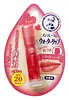
This anti-aging lip moisturizer is formulated around Petrolatum and Sodium Acetylated Hyaluronate to soften the look of wrinkles and hydrate lips.
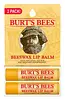
This lip moisturizer is formulated around Cera Alba and Cocos Nucifera Oil to hydrate lips.


What's inside
What's inside
 Key Ingredients
Benefits
Concerns
Ingredients Side-by-side
Cetyl Ethylhexanoate
EmollientPolyethylene
Abrasive

Diisostearyl Malate
EmollientPetrolatum
Emollient



Lanolin
Emollient

Lanolin Acid
Cleansing
Ethylhexyl Methoxycinnamate
UV Absorber

Microcrystalline Wax
Emulsion StabilisingSodium Acetylated Hyaluronate
Humectant

Soluble Collagen
Humectant
Aloe Barbadensis Leaf Extract
Emollient

Honey
Humectant
Elaeis Guineensis Oil
Emollient
Paraffinum Liquidum
Emollient
Water
Skin Conditioning1,2-Hexanediol
Skin Conditioning
Dipropylene Glycol
HumectantButyl Methoxydibenzoylmethane
UV Absorber
Polyglyceryl-4 Oleate
Emulsifying
Polyglyceryl-6 Polyricinoleate
Emulsifying
Synthetic Fluorphlogopite
Dimethicone
Emollient

Alumina
Abrasive
Titanium Dioxide
Cosmetic Colorant
Mica
Cosmetic ColorantCI 15850
Cosmetic ColorantCI 73360
Cosmetic ColorantCetyl Ethylhexanoate, Polyethylene, Diisostearyl Malate, Petrolatum, Lanolin, Lanolin Acid, Ethylhexyl Methoxycinnamate, Microcrystalline Wax, Sodium Acetylated Hyaluronate, Soluble Collagen, Aloe Barbadensis Leaf Extract, Honey, Elaeis Guineensis Oil, Paraffinum Liquidum, Water, 1,2-Hexanediol, Dipropylene Glycol, Butyl Methoxydibenzoylmethane, Polyglyceryl-4 Oleate, Polyglyceryl-6 Polyricinoleate, Synthetic Fluorphlogopite, Dimethicone, Alumina, Titanium Dioxide, Mica, CI 15850, CI 73360










Reviews
Ingredients Explained
These ingredients are found in both products.
Ingredients higher up in an ingredient list are typically present in a larger amount.
Lanolin is a waxy substance secreted by the sebaceous glands of wool-bearing sheep. It is an effective moisturizer that works as both a humectant and emollient.
As a humectant, it is able to absorb up to 400% of its own weight in water; this also gives it emulsifying properties as it can help stabilize water-in-oil emulsions.
On the other hand, lanolin is able to reduce transepidermal water loss (TEWL) by about 20-30%. It can also incorporate into the lipid matrix to surround skin cells and reinforce the skin barrier.
This is why you'll see lanolin as an ingredient for heavy-duty moisturizers.
You might have seen an "allergy concern" that gives lanolin a bad reputation. The rate of lanolin contact allergy in the general population is estimated to be under 0.5%, and most of these are seen in people with compromised-skin dealing with eczema, atopic dermatitis, or leg ulcers.
Healthy, intact skin tolerates lanolin well. Even people who have previously reacted to it test negative on patch tests when the test is done on normal skin.
Because lanolin comes from an animal, it is not considered vegan. Sheep secrete lanolin through sebaceous glands to help protect their skin from the environment.
Lanolin has a reputation as pore clogging but that comes almost entirely from rabbit ear testing done decades ago (and that model has aged badly).
This ingredient does have a comedogenic rating of 0-1; the tests state this score means the ingredient has low or non-existent chance of clogging your pores.
Keep in mind that the authors of the rabbit ear test proposed that a material needs to score consistently above 3 in the rabbit assay before it means anything for real skin.
A separate review found the model has serious performance problems and no correlation with human experience. Concentration matters a lot too: in one study, Acetylated Lanolin Alcohol scored 4 to 5 at full strength but dropped to a 1 when diluted to 2.5%, and finished products containing "comedogenic" ingredients didn't raise microcomedone counts in people.
Lanolin contains esters exactly in the range that the Malassezia yeast can synthesize, making this ingredient not fungal acne safe.
Learn more about Lanolin

