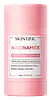
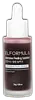
Skintific Niacinamide Bright Boost Clay Stick Versus ELFORMULA Intensive Peeling Solution AHA BHA PHA
This wash off mask is made with Kaolin and Niacinamide for a rinse-off brightening boost.
This smoothing treatment is formulated around Glycolic Acid and Gluconolactone to refine skin texture and brighten dull-looking skin.


What's inside
What's inside
 Key Ingredients
Benefits
Concerns
Ingredients Side-by-side
Water
Skin ConditioningGlycerin
Humectant


Butylene Glycol
Humectant
Titanium Dioxide
Cosmetic Colorant

Volcanic Soil
Skin Conditioning
Mica
Cosmetic ColorantKaolin
Abrasive



Niacinamide
Smoothing






Diglycerin
Humectant
Arbutin
Antioxidant

Sodium Palmitate
CleansingBeta-Glucan
Skin Conditioning
Panthenol
Skin Conditioning
Mineral Salts
Skin ConditioningTranexamic Acid
Astringent
Sodium Hyaluronate
Humectant
Rhamnose
HumectantJojoba Wax PEG-120 Esters
Surfactant

PEG-40 Hydrogenated Castor Oil
Emulsifying
CI 77491
Cosmetic ColorantCI 77492
Cosmetic ColorantMenthyl Lactate
Masking
CI 45380
Cosmetic ColorantGlycyrrhiza Glabra Root Extract
Bleaching
Punica Granatum Fruit Extract
Antioxidant
Hydroxypinacolone Retinoate
Skin Conditioning
Phenoxyethanol
Preservative
Caprylyl Glycol
Emollient
Aroma


Ethylhexylglycerin
Skin ConditioningDimethyl Isosorbide
SolventWater, Glycerin, Butylene Glycol, Titanium Dioxide, Volcanic Soil, Mica, Kaolin, Niacinamide, Diglycerin, Arbutin, Sodium Palmitate, Beta-Glucan, Panthenol, Mineral Salts, Tranexamic Acid, Sodium Hyaluronate, Rhamnose, Jojoba Wax PEG-120 Esters, PEG-40 Hydrogenated Castor Oil, CI 77491, CI 77492, Menthyl Lactate, CI 45380, Glycyrrhiza Glabra Root Extract, Punica Granatum Fruit Extract, Hydroxypinacolone Retinoate, Phenoxyethanol, Caprylyl Glycol, Aroma, Ethylhexylglycerin, Dimethyl Isosorbide
Water
Skin ConditioningGlycolic Acid
Buffering

Sodium Hydroxide
BufferingPentylene Glycol
Skin Conditioning
Gluconolactone
Skin Conditioning
Glycerin
Humectant
Propanediol
Solvent
Xanthan Gum
Emulsifying1,2-Hexanediol
Skin Conditioning
Salicylic Acid
Masking


Acacia Senegal Gum
MaskingC12-14 Alketh-12
EmulsifyingCaprylyl Glycol
Emollient
Hydrolyzed Gardenia Florida Extract
Antioxidant
Maltodextrin
Absorbent
Ethylhexylglycerin
Skin ConditioningSodium Phytate
Butylene Glycol
Humectant
Centella Asiatica Extract
Cleansing
Glycine
Buffering
Polygonum Cuspidatum Root Extract
Antioxidant
Scutellaria Baicalensis Root Extract
Astringent
Serine
Masking
Glutamic Acid
Humectant
Glycyrrhiza Glabra Root Extract
Bleaching
Camellia Sinensis Leaf Extract
Antimicrobial
Aspartic Acid
Masking
Leucine
Skin ConditioningRosmarinus Officinalis Leaf Extract
AntimicrobialChamomilla Recutita Flower Extract
Masking
Alanine
Masking
Lysine
Skin ConditioningArginine
Masking
Tyrosine
MaskingPhenylalanine
Masking
Valine
MaskingThreonine
Proline
Skin Conditioning
Isoleucine
Skin ConditioningTocopherol
Antioxidant
Histidine
Humectant
Methionine
Skin ConditioningCysteine
Antioxidant
Water, Glycolic Acid, Sodium Hydroxide, Pentylene Glycol, Gluconolactone, Glycerin, Propanediol, Xanthan Gum, 1,2-Hexanediol, Salicylic Acid, Acacia Senegal Gum, C12-14 Alketh-12, Caprylyl Glycol, Hydrolyzed Gardenia Florida Extract, Maltodextrin, Ethylhexylglycerin, Sodium Phytate, Butylene Glycol, Centella Asiatica Extract, Glycine, Polygonum Cuspidatum Root Extract, Scutellaria Baicalensis Root Extract, Serine, Glutamic Acid, Glycyrrhiza Glabra Root Extract, Camellia Sinensis Leaf Extract, Aspartic Acid, Leucine, Rosmarinus Officinalis Leaf Extract, Chamomilla Recutita Flower Extract, Alanine, Lysine, Arginine, Tyrosine, Phenylalanine, Valine, Threonine, Proline, Isoleucine, Tocopherol, Histidine, Methionine, Cysteine
Reviews
Ingredients Explained
These ingredients are found in both products.
Ingredients higher up in an ingredient list are typically present in a larger amount.
Butylene Glycol (or BG) is used within cosmetic products for a few different reasons:
Overall, Butylene Glycol is a safe and well-rounded ingredient that works well with other ingredients.
Though this ingredient works well with most skin types, some people with sensitive skin may experience a reaction such as allergic rashes, closed comedones, or itchiness.
Learn more about Butylene GlycolCaprylyl Glycol is a humectant, skin conditioner, emollient, and preservative booster derived from either caprylic acid or synthetically created.
Typical use levels vary from 0.3-1% as a preservative booster and go up to 2% to condition skin.
Because it is not a free-fatty acid, this ingredient is fungal acne safe (there's nothing for Malassezia to feed on).
Learn more about Caprylyl GlycolEthylhexylglycerin is created from glycerin. It is a multitasker ingredient that:
The CIR Expert Panel found minimal skin absorption or sensitization of any kind in a safety assessment. Though this ingredient is considered well-tolerated, a small number of cases of allergic dermatitis have been published since 2002. Just be sure to patch test if you are unsure.
Industry-reported use ranges from 8% in rinse-off products and 2% in leave-on formulations.
Learn more about EthylhexylglycerinGlycerin (or glycerol) is a compound naturally found in your skin. It's a powerhouse humectant that pulls water into the stratum corneum.
Topically, glycerin does several things at once:
Your skin makes glycerin on its own (mostly from sebaceous oil breakdown) and shuttles it to your outermost layer of skin, or your epidermis, via aquaporin-3.
Aquaporin-3 is a transporter that is essential for normal skin hydration, elasticity, and repair. Interestingly, mice lacking in AQP3 have dry and less elastic skin that can be fully corrected with glycerin.
This ingredient is non-irritating, plays well with almost every ingredient, and works across all skin types. Typical use is anywhere between 3-10% but can go up to 79% in some leave-on products.
Just know very high concentrations (>40%) can feel tacky in low humidity.
Glycerin is the name for this ingredient in American English. British English uses Glycerol/Glycerine.
Learn more about GlycerinGlycyrrhiza Glabra Root Extract is an extract of the roots of Licorice. It has been found to have several benefits such as skin hydrating, conditioning, and soothing.
One component, glabridin, has extra potent antioxidant and soothing properties. It has also been found to block pigmentation from UVB rays in guinea pigs.
Licorice Root also contains a flavonoid. Flavonoids are a natural substance from in plants. Flavonoids also have antioxidant properties.
Another component, glycyrrhizin, has been found to have anti-inflammatory and antimicrobial benefits. This may make licorice root extract effective at treating acne. However, more research is needed to support this.
Liquiritin is one of the flavone compounds found in licorice. It has been found to help lighten skin by preventing tyrosinase from reacting with tyrosine. When the two react, protein is converted to melanin. Melanin is the substance in your body that gives your features pigmentation.
Learn more about Glycyrrhiza Glabra Root ExtractWater. It's the most common cosmetic ingredient of all. You'll usually see it at the top of ingredient lists, meaning that it makes up the largest part of the product.
So why is it so popular? Water most often acts as a solvent - this means that it helps dissolve other ingredients into the formulation.
You'll also recognize water as that liquid we all need to stay alive. If you see this, drink a glass of water. Remember to stay hydrated!
Learn more about Water

