skinChemists Dr H Vitamin C Anti-Ageing Night Moisturiser Versus 111Skin Nocturnal Eclipse Recovery Cream NAC Y2
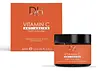
This brightening night moisturizer is formulated around Sodium Ascorbyl Phosphate to brighten dull-looking skin.
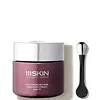
This barrier-repair night moisturizer is formulated around Centella Asiatica Extract and Hyaluronic Acid to strengthen the skin barrier and calm redness.

What's inside
What's inside
 Key Ingredients
Benefits
Concerns
Ingredients Side-by-side
Water
Skin ConditioningGlycerin
Humectant


Glyceryl Stearate Se
Emulsifying




Cetearyl Alcohol
Emollient

Caprylic/Capric Triglyceride
Masking
Stearic Acid
Cleansing
Cocos Nucifera Oil
Masking

Sodium Ascorbyl Phosphate
Antioxidant






Phenoxyethanol
Preservative
Benzyl Alcohol
Perfuming



Carbomer
Emulsion StabilisingParfum
Masking
Limonene
Perfuming
Disodium EDTA
ChelatingEthylhexylglycerin
Skin ConditioningDehydroacetic Acid
Preservative
Gardenia Taitensis Flower Extract
Skin ConditioningCitrus Aurantium Dulcis Peel Oil Expressed
Perfuming
Camellia Sinensis Leaf Extract
Antimicrobial

Potassium Sorbate
Preservative
Sodium Benzoate
Masking
Water, Glycerin, Glyceryl Stearate Se, Cetearyl Alcohol, Caprylic/Capric Triglyceride, Stearic Acid, Cocos Nucifera Oil, Sodium Ascorbyl Phosphate, Phenoxyethanol, Benzyl Alcohol, Carbomer, Parfum, Limonene, Disodium EDTA, Ethylhexylglycerin, Dehydroacetic Acid, Gardenia Taitensis Flower Extract, Citrus Aurantium Dulcis Peel Oil Expressed, Camellia Sinensis Leaf Extract, Potassium Sorbate, Sodium Benzoate
Water
Skin ConditioningIsopropyl Myristate
Emollient
Caprylic/Capric Triglyceride
Masking
Glyceryl Stearate Se
Emulsifying
Hydrogenated Palm Oil
Emollient
PEG-40 Hydrogenated Castor Oil
Emulsifying
Benzyl Alcohol
Perfuming
Stearic Acid
Cleansing
PEG-7 Hydrogenated Castor Oil
Emulsifying
Carbomer
Emulsion StabilisingTriethanolamine
BufferingLecithin
Emollient
Centella Asiatica Extract
Cleansing
Hyaluronic Acid
Humectant
Acetyl Cysteine
Antioxidant
Aesculus Hippocastanum Extract
Antioxidant
Sodium Ascorbyl Phosphate
Antioxidant
Olea Europaea Fruit Oil
Masking
Oryza Sativa Bran Oil
Emollient
Polysorbate 20
Emulsifying
Retinyl Palmitate
Skin Conditioning

Tocopherol
Antioxidant
Linoleic Acid
Cleansing
Xanthan Gum
EmulsifyingParfum
Masking
Water, Isopropyl Myristate, Caprylic/Capric Triglyceride, Glyceryl Stearate Se, Hydrogenated Palm Oil, PEG-40 Hydrogenated Castor Oil, Benzyl Alcohol, Stearic Acid, PEG-7 Hydrogenated Castor Oil, Carbomer, Triethanolamine, Lecithin, Centella Asiatica Extract, Hyaluronic Acid, Acetyl Cysteine, Aesculus Hippocastanum Extract, Sodium Ascorbyl Phosphate, Olea Europaea Fruit Oil, Oryza Sativa Bran Oil, Polysorbate 20, Retinyl Palmitate, Tocopherol, Linoleic Acid, Xanthan Gum, Parfum
Ingredients Explained
These ingredients are found in both products.
Ingredients higher up in an ingredient list are typically present in a larger amount.
Benzyl Alcohol is an aromatic alcohol with several roles: it's a preservative, solvent, and mild fragrance component with a floral scent.
This ingredient has been deemed safe for use in cosmetic formulations at concentrations up to 5%, and up to 10% in hair dyes. You'll typically see 0.5-2% in most rinse-off or leave-on products.
As a preservative, it works by disrupting the membrane of microbial proteins. This helps keep bacteria and fungi from growing in your products.
The sensitization picture is actually quite assuring as well:of nearly 71,000 patients patch tested with benzyl alcohol, only 0.21% showed a positive reaction with most of them being weakly positive.
This led researchers to conclude that benzyl alcohol cannot be regarded as a significant contact allergen.
It is worth noting this ingredient is classified as one of the EU's regulated fragrance allergens and restricted to 1% in finished products.
Labels must also declare it in concentrations above 0.001% in leave-on products and 0.01% in rinse-off products.
At concentrations around 5%, localized redness and itching can appear as a direct irritant response and not as a true allergic reaction.
Learn more about Benzyl AlcoholCaprylic/Capric Triglyceride (aka MCT Oil) is a lightweight emollient, solvent, and texture enhancer. It is considered a skin-softener by helping to prevent moisture loss.
Though it behaves like an oil, it is not technically one due to its chemical composition. One perk of this ingredient is that it is very stable, resistant to oxidation, and unlikely to go rancid.
In practice, that translates to a long shelf life and a consistently elegant skin feel.
While there is an assumption Caprylic Triglyceride can clog pores due to it being derived from coconut oil, there is no research supporting this. Just patch test if you have concerns.
Fractionated coconut oil and MCT Oil are both listed as Caprylic/Capric Triglyceride according to INCI. This is because INCI names are based on the ingredient’s final chemical composition and not its marketing name or source.
This ingredient is treated as the gold standard fungal acne safe oil. Even though it is coconut derived, the problematic lauric acid is stripped out.
This leaves just caprylic (C8) and capric (C10) acid. These chain lengths actually trend antifungal; a 2020 study found caprylic acid was enough to disrupt Malassezia furfur cell membrane, with a caprylic acid derivative damaging membrane structures at concentrations as low as 0.2%.
Learn more about Caprylic/Capric TriglycerideCarbomer is a synthetic thickening and gelling agent. It's basically the ingredient that gives a lot of serums, gels, creams, and sunscreens their smooth, non-sticky texture.
Although legally permitted at very high levels, carbomers are normally used at concentrations below 1%.
It also needs to be neutralized to actually thicken, and because it is a large molecule, it doesn't really penetrate the skin barrier.
Allergy-wise, the risk is very low. Clinical studies show carbomers have low potential for skin irritation/sensitization even at concentrations up to 100%.
A 2024 UK study patch-tested 1,302 patients and found true allergy to the parent group of carbomer to be rare with no confirmed relevant reactions.
Learn more about CarbomerGlyceryl Stearate SE is a self-emulsifying (SE) form of Glyceryl Stearate. It comes with a small amount of soap (usually potassium or sodium stearate) that gives it the "SE" part.
That soap lets it pull oil and water together on its own which is why it shows up as an emulsifier, thickener, and emollient.
Industry survey data shows this ingredient is used around 1-5% but Glyceryl Stearate goes as high at 17% in a leave-on deodorant.
Safety-wise, it's pretty boring: it's been deemed safe for topical use in 1982 and again most recently in 2021 by the CIR. Human repeat insult patch tests come back non-irritating, non-sensitizing, non-phototoxic, and non-photoallergenic.
This ingredient does carry a comedogenic rating of 3 from the old rabbit-ear assay. Just remember testing finished products in humans showed that formulas built with "comedogenic" ingredients are not necessarily comedogenic themselves. It's worth patch testing if you're breakout prone, and always listen to your skin.
The Malassezia yeast can potentially metabolize the stearic acid in this ingredient, so it may not be fungal acne safe.
Allergy is rare: a 310-patient patch test study of common emulsifiers found this ingredient was not a meaningful reactor. Isolated case reports do exist so a true contact allergy is possible but uncommon.
Learn more about Glyceryl Stearate SeParfum is a catch-all term for an ingredient or more that is used to give a scent to products.
Also called "fragrance", this ingredient can be a blend of hundreds of chemicals or plant oils. This means every product with "fragrance" or "parfum" in the ingredients list is a different mixture.
For instance, Habanolide is a proprietary trade name for a specific aroma chemical. When used as a fragrance ingredient in cosmetics, most aroma chemicals fall under the broad labeling category of “FRAGRANCE” or “PARFUM” according to EU and US regulations.
The term 'parfum' or 'fragrance' is not regulated in many countries. In many cases, it is up to the brand to define this term.
For instance, many brands choose to label themselves as "fragrance-free" because they are not using synthetic fragrances. However, their products may still contain ingredients such as essential oils that are considered a fragrance by INCI standards.
One example is Calendula flower extract. Calendula is an essential oil that still imparts a scent or 'fragrance'.
Depending on the blend, the ingredients in the mixture can cause allergies and sensitivities on the skin. Some ingredients that are known EU allergens include linalool and citronellol.
Parfum can also be used to mask or cover an unpleasant scent.
The bottom line is: not all fragrances/parfum/ingredients are created equally. If you are worried about fragrances, we recommend taking a closer look at an ingredient. And of course, we always recommend speaking with a professional.
Learn more about ParfumSodium Ascorbyl Phosphate (SAP) is a water-soluble form of Vitamin C. It is the salt of ascorbic acid.
This ingredient is commonly used in skincare because it's more formulation-stable while still offering the same benefits as pure ascorbic acid. Ascorbic acid is notorious for breaking down when exposed to sunlight and oxygen whereas SAP has been shown to be more stable.
Studies show SAP has anti-acne and antioxidant benefits. One study found 5% of SAP lotion to be an effective ingredient for treating acne vulgaris. This is because research shows that SAP may help control acne by reducing acne-causing bacteria and slowing the oxidation of skin oils caused by UV exposure.
In addition to acne, vitamin C is important for skin structure. Lab studies suggest SAP may support collagen production in skin cells, making it a great ingredient in anti-aging routines.
Vitamin C has many benefits: it helps reduce redness, improve skin texture, fade the appearance of dark spots, and brighten the skin.
Read more about other types of Vitamin C:
Learn more about Sodium Ascorbyl PhosphateStearic Acid is a fatty acid that is already found in your skin. It's one of the free fatty acids that works alongside ceramides and cholesterols to maintain your barrier.
In cosmetics, it is a multitasker:
Safety-wise, the CIR Expert Panel has concluded it to be safe in cosmetics when formulated to be non-irritating and non-sensitizing.
Free stearic acid is a C18 fatty acid that the Malassezia yeast can substrate, so this ingredient may not be fungal acne safe.
This ingredient does have a comedogenic rating of 2-3, but this doesn't mean a formula with this ingredient will clog pores.
Human testing has proved that any finished product with this ingredient won't automatically make you break out; it really comes down to concentration, formula, and your skin.
Learn more about Stearic AcidWater. It's the most common cosmetic ingredient of all. You'll usually see it at the top of ingredient lists, meaning that it makes up the largest part of the product.
So why is it so popular? Water most often acts as a solvent - this means that it helps dissolve other ingredients into the formulation.
You'll also recognize water as that liquid we all need to stay alive. If you see this, drink a glass of water. Remember to stay hydrated!
Learn more about Water

