Sidmool Galatokside Real Peptide Barrier Moisture Soo Boon Cream Versus Sidmool D-Panthenol Barrier Cream
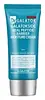
This barrier-repair moisturizer is formulated around Copper Tripeptide-1 and Galactomyces Ferment Filtrate to strengthen the skin barrier and hydrate skin.
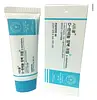
This barrier-repair moisturizer is formulated around Panthenol and Glycyrrhiza Glabra Root Extract to strengthen the skin barrier and calm redness.

What's inside
What's inside
 Key Ingredients
Benefits
Concerns
Ingredients Side-by-side
Copper Tripeptide-1
Skin Conditioning



Galactomyces Ferment Filtrate
Humectant





Butylene Glycol
Humectant
Glycerin
Humectant
Caprylic/Capric Triglyceride
Masking
Paeonia Suffruticosa Root Extract
Skin ProtectingScutellaria Baicalensis Root Extract
Astringent
Hydrogenated Lecithin
Emulsifying
Pentylene Glycol
Skin Conditioning
Betaine
Humectant
Sh-Oligopeptide-1
Skin Conditioning
Sh-Polypeptide-11
Sh-Oligopeptide-2
Skin Conditioning
Madecassoside
Antioxidant

Asiaticoside
Antioxidant
Asiatic Acid
Skin Conditioning
Madecassic Acid
Skin Conditioning
Ceramide NP
Skin Conditioning
Sucrose
Humectant
Fructose
Humectant
Glucose
Humectant
Polyglutamic Acid
Skin Conditioning
Hyaluronic Acid
Humectant
Sodium Hyaluronate
Humectant
Sodium PCA
Humectant
Beta-Glucan
Skin Conditioning
Hydroxyethyl Urea
Humectant
Portulaca Oleracea Extract
Skin Conditioning
Trehalose
Humectant
Dipotassium Glycyrrhizate
Humectant
Tocopherol
Antioxidant

Hydroxyethylcellulose
Emulsion StabilisingCarbomer
Emulsion StabilisingAdenosine
Skin Conditioning
Arginine
Masking
1,2-Hexanediol
Skin Conditioning
Copper Tripeptide-1, Galactomyces Ferment Filtrate, Butylene Glycol, Glycerin, Caprylic/Capric Triglyceride, Paeonia Suffruticosa Root Extract, Scutellaria Baicalensis Root Extract, Hydrogenated Lecithin, Pentylene Glycol, Betaine, Sh-Oligopeptide-1, Sh-Polypeptide-11, Sh-Oligopeptide-2, Madecassoside, Asiaticoside, Asiatic Acid, Madecassic Acid, Ceramide NP, Sucrose, Fructose, Glucose, Polyglutamic Acid, Hyaluronic Acid, Sodium Hyaluronate, Sodium PCA, Beta-Glucan, Hydroxyethyl Urea, Portulaca Oleracea Extract, Trehalose, Dipotassium Glycyrrhizate, Tocopherol, Hydroxyethylcellulose, Carbomer, Adenosine, Arginine, 1,2-Hexanediol
Water
Skin ConditioningPanthenol
Skin Conditioning
Cetearyl Alcohol
Emollient



Butylene Glycol
Humectant
Caprylic/Capric Triglyceride
Masking
Isoamyl Laurate
Emollient
Glyceryl Stearate
Emollient
Pantolactone
Humectant
Glycosaminoglycans
EmollientAllium Cepa Bulb Extract
Skin Conditioning
Glycyrrhiza Glabra Root Extract
Bleaching
Royal Jelly Extract
Skin Conditioning
Morus Alba Bark Extract
Skin ConditioningRosa Canina Fruit Extract
Astringent
Broussonetia Kazinoki Callus Culture Extract
Skin ConditioningPropolis Extract
Skin Conditioning

Allantoin
Skin Conditioning
Camellia Sinensis Leaf Extract
Antimicrobial

Sodium PCA
Humectant
Hyaluronic Acid
Humectant
Squalane
Emollient
Pentylene Glycol
Skin Conditioning
Glycerin
Humectant
Xanthan Gum
EmulsifyingTocopheryl Acetate
Antioxidant
Dipotassium Glycyrrhizate
Humectant
1,2-Hexanediol
Skin Conditioning
Scutellaria Baicalensis Root Extract
Astringent
Paeonia Suffruticosa Root Extract
Skin ProtectingWater, Panthenol, Cetearyl Alcohol, Butylene Glycol, Caprylic/Capric Triglyceride, Isoamyl Laurate, Glyceryl Stearate, Pantolactone, Glycosaminoglycans, Allium Cepa Bulb Extract, Glycyrrhiza Glabra Root Extract, Royal Jelly Extract, Morus Alba Bark Extract, Rosa Canina Fruit Extract, Broussonetia Kazinoki Callus Culture Extract, Propolis Extract, Allantoin, Camellia Sinensis Leaf Extract, Sodium PCA, Hyaluronic Acid, Squalane, Pentylene Glycol, Glycerin, Xanthan Gum, Tocopheryl Acetate, Dipotassium Glycyrrhizate, 1,2-Hexanediol, Scutellaria Baicalensis Root Extract, Paeonia Suffruticosa Root Extract
Reviews
Ingredients Explained
These ingredients are found in both products.
Ingredients higher up in an ingredient list are typically present in a larger amount.
1,2-Hexanediol is a synthetic liquid and another multi-functional powerhouse.
It is a:
- Humectant, drawing moisture into the skin
- Emollient, helping to soften skin
- Solvent, dispersing and stabilizing formulas
- Preservative booster, enhancing the antimicrobial activity of other preservatives
Butylene Glycol (or BG) is used within cosmetic products for a few different reasons:
Overall, Butylene Glycol is a safe and well-rounded ingredient that works well with other ingredients.
Though this ingredient works well with most skin types, some people with sensitive skin may experience a reaction such as allergic rashes, closed comedones, or itchiness.
Learn more about Butylene GlycolCaprylic/Capric Triglyceride (aka MCT Oil) is a lightweight emollient, solvent, and texture enhancer. It is considered a skin-softener by helping to prevent moisture loss.
Though it behaves like an oil, it is not technically one due to its chemical composition. One perk of this ingredient is that it is very stable, resistant to oxidation, and unlikely to go rancid.
In practice, that translates to a long shelf life and a consistently elegant skin feel.
While there is an assumption Caprylic Triglyceride can clog pores due to it being derived from coconut oil, there is no research supporting this. Just patch test if you have concerns.
Fractionated coconut oil and MCT Oil are both listed as Caprylic/Capric Triglyceride according to INCI. This is because INCI names are based on the ingredient’s final chemical composition and not its marketing name or source.
This ingredient is treated as the gold standard fungal acne safe oil. Even though it is coconut derived, the problematic lauric acid is stripped out.
This leaves just caprylic (C8) and capric (C10) acid. These chain lengths actually trend antifungal; a 2020 study found caprylic acid was enough to disrupt Malassezia furfur cell membrane, with a caprylic acid derivative damaging membrane structures at concentrations as low as 0.2%.
Learn more about Caprylic/Capric TriglycerideDipotassium Glycyrrhizate comes from licorice root.
Extracts of licorice have demonstrated to have antibacterial, anti‐inflammatory, antiviral, antioxidant properties.
One component, glabridin, has extra potent antioxidant and soothing properties. It has also been found to block pigmentation from UVB rays in guinea pigs.
Licorice Root also contains a flavonoid. Flavonoids are a natural substance from in plants. Flavonoids also have antioxidant properties.
Another component, glycyrrhizin, has been found to have anti-inflammatory and antimicrobial benefits. This may make licorice root extract effective at treating acne. However, more research is needed to support this.
Liquiritin is one of the flavone compounds found in licorice. It has been found to help lighten skin by preventing tyrosinase from reacting with tyrosine. When the two react, protein is converted to melanin. Melanin is the substance in your body that gives your features pigmentation.
Licorice root is native to Southern Europe and Asia. It has been used in traditional Chinese medicine to help with respiratory issues.
Learn more about Dipotassium GlycyrrhizateGlycerin (or glycerol) is a compound naturally found in your skin. It's a powerhouse humectant that pulls water into the stratum corneum.
Topically, glycerin does several things at once:
Your skin makes glycerin on its own (mostly from sebaceous oil breakdown) and shuttles it to your outermost layer of skin, or your epidermis, via aquaporin-3.
Aquaporin-3 is a transporter that is essential for normal skin hydration, elasticity, and repair. Interestingly, mice lacking in AQP3 have dry and less elastic skin that can be fully corrected with glycerin.
This ingredient is non-irritating, plays well with almost every ingredient, and works across all skin types. Typical use is anywhere between 3-10% but can go up to 79% in some leave-on products.
Just know very high concentrations (>40%) can feel tacky in low humidity.
Glycerin is the name for this ingredient in American English. British English uses Glycerol/Glycerine.
Learn more about GlycerinHyaluronic acid (HA) is a glycosaminoglycan (basically a long sugar chain) that your skin already makes on its own. In your skin, HA lives in the extracellular matrix and acts as the body's moisture reservoir.
Topically, HA is a humectant that binds water and helps skin look more plump, smooth, and hydrated.
The only catch is that HA isn't a single thing; it actually comes in a wide range of molecular weights (~50 - 2,000+ kDA) and size matters.
Some clinical evidence links low molecular weight versions to improved wrinkle depth, elasticity, anti-inflammatory effects, and barrier repair.
This is why the best HA serums blend the two sizes together so you get the best of both worlds.
The majority of cosmetic HA is produced by bacterial fermentation, typically using Streptococcus or Bacillus strains. Typical use levels in skincare sit around 0.1-2%.
A clinical study using a 0.2% low-molecular weight HA gel showed improvement in facial seborrheic dermatitis with excellent tolerance.
These are some other common types of Hyaluronic Acid:
Learn more about Hyaluronic AcidPaeonia Suffruticosa Root Extract comes Peony plant. It has anti-inflammatory and antioxidant properties.
Emerging studies also show peony root may help reduce hyperpigmentation.
Ancient Chinese medicine has used peony root to treat dark spots, but studies are looking into this claim more.
Learn more about Paeonia Suffruticosa Root ExtractPentylene Glycol (1,2-pentanediol) is a multitasking little diol with three main roles in a formula:
Research on alkanediols (the family pentylene glycol belongs to) show they work by disrupting microbial cell membranes. This disruption helps the primary preservative system in a product work more effectively at lower doses.
On the safety side, the Cosmetic Ingredient Review Expert Panel has concluded this ingredient to be safe as used in current cosmetic practices + concentrations.
Typical use levels in a formula run about 1-5%.
Learn more about Pentylene GlycolScutellaria Baicalensis Root Extract comes from the Baikal skullcap or Chinese skullcap plant. This plant is native to Northeast Asia and can be found in China, Mongolia, Korea, and Siberia.
In cosmetics, Scutellaria Baicalensis Root Extract provides antioxidant and anti-inflammatory benefits. This is due to the flavonoid composition of Scutellaria Baicalensis Root Extract.
In Chinese traditional folk medicine, Scutellaria Baicalensis Root Extract is used to help treat lung issues and hypertension.
Learn more about Scutellaria Baicalensis Root ExtractSodium PCA (the salt of PCA) is one of the most well-established humectants in skincare.
Why is it so special? Your skin already makes it naturally; it's a natural component of your skin's Natural Moisturizing Factor (NMF), or the mix of water-binding compounds inside your skin cells that keeps things soft and hydrated.
As a cosmetic ingredient, it grabs water and holds it in the upper layers of skin to smooth roughness and ease dehydration.
There's some clinical support for the NMF approach with a study showing that a cream built to mimic the skin's NMF significantly boosted hydration.
Safety-wise, this ingredient non-irritating, non-comedogenic, and non-phototoxic in testing, with minimal skin absorption.
It also works really well with other hydrators like glycerin or hyaluronic acid, and typical usage is somewhere between 0.2-4%.
Learn more about Sodium PCA

