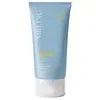
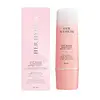
Sibling Daily Aqua Shield All UV Sunscreen SPF 50+ Versus Her Hyness Hya+ Water Sunscreen SPF 50+ PA++++
This chemical sunscreen covers the full UV range and blocks ~98% of UVB at SPF 50.
This hybrid sunscreen covers the full UV range and blocks ~98% of UVB at SPF 50.

What's inside
What's inside
 Key Ingredients
Benefits
Concerns
Ingredients Side-by-side
Water
Skin ConditioningEthylhexyl Methoxycinnamate
UV Absorber


Dibutyl Adipate
EmollientPropanediol
Solvent

Methyl Methacrylate Crosspolymer

Diethylamino Hydroxybenzoyl Hexyl Benzoate
UV Filter
Ethylhexyl Triazone
UV Absorber
Methylene Bis-Benzotriazolyl Tetramethylbutylphenol
UV Filter
Poly C10-30 Alkyl Acrylate
Emulsion StabilisingCoco-Caprylate/Caprate
Emollient
Diethylhexyl Butamido Triazone
UV Absorber
Polyglyceryl-3 Methylglucose Distearate
Emulsifying

Glycerin
Humectant
Phenoxyethanol
Preservative
1,2-Hexanediol
Skin Conditioning
Behenyl Alcohol
Emollient
Pentylene Glycol
Skin Conditioning
Polyacrylate Crosspolymer-6
Emulsion StabilisingDecyl Glucoside
Cleansing
Sodium Acrylates Crosspolymer-2
AbsorbentHydroxyethyl Urea
Humectant
Bisabolol
Antioxidant


Sodium Stearoyl Glutamate
CleansingChlorphenesin
Antimicrobial
Glycogen
HumectantMaltodextrin
Absorbent
Propylene Glycol
Humectant
Xanthan Gum
EmulsifyingAlpha-Glucan
HumectantCaesalpinia Sappan Extract
Skin ConditioningGlucosyl Ceramide
Skin Conditioning

Glucose
Humectant
Hydrolyzed Pea Protein
EmollientSodium Chloride
MaskingHelianthus Annuus Sprout Extract
Skin ConditioningSodium Succinate
BufferingWater, Ethylhexyl Methoxycinnamate, Dibutyl Adipate, Propanediol, Methyl Methacrylate Crosspolymer, Diethylamino Hydroxybenzoyl Hexyl Benzoate, Ethylhexyl Triazone, Methylene Bis-Benzotriazolyl Tetramethylbutylphenol, Poly C10-30 Alkyl Acrylate, Coco-Caprylate/Caprate, Diethylhexyl Butamido Triazone, Polyglyceryl-3 Methylglucose Distearate, Glycerin, Phenoxyethanol, 1,2-Hexanediol, Behenyl Alcohol, Pentylene Glycol, Polyacrylate Crosspolymer-6, Decyl Glucoside, Sodium Acrylates Crosspolymer-2, Hydroxyethyl Urea, Bisabolol, Sodium Stearoyl Glutamate, Chlorphenesin, Glycogen, Maltodextrin, Propylene Glycol, Xanthan Gum, Alpha-Glucan, Caesalpinia Sappan Extract, Glucosyl Ceramide, Glucose, Hydrolyzed Pea Protein, Sodium Chloride, Helianthus Annuus Sprout Extract, Sodium Succinate
Water
Skin ConditioningButyl Methoxydibenzoylmethane
UV Absorber
Octocrylene
UV Absorber
Titanium Dioxide
Cosmetic Colorant
Ethylhexyl Salicylate
UV Absorber
Zinc Oxide
Cosmetic Colorant
Glycine Soja Phytoplacenta Extract
Skin ConditioningGlycerin
Humectant
Phospholipids
Skin Conditioning
Glycereth-26
Humectant
Aluminum Hydroxide
EmollientHydroxyethyl Urea
Humectant
Niacinamide
Smoothing





Royal Jelly
Butylene Glycol
Humectant
1,2-Hexanediol
Skin Conditioning
Lecithin
Emollient
Hydrogenated Lecithin
Emulsifying
Dipotassium Glycyrrhizate
Humectant
Chamaecyparis Obtusa Leaf Extract
Skin ConditioningPotassium Olivoyl PCA
CleansingCeramide NP
Skin Conditioning
Tromethamine
BufferingGalactoarabinan
Caprylyl Glycol
Emollient
Hydroxypropyl Cyclodextrin
MaskingMelatonin
Antioxidant
Adenosine
Skin Conditioning
Sodium Hyaluronate
Humectant
Phenoxyethanol
Preservative
Ethylhexylglycerin
Skin ConditioningWater, Butyl Methoxydibenzoylmethane, Octocrylene, Titanium Dioxide, Ethylhexyl Salicylate, Zinc Oxide, Glycine Soja Phytoplacenta Extract, Glycerin, Phospholipids, Glycereth-26, Aluminum Hydroxide, Hydroxyethyl Urea, Niacinamide, Royal Jelly, Butylene Glycol, 1,2-Hexanediol, Lecithin, Hydrogenated Lecithin, Dipotassium Glycyrrhizate, Chamaecyparis Obtusa Leaf Extract, Potassium Olivoyl PCA, Ceramide NP, Tromethamine, Galactoarabinan, Caprylyl Glycol, Hydroxypropyl Cyclodextrin, Melatonin, Adenosine, Sodium Hyaluronate, Phenoxyethanol, Ethylhexylglycerin
Reviews
Ingredients Explained
These ingredients are found in both products.
Ingredients higher up in an ingredient list are typically present in a larger amount.
1,2-Hexanediol is a synthetic liquid and another multi-functional powerhouse.
It is a:
- Humectant, drawing moisture into the skin
- Emollient, helping to soften skin
- Solvent, dispersing and stabilizing formulas
- Preservative booster, enhancing the antimicrobial activity of other preservatives
Glycerin (or glycerol) is a compound naturally found in your skin. It's a powerhouse humectant that pulls water into the stratum corneum.
Topically, glycerin does several things at once:
Your skin makes glycerin on its own (mostly from sebaceous oil breakdown) and shuttles it to your outermost layer of skin, or your epidermis, via aquaporin-3.
Aquaporin-3 is a transporter that is essential for normal skin hydration, elasticity, and repair. Interestingly, mice lacking in AQP3 have dry and less elastic skin that can be fully corrected with glycerin.
This ingredient is non-irritating, plays well with almost every ingredient, and works across all skin types. Typical use is anywhere between 3-10% but can go up to 79% in some leave-on products.
Just know very high concentrations (>40%) can feel tacky in low humidity.
Glycerin is the name for this ingredient in American English. British English uses Glycerol/Glycerine.
Learn more about GlycerinPhenoxyethanol is one of the most widely used preservatives in skincare (and for good reason!).
It has a large spectrum of antimicrobial activity and especially effective bacteria, yeast, and mold while only having a weak effect on your skin's natural microbiome.
On a cellular level, it disrupts the cell membranes of microbes by poking holes that make the cell leak. This shuts down the chemical reactions the microbe needs to make energy so it can no longer survive.
Another perk of this ingredient is that it stays functional across a wide pH range (3-10).
You'll often see it paired with boosters like Ethylhexylglycerin; one study showed that a 1:9 ratio of Ethylhexylglycerin to Phenoxyethanol damages bacterial membranes as effectively as doubling the Phenoxyethanol concentration on its own.
Typical use concentrations range from 0.3-1% depending on the formula, and this ingredient is capped at 1% int the EU.
Safety-wise, the fear mongering does not hold up to the evidence. The EU's Scientific Committee on Consumer Safety and FDA consider it safe as a preservative at up to 1%, including for children of all ages.
Adverse systemic effects only showed up in animal studies at exposures roughly 200x higher than what people get from cosmetics. And despite its very widespread use, this ingredient is a rare sensitizer and allergic reactions are uncommon.
Learn more about PhenoxyethanolWater. It's the most common cosmetic ingredient of all. You'll usually see it at the top of ingredient lists, meaning that it makes up the largest part of the product.
So why is it so popular? Water most often acts as a solvent - this means that it helps dissolve other ingredients into the formulation.
You'll also recognize water as that liquid we all need to stay alive. If you see this, drink a glass of water. Remember to stay hydrated!
Learn more about Water

