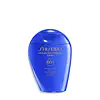
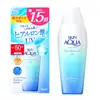
Shiseido Ultimate Sun Protector Lotion SPF 60+ Versus Skin Aqua Super Moisture UV Gel SPF 50+ PA++++
This chemical sunscreen covers most of the UV range, lighter on the deep UVA that drives aging, though its SPF isn't confirmed on file yet.
This chemical sunscreen covers the full UV range and blocks ~98% of UVB at SPF 50.

What's inside
What's inside
 Key Ingredients
Benefits
Concerns
Ingredients Side-by-side
Butyl Methoxydibenzoylmethane 2.3%
UV Absorber
Homosalate 10%
Skin Conditioning
Ethylhexyl Salicylate 5%
UV Absorber
Octocrylene 5%
UV Absorber

Water
Skin ConditioningDiisopropyl Sebacate
EmollientTalc
Abrasive
Triethylhexanoin
MaskingDimethicone
Emollient

PEG/PPG-9/2 Dimethyl Ether
Skin ConditioningAlcohol Denat.
Antimicrobial


Lauryl PEG-9 Polydimethylsiloxyethyl Dimethicone
Skin Conditioning
Glycerin
Humectant

Dextrin Palmitate
Emulsifying
Sucrose Tetrastearate Triacetate
Emollient
Isododecane
EmollientPPG-3 Dipivalate
Skin ConditioningTrimethylsiloxysilicate
Emollient
Silica
Abrasive

Disteardimonium Hectorite
StabilisingHydrogenated Polyisobutene
EmollientSodium Chloride
MaskingDipotassium Glycyrrhizate
Humectant

Aminoethanesulfinic Acid
Antioxidant
PEG/PPG-14/7 Dimethyl Ether
Skin ConditioningSaxifraga Sarmentosa Extract
Skin ConditioningCamellia Sinensis Leaf Extract
Antimicrobial

Eucheuma Serra/Grateloupia Sparsa/Saccharina Angustata/Ulva Linza/Undaria Pinnatifida Extract
EmollientSophora Angustifolia Root Extract
Skin ConditioningSaccharina Angustata/Undaria Pinnatifida Extract
EmollientPPG-17
Skin ConditioningPEG-9 Polydimethylsiloxyethyl Dimethicone
Emulsifying
Calcium Stearate
Cosmetic ColorantIsostearic Acid
Cleansing
Palmitic Acid
Emollient
Trisodium EDTA
Alcohol
Antimicrobial
Silica Dimethyl Silylate
EmollientPEG-6
HumectantBHT
Antioxidant
Tocopherol
Antioxidant

Butylene Glycol
Humectant
Stearic Acid
Cleansing
Sodium Metabisulfite
Antioxidant
Polyglyceryl-6 Polyricinoleate
Emulsifying
Bis-Butyldimethicone Polyglyceryl-3
Cleansing
Syzygium Jambos Leaf Extract
Skin ConditioningPhenoxyethanol
Preservative
Parfum
Masking

CI 17200
Cosmetic ColorantCI 19140
Cosmetic ColorantButyl Methoxydibenzoylmethane 2.3%, Homosalate 10%, Ethylhexyl Salicylate 5%, Octocrylene 5%, Water, Diisopropyl Sebacate, Talc, Triethylhexanoin, Dimethicone, PEG/PPG-9/2 Dimethyl Ether, Alcohol Denat., Lauryl PEG-9 Polydimethylsiloxyethyl Dimethicone, Glycerin, Dextrin Palmitate, Sucrose Tetrastearate Triacetate, Isododecane, PPG-3 Dipivalate, Trimethylsiloxysilicate, Silica, Disteardimonium Hectorite, Hydrogenated Polyisobutene, Sodium Chloride, Dipotassium Glycyrrhizate, Aminoethanesulfinic Acid, PEG/PPG-14/7 Dimethyl Ether, Saxifraga Sarmentosa Extract, Camellia Sinensis Leaf Extract, Eucheuma Serra/Grateloupia Sparsa/Saccharina Angustata/Ulva Linza/Undaria Pinnatifida Extract, Sophora Angustifolia Root Extract, Saccharina Angustata/Undaria Pinnatifida Extract, PPG-17, PEG-9 Polydimethylsiloxyethyl Dimethicone, Calcium Stearate, Isostearic Acid, Palmitic Acid, Trisodium EDTA, Alcohol, Silica Dimethyl Silylate, PEG-6, BHT, Tocopherol, Butylene Glycol, Stearic Acid, Sodium Metabisulfite, Polyglyceryl-6 Polyricinoleate, Bis-Butyldimethicone Polyglyceryl-3, Syzygium Jambos Leaf Extract, Phenoxyethanol, Parfum, CI 17200, CI 19140
Water
Skin ConditioningEthylhexyl Methoxycinnamate
UV Absorber
Alcohol
Antimicrobial
Butylene Glycol
Humectant
Isononyl Isononanoate
EmollientSodium Hyaluronate
Humectant
Hydrolyzed Sodium Hyaluronate
Skin Conditioning
Hydroxypropyltrimonium Hyaluronate
Bis-Ethylhexyloxyphenol Methoxyphenyl Triazine
UV Absorber
Silica
Abrasive
Diethylamino Hydroxybenzoyl Hexyl Benzoate
UV Filter
Diethoxyethyl Succinate
SolventAcrylates/C10-30 Alkyl Acrylate Crosspolymer
Emulsion StabilisingPolyglyceryl-10 Pentaisostearate
Emollient
Ethylhexyl Triazone
UV Absorber
Triethanolamine
BufferingBis-PEG-18 Methyl Ether Dimethyl Silane
EmollientDisodium EDTA
Xanthan Gum
EmulsifyingPhenoxyethanol
Preservative
Water, Ethylhexyl Methoxycinnamate, Alcohol, Butylene Glycol, Isononyl Isononanoate, Sodium Hyaluronate, Hydrolyzed Sodium Hyaluronate, Hydroxypropyltrimonium Hyaluronate, Bis-Ethylhexyloxyphenol Methoxyphenyl Triazine, Silica, Diethylamino Hydroxybenzoyl Hexyl Benzoate, Diethoxyethyl Succinate, Acrylates/C10-30 Alkyl Acrylate Crosspolymer, Polyglyceryl-10 Pentaisostearate, Ethylhexyl Triazone, Triethanolamine, Bis-PEG-18 Methyl Ether Dimethyl Silane, Disodium EDTA, Xanthan Gum, Phenoxyethanol
Reviews
Ingredients Explained
These ingredients are found in both products.
Ingredients higher up in an ingredient list are typically present in a larger amount.
This ingredient is also called ethanol or ethyl alcohol. It is denatured, meaning made undrinkable for cosmetic use.
In formulas, it:
Is it bad for your skin?
The answer comes down to concentration. Patch and wash studies have found highly concentrated alcohol-based hand rubs (60-100%) cause less barrier disruption than washing with a basic detergent like SLS. The only measurable effect in these studies was a temporary dip in skin hydration.
Concentrations below 12-15% in leave-on cosmetics is generally well-tolerated. Concentrations above start to see increased transepidermal water loss (TEWL) and reduced hydration.
In concentrations about 58%, it creates temporary channels in your skin's lipid layers to become more permeable and allow other ingredients to slip through easily.
This ingredient can be up to 80% of the formula in alcohol-based perfumes.
Overall, this ingredient is probably harmless if found lower down an ingredients list but worth side-eyeing if it's high up (especially if your barrier is already struggling).
Alcohol can worsen dry skin, eczema, and oily skin, especially at higher concentrations. This is because it can increase transepidermal water loss and decrease hydration to disrupt the skin barrier.
According to the National Rosacea Society based in the US, you should be mindful of products with these alcohols in the top half of ingredients.
True allergic contact dermatitis to ethanol is uncommon, but be sure to patch test if you have dry or sensitive skin.
Learn more about AlcoholButylene Glycol (or BG) is used within cosmetic products for a few different reasons:
Overall, Butylene Glycol is a safe and well-rounded ingredient that works well with other ingredients.
Though this ingredient works well with most skin types, some people with sensitive skin may experience a reaction such as allergic rashes, closed comedones, or itchiness.
Learn more about Butylene GlycolPhenoxyethanol is one of the most widely used preservatives in skincare (and for good reason!).
It has a large spectrum of antimicrobial activity and especially effective bacteria, yeast, and mold while only having a weak effect on your skin's natural microbiome.
On a cellular level, it disrupts the cell membranes of microbes by poking holes that make the cell leak. This shuts down the chemical reactions the microbe needs to make energy so it can no longer survive.
Another perk of this ingredient is that it stays functional across a wide pH range (3-10).
You'll often see it paired with boosters like Ethylhexylglycerin; one study showed that a 1:9 ratio of Ethylhexylglycerin to Phenoxyethanol damages bacterial membranes as effectively as doubling the Phenoxyethanol concentration on its own.
Typical use concentrations range from 0.3-1% depending on the formula, and this ingredient is capped at 1% int the EU.
Safety-wise, the fear mongering does not hold up to the evidence. The EU's Scientific Committee on Consumer Safety and FDA consider it safe as a preservative at up to 1%, including for children of all ages.
Adverse systemic effects only showed up in animal studies at exposures roughly 200x higher than what people get from cosmetics. And despite its very widespread use, this ingredient is a rare sensitizer and allergic reactions are uncommon.
Learn more about PhenoxyethanolSilica, also known as silicon dioxide, is a naturally occurring mineral. It is used as a fine, spherical, and porous powder in cosmetics.
Though it has exfoliant properties, the function of silica varies depending on the product.
The unique structure of silica enhances the spreadability and adds smoothness, making it a great texture enhancer.
It is also used as an active carrier, emulsifier, and mattifier due to its ability to absorb excess oil.
In some products, tiny microneedles called spicules are made from silica or hydrolyzed sponge. When you rub them in, they lightly polish away dead skin layers and enhance the penetration of active ingredients.
Learn more about SilicaWater. It's the most common cosmetic ingredient of all. You'll usually see it at the top of ingredient lists, meaning that it makes up the largest part of the product.
So why is it so popular? Water most often acts as a solvent - this means that it helps dissolve other ingredients into the formulation.
You'll also recognize water as that liquid we all need to stay alive. If you see this, drink a glass of water. Remember to stay hydrated!
Learn more about Water

