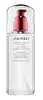
This hydrating toner is formulated around Tremella Fuciformis Polysaccharide and Sodium Acetylated Hyaluronate to hydrate skin.
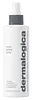
This hydrating toner is formulated around Aloe Barbadensis Leaf Extract and Arginine to hydrate skin and calm redness.


What's inside
What's inside
 Key Ingredients
Benefits
Concerns
Ingredients Side-by-side
Water
Skin ConditioningDipropylene Glycol
HumectantGlycerin
Humectant


Diglycerin
Humectant
PEG-6
HumectantButylene Glycol
Humectant
Betaine
Humectant
PEG/PPG-17/4 Dimethyl Ether
Skin ConditioningPEG-60 Hydrogenated Castor Oil
Emulsifying


Phenoxyethanol
Preservative
Polyglyceryl-2 Diisostearate
Emulsifying
Isodecyl Neopentanoate
EmollientMethylparaben
Preservative


Disodium EDTA
ChelatingSodium Citrate
BufferingParfum
Masking


Alcohol
Antimicrobial

Erythritol
Humectant
PEG/PPG-14/7 Dimethyl Ether
Skin ConditioningTremella Fuciformis Polysaccharide
Emulsion Stabilising
Potassium Cocoyl Glutamate
Surfactant
Citric Acid
Buffering

Linalool
Perfuming
Sapindus Mukorossi Peel Extract
Skin ConditioningSodium Metabisulfite
Antioxidant
Citronellol
Perfuming
Geraniol
Perfuming
Magnesium Chloride
Oenothera Biennis Oil
Emollient
Calcium Chloride
AstringentSerine
Masking
Hamamelis Virginiana Leaf Extract
Skin Conditioning
Tocopherol
Antioxidant


Zingiber Aromaticus Extract
Skin ConditioningSodium Acetylated Hyaluronate
Humectant
Citrus Junos Seed Extract
Antioxidant
Water, Dipropylene Glycol, Glycerin, Diglycerin, PEG-6, Butylene Glycol, Betaine, PEG/PPG-17/4 Dimethyl Ether, PEG-60 Hydrogenated Castor Oil, Phenoxyethanol, Polyglyceryl-2 Diisostearate, Isodecyl Neopentanoate, Methylparaben, Disodium EDTA, Sodium Citrate, Parfum, Alcohol, Erythritol, PEG/PPG-14/7 Dimethyl Ether, Tremella Fuciformis Polysaccharide, Potassium Cocoyl Glutamate, Citric Acid, Linalool, Sapindus Mukorossi Peel Extract, Sodium Metabisulfite, Citronellol, Geraniol, Magnesium Chloride, Oenothera Biennis Oil, Calcium Chloride, Serine, Hamamelis Virginiana Leaf Extract, Tocopherol, Zingiber Aromaticus Extract, Sodium Acetylated Hyaluronate, Citrus Junos Seed Extract
Water
Skin ConditioningButylene Glycol
Humectant
Aloe Barbadensis Leaf Extract
Emollient
Arginine
Masking
Lavandula Angustifolia Flower/Leaf/Stem Extract
Masking
Melissa Officinalis Leaf Extract
Skin ConditioningCitrus Limon Peel Oil
Masking
Citrus Aurantium Bergamia Fruit Oil
Masking
Cymbopogon Nardus Oil
Masking
Glycine
Buffering
Alanine
Masking
Serine
Masking
Lavandula Angustifolia Oil
Masking
Dipotassium Glycyrrhizate
Humectant
Cucumis Sativus Fruit Extract
Emollient
Arnica Montana Flower Extract
Masking
Hedera Helix Extract
AntimicrobialMalva Sylvestris Flower Extract
Skin ConditioningParietaria Officinalis Extract
EmollientSambucus Nigra Flower Extract
RefreshingTocopherol
Antioxidant
Phenylalanine
Masking
Histidine
Humectant
Valine
MaskingIsoleucine
Skin ConditioningProline
Skin Conditioning
Threonine
Sodium PCA
Humectant
Sodium Lactate
Buffering
Citric Acid
Buffering
Polyquaternium-4
Aspartic Acid
Masking
PCA
Humectant
Ethylhexylglycerin
Skin ConditioningMethyl Gluceth-20
Humectant
Polysorbate 20
Emulsifying
1,2-Hexanediol
Skin Conditioning
Caprylyl Glycol
Emollient
PEG-12 Dimethicone
Skin Conditioning
Ricinoleth-40
CleansingSodium Citrate
BufferingSodium Hydroxide
BufferingTetrasodium Glutamate Diacetate
ChelatingLinalool
Perfuming
Limonene
Perfuming
Citral
Perfuming
Geraniol
Perfuming
Phenoxyethanol
Preservative
Water, Butylene Glycol, Aloe Barbadensis Leaf Extract, Arginine, Lavandula Angustifolia Flower/Leaf/Stem Extract, Melissa Officinalis Leaf Extract, Citrus Limon Peel Oil, Citrus Aurantium Bergamia Fruit Oil, Cymbopogon Nardus Oil, Glycine, Alanine, Serine, Lavandula Angustifolia Oil, Dipotassium Glycyrrhizate, Cucumis Sativus Fruit Extract, Arnica Montana Flower Extract, Hedera Helix Extract, Malva Sylvestris Flower Extract, Parietaria Officinalis Extract, Sambucus Nigra Flower Extract, Tocopherol, Phenylalanine, Histidine, Valine, Isoleucine, Proline, Threonine, Sodium PCA, Sodium Lactate, Citric Acid, Polyquaternium-4, Aspartic Acid, PCA, Ethylhexylglycerin, Methyl Gluceth-20, Polysorbate 20, 1,2-Hexanediol, Caprylyl Glycol, PEG-12 Dimethicone, Ricinoleth-40, Sodium Citrate, Sodium Hydroxide, Tetrasodium Glutamate Diacetate, Linalool, Limonene, Citral, Geraniol, Phenoxyethanol
Reviews
Ingredients Explained
These ingredients are found in both products.
Ingredients higher up in an ingredient list are typically present in a larger amount.
Butylene Glycol (or BG) is used within cosmetic products for a few different reasons:
Overall, Butylene Glycol is a safe and well-rounded ingredient that works well with other ingredients.
Though this ingredient works well with most skin types, some people with sensitive skin may experience a reaction such as allergic rashes, closed comedones, or itchiness.
Learn more about Butylene GlycolCitric Acid is an alpha hydroxy acid (AHA) naturally found in citrus fruits like oranges, lemons, and limes.
Like other AHAs, citric acid can exfoliate skin by breaking down the bonds that hold dead skin cells together. This helps reveal smoother and brighter skin underneath.
However, this exfoliating effect only happens at high concentrations (20%) which can be hard to find in cosmetic products.
Due to this, citric acid is usually included in small amounts as a pH adjuster. This helps keep products slightly more acidic and compatible with skin's natural pH.
In skincare formulas, citric acid can:
While it can provide some skin benefits, research shows lactic acid and glycolic acid are generally more effective and less irritating exfoliants.
Most citric acid used in skincare today is made by fermenting sugars (usually from molasses). This synthetic version is identical to the natural citrus form but easier to stabilize and use in formulations.
Rosacea skin has a lower threshold for acids generally, with 62.5% of rosacea subjects in one study reacting to lactic acid in a sting test. This is why we mark citric acid as a potential rosacea trigger.
However, this ingredient shows up as a pH adjuster or chelator at roughly 0.1-1% in many products. These low levels are unlikely to be an issue for rosacea skin and becomes a potential trigger at exfoliating concentrations (20%). Because everybody's skin is unique, we recommend a patch test if you are unsure.
Learn more about Citric AcidGeraniol is used to add fragrance/parfum to a product. It is the main component of citronellol. It is a monoterpenoid and an alcohol.
Monoterpenes are naturally found in many parts of different plants.
Geraniol can be found in many essential oils including Rose Oil and Citronella Oil. The scent of Geraniol is often described as "rose-like". Many foods also contain Geraniol for fruit flavoring.
Geraniol can irritate the skin when exposed to air. However, irritation depends on the ability of geraniol to penetrate into the skin. In general, geraniol is not able to penetrate skin easily.
Geraniol is colorless and has low water-solubility. However, it is soluble in common organic solvents.
Like citronellol, it is a natural insect repellent.
2,6-Octadien-1-ol, 3,7-dimethyl-, (2E)-
Learn more about GeraniolLinalool is a small, naturally occurring scent molecule found in plants like lavender, coriander, bergamot, and more.
It is one of the two most-used fragrance ingredients in cosmetics and added purely for smell. Since it's not used for a skin benefit, there's no "effective dose". Concentration depends on the fragrance load of the product.
The EU requires it to be named on the label above 0.001% in leave-on and 0.01% in rinse-off products.
Fresh linalool is a weak sensitizer but air exposure turns some of it into hydroperoxides, which are strong sensitizers. Those oxidation products are the actual allergy concern.
Patch-test clinics see positive reactions to linalool hydroperoxides in about 4% to 12% of dermatitis patients depending on country and test concentration.
Resassuringly, one analytical study found hydroperoxide levels in real fragranced products to be orders of magnitude below what induced sensitization in animal studies with no evidence of oxidation building up during normal storage.
The practical takeaway is that linalool is fine for most people but worth avoiding if you have a confirmed fragrance contact allergy or a badly compromised barrier.
Products stored a long time after opening are also the high-risk scenario since that is when oxidation happens.
The scent of linalool is described as floral, spicy tropical, and citrus-like.
Learn more about LinaloolPhenoxyethanol is one of the most widely used preservatives in skincare (and for good reason!).
It has a large spectrum of antimicrobial activity and especially effective bacteria, yeast, and mold while only having a weak effect on your skin's natural microbiome.
On a cellular level, it disrupts the cell membranes of microbes by poking holes that make the cell leak. This shuts down the chemical reactions the microbe needs to make energy so it can no longer survive.
Another perk of this ingredient is that it stays functional across a wide pH range (3-10).
You'll often see it paired with boosters like Ethylhexylglycerin; one study showed that a 1:9 ratio of Ethylhexylglycerin to Phenoxyethanol damages bacterial membranes as effectively as doubling the Phenoxyethanol concentration on its own.
Typical use concentrations range from 0.3-1% depending on the formula, and this ingredient is capped at 1% int the EU.
Safety-wise, the fear mongering does not hold up to the evidence. The EU's Scientific Committee on Consumer Safety and FDA consider it safe as a preservative at up to 1%, including for children of all ages.
Adverse systemic effects only showed up in animal studies at exposures roughly 200x higher than what people get from cosmetics. And despite its very widespread use, this ingredient is a rare sensitizer and allergic reactions are uncommon.
Learn more about PhenoxyethanolSerine is a non-essential amino acid (your body makes it on its own!). It is a major player in your skin's natural moisturizing factor (NMF), or the water-loving molecules in your outermost layer of skin (stratum corneum) that keeps everything hydrated and happy.
Serine is one of your NMF's most abundant components that works as a skin-identical humectant. Its hydroxyl group grabs onto water molecules to boost hydration without any heaviness or occlusion.
Research on a hydrogel with serine confirmed this serine got delivered to your stratum corneum and demonstrated enhanced skin moisturization.
Interestingly serine also helps your skin produce filaggrin, a protein that keeps your skin barrier strong and used to create collagen.
Learn more about SerineSodium Citrate is the sodium salts of citric acid. In skincare, it is used to alter pH levels and acts as a preservative.
Its main functions are to maintain the pH of a product and neutralize metal ions.
The acidity of our skin is maintained by our glands and skin biome; normal pH level of skin is slightly acidic (~4.75-5.5).
Being slightly acidic allows our skin to create an "acid mantle". This acid mantle is a thin barrier that protects our skin from bacteria and contaminants.
Learn more about Sodium CitrateTocopherol is a fat-soluble antioxidant known as Vitamin E.
You'll find this ingredient in the vast majority of skincare (for good reason). It works to neutralize free radicals, or unstable molecules generated by UV exposure, pollution, and other environmental stressors, before they can cause oxidative damage to your skin cells.
Topically applied tocopherol has been shown to protect against UV damage by ramping up the skin's own natural defense enzymes.
It also acts as a skin conditioning agent; some studies show that regular topical use can improve the skin's water-binding capacity over 2-4 weeks.
This ingredient is especially loved for being a team player. When combined with Vitamin C, the photoprotective effect of both ingredients roughly doubles and the combo also helps reduce UV-induced DNA damage.
This ingredient has some brightening potential but it's more of a prevention ingredient than spot-fader. Cell studies show it can slow down melanin production but it's worth noting that it's not the most powerful brightener out there.
In formulations, it also serves as a stabilizer that helps protect other oxidation-prone ingredients from degrading.
Concentrations usually range from 0.1-1% in most leave-on products.
Learn more about TocopherolWater. It's the most common cosmetic ingredient of all. You'll usually see it at the top of ingredient lists, meaning that it makes up the largest part of the product.
So why is it so popular? Water most often acts as a solvent - this means that it helps dissolve other ingredients into the formulation.
You'll also recognize water as that liquid we all need to stay alive. If you see this, drink a glass of water. Remember to stay hydrated!
Learn more about Water

