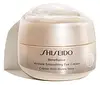
This anti-aging eye moisturizer is formulated around Squalane and Carnosine to soften the look of wrinkles and hydrate skin.
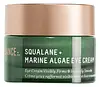
This anti-aging eye moisturizer is formulated around Squalane and Palmitoyl Tripeptide-5 to soften the look of wrinkles and hydrate skin.


What's inside
What's inside
 Key Ingredients
Benefits
Concerns
Ingredients Side-by-side
Water
Skin ConditioningHydrogenated Polydecene
EmollientGlycerin
Humectant


Paraffinum Liquidum
Emollient


Petrolatum
Emollient
Butylene Glycol
Humectant
Paraffin
Skin Conditioning
Polyglyceryl-2 Diisostearate
Emulsifying

Squalane
Emollient
Glyceryl Oleate
Emollient

Sodium PCA
Humectant
Glutamic Acid
Humectant
Dipropylene Glycol
HumectantCarnosine
Skin Conditioning
Beeswax
Emulsion Stabilising

Microcrystalline Wax
Emulsion StabilisingSodium Hydroxide
BufferingAlcohol
Antimicrobial

Polyethylene
Abrasive
Methylparaben
Preservative


Tocopheryl Acetate
Antioxidant


Ethylparaben
Preservative
Phytosteryl/Octyldodecyl Lauroyl Glutamate
Skin ConditioningParfum
Masking
Trisodium EDTA
ChelatingTocopherol
Antioxidant

Sodium Metabisulfite
Antioxidant
Caffeine
Skin Conditioning
CI 77492
Cosmetic ColorantPEG/PPG-14/7 Dimethyl Ether
Skin ConditioningPPG-3 Dipivalate
Skin ConditioningLinalool
Perfuming
Limonene
Perfuming
Sapindus Mukorossi Peel Extract
Skin ConditioningCitronellol
Perfuming
Uncaria Gambir Extract
AstringentGeraniol
Perfuming
Angelica Keiskei Leaf/Stem Extract
Skin ConditioningAlpha-Isomethyl Ionone
Perfuming
Sanguisorba Officinalis Root Extract
CleansingCrataegus Monogyna Flower Extract
Skin ConditioningCamellia Sinensis Leaf Extract
Antimicrobial

Sodium Acetylated Hyaluronate
Humectant
Hydroxyproline
Skin ConditioningCI 77491
Cosmetic ColorantCitrus Junos Seed Extract
Antioxidant
Cinnamomum Cassia Bark Extract
Masking
Ziziphus Jujuba Fruit Extract
Skin ConditioningChlorella Vulgaris Extract
Skin ConditioningEucheuma Serra/Grateloupia Sparsa/Saccharina Angustata/Ulva Linza/Undaria Pinnatifida Extract
EmollientCarbomer
Emulsion StabilisingSodium Lactate
Buffering
BHT
Antioxidant
Curcuma Longa Rhizome Extract
Skin ConditioningPolysorbate 20
Emulsifying
Saccharina Angustata/Undaria Pinnatifida Extract
EmollientPalmitoyl Tripeptide-1
Skin Conditioning

Palmitoyl Tetrapeptide-7
Skin Conditioning
Water, Hydrogenated Polydecene, Glycerin, Paraffinum Liquidum, Petrolatum, Butylene Glycol, Paraffin, Polyglyceryl-2 Diisostearate, Squalane, Glyceryl Oleate, Sodium PCA, Glutamic Acid, Dipropylene Glycol, Carnosine, Beeswax, Microcrystalline Wax, Sodium Hydroxide, Alcohol, Polyethylene, Methylparaben, Tocopheryl Acetate, Ethylparaben, Phytosteryl/Octyldodecyl Lauroyl Glutamate, Parfum, Trisodium EDTA, Tocopherol, Sodium Metabisulfite, Caffeine, CI 77492, PEG/PPG-14/7 Dimethyl Ether, PPG-3 Dipivalate, Linalool, Limonene, Sapindus Mukorossi Peel Extract, Citronellol, Uncaria Gambir Extract, Geraniol, Angelica Keiskei Leaf/Stem Extract, Alpha-Isomethyl Ionone, Sanguisorba Officinalis Root Extract, Crataegus Monogyna Flower Extract, Camellia Sinensis Leaf Extract, Sodium Acetylated Hyaluronate, Hydroxyproline, CI 77491, Citrus Junos Seed Extract, Cinnamomum Cassia Bark Extract, Ziziphus Jujuba Fruit Extract, Chlorella Vulgaris Extract, Eucheuma Serra/Grateloupia Sparsa/Saccharina Angustata/Ulva Linza/Undaria Pinnatifida Extract, Carbomer, Sodium Lactate, BHT, Curcuma Longa Rhizome Extract, Polysorbate 20, Saccharina Angustata/Undaria Pinnatifida Extract, Palmitoyl Tripeptide-1, Palmitoyl Tetrapeptide-7
Water
Skin ConditioningCaprylic/Capric Triglyceride
Masking
Squalane
Emollient
Glycerin
Humectant
Sorbitan Olivate
Emulsifying
Cetearyl Olivate
Jojoba Esters
Emollient
Glyceryl Stearate Se
Emulsifying
Panthenol
Skin Conditioning
Hydroxyethyl Acrylate/Sodium Acryloyldimethyl Taurate Copolymer
Emulsion StabilisingCetyl Palmitate
Emollient
Spilanthes Acmella Flower Extract
Skin ConditioningPalmitoyl Tripeptide-5
Skin Conditioning
Sorbitan Palmitate
Emulsifying
Dunaliella Salina Extract
Skin ConditioningAstaxanthin
Skin Conditioning
Sodium Hyaluronate
Humectant
Phenoxyethanol
Preservative
Ethylhexylglycerin
Skin ConditioningTocopherol
Antioxidant
Citric Acid
Buffering
Water, Caprylic/Capric Triglyceride, Squalane, Glycerin, Sorbitan Olivate, Cetearyl Olivate, Jojoba Esters, Glyceryl Stearate Se, Panthenol, Hydroxyethyl Acrylate/Sodium Acryloyldimethyl Taurate Copolymer, Cetyl Palmitate, Spilanthes Acmella Flower Extract, Palmitoyl Tripeptide-5, Sorbitan Palmitate, Dunaliella Salina Extract, Astaxanthin, Sodium Hyaluronate, Phenoxyethanol, Ethylhexylglycerin, Tocopherol, Citric Acid
Reviews
Ingredients Explained
These ingredients are found in both products.
Ingredients higher up in an ingredient list are typically present in a larger amount.
Glycerin (or glycerol) is a compound naturally found in your skin. It's a powerhouse humectant that pulls water into the stratum corneum.
Topically, glycerin does several things at once:
Your skin makes glycerin on its own (mostly from sebaceous oil breakdown) and shuttles it to your outermost layer of skin, or your epidermis, via aquaporin-3.
Aquaporin-3 is a transporter that is essential for normal skin hydration, elasticity, and repair. Interestingly, mice lacking in AQP3 have dry and less elastic skin that can be fully corrected with glycerin.
This ingredient is non-irritating, plays well with almost every ingredient, and works across all skin types. Typical use is anywhere between 3-10% but can go up to 79% in some leave-on products.
Just know very high concentrations (>40%) can feel tacky in low humidity.
Glycerin is the name for this ingredient in American English. British English uses Glycerol/Glycerine.
Learn more about GlycerinSqualane is the hydrogenated and shelf-stable form of squalene (a lipid that naturally occurs in human sebum).
It is an emollient and skin conditioning agent that is able to integrate seamlessly into the skin's lipid barrier without clogging pores.
This is due to how structurally similar it is to what your skin already produces.
Though it is mostly an emollient that helps soften and hydrate skin, it also has some humectant and occlusive action. Humectants help the skin retain moisture while occlusives seal it in, making squalane a triple-threat moisturizer.
Research shows it has antioxidant capabilities that help protect against stressors like UV exposure, specifically UVA induced oxidative stress. This study also found that it supports collagen biosynthesis in human dermal fibroblasts.
No clinical study has reported significant adverse effects and irritation reactions are very rare from this ingredient (even at 100% concentration).
Overall, it's a fantastic ingredient for hydration and is suitable for all skin types.
This depends on the source. Squalane can be derived from both plants and animals. Most squalane used in skincare comes from plants.
Please note: the source of squalane is only known if disclosed by the brand. We recommend reaching out to the brand if you have any questions about their squalane.
Read more about squalene with an "e".
Though squalane is often called an oil, it’s technically not one. It is a hydrocarbon, meaning it is only made of carbon and hydrogen. True oils are triglycerides and made of fatty acids and glycerol.
The term “oil-free” isn’t regulated so companies can define it however they want. Some exclude all oils, while others just avoid mineral oil or comedogenic oils.
Squalane has a comedogenic rating of 1 from the original 1972 study that tested raw ingredients under occlusion on rabbit ears. This system is not standardized or peer-reviewed, and using the raw ingredients is very different from how diluted cosmetic formulations are used on human skin.
A comedogenic rating of 1 means it is "unlikely to clog pores" according to the original rating system.
The overall formula of a product matters more than the individual ingredients on whether or not it will cause clogged pores.
Learn more about SqualaneTocopherol is a fat-soluble antioxidant known as Vitamin E.
You'll find this ingredient in the vast majority of skincare (for good reason). It works to neutralize free radicals, or unstable molecules generated by UV exposure, pollution, and other environmental stressors, before they can cause oxidative damage to your skin cells.
Topically applied tocopherol has been shown to protect against UV damage by ramping up the skin's own natural defense enzymes.
It also acts as a skin conditioning agent; some studies show that regular topical use can improve the skin's water-binding capacity over 2-4 weeks.
This ingredient is especially loved for being a team player. When combined with Vitamin C, the photoprotective effect of both ingredients roughly doubles and the combo also helps reduce UV-induced DNA damage.
This ingredient has some brightening potential but it's more of a prevention ingredient than spot-fader. Cell studies show it can slow down melanin production but it's worth noting that it's not the most powerful brightener out there.
In formulations, it also serves as a stabilizer that helps protect other oxidation-prone ingredients from degrading.
Concentrations usually range from 0.1-1% in most leave-on products.
Learn more about TocopherolWater. It's the most common cosmetic ingredient of all. You'll usually see it at the top of ingredient lists, meaning that it makes up the largest part of the product.
So why is it so popular? Water most often acts as a solvent - this means that it helps dissolve other ingredients into the formulation.
You'll also recognize water as that liquid we all need to stay alive. If you see this, drink a glass of water. Remember to stay hydrated!
Learn more about Water

