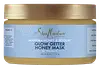
This wash off mask is formulated around Salicylic Acid to clear breakouts and unclog pores.
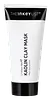
This wash off mask is made with Kaolin for a rinse-off oil-control boost.


What's inside
What's inside
 Key Ingredients
Benefits
Concerns
Ingredients Side-by-side
Water
Skin ConditioningHoney
Humectant
Glycerin
Humectant

Hydrogenated Vegetable Oil
Emollient




Ricinus Communis Seed Oil
Masking
Carthamus Tinctorius Seed Oil
Masking
Glyceryl Caprylate
EmollientXanthan Gum
EmulsifyingButyrospermum Parkii Butter
Skin Conditioning
Hydrogenated Ethylhexyl Olivate
EmollientAllantoin
Skin Conditioning

Salicylic Acid
Masking








Yogurt Powder
Hydrogenated Olive Oil Unsaponifiables
Emollient
Tetrahexyldecyl Ascorbate
Antioxidant

Inulin
Skin Conditioning
Mica
Cosmetic ColorantTitanium Dioxide
Cosmetic Colorant

Tin Oxide
Abrasive
Glyceryl Undecylenate
Emollient
Water, Honey, Glycerin, Hydrogenated Vegetable Oil, Ricinus Communis Seed Oil, Carthamus Tinctorius Seed Oil, Glyceryl Caprylate, Xanthan Gum, Butyrospermum Parkii Butter, Hydrogenated Ethylhexyl Olivate, Allantoin, Salicylic Acid, Yogurt Powder, Hydrogenated Olive Oil Unsaponifiables, Tetrahexyldecyl Ascorbate, Inulin, Mica, Titanium Dioxide, Tin Oxide, Glyceryl Undecylenate
Water
Skin ConditioningKaolin
Abrasive
Aloe Barbadensis Leaf Juice
Skin Conditioning
Glycerin
Humectant
Glyceryl Stearate
Emollient
Carthamus Tinctorius Seed Oil
Masking
Stearic Acid
Cleansing
Helianthus Annuus Seed Oil
Emollient
Cetearyl Alcohol
Emollient

Magnesium Aluminum Silicate
Absorbent
Sodium Stearate
CleansingSodium Magnesium Silicate
Phenoxyethanol
Preservative
Dimethyl Sulfone
SolventCentella Asiatica Extract
Cleansing
Glyceryl Caprylate
EmollientDecyl Glucoside
Cleansing
Cellulose Gum
Emulsion StabilisingCocos Nucifera Oil
Masking
Cetyl Alcohol
Emollient
Ethylhexylglycerin
Skin ConditioningSodium Carbomer
Emulsion StabilisingTocopherol
Antioxidant

Macrocystis Pyrifera Extract
Skin Conditioning
Sea Water Extract
Skin ConditioningChondrus Crispus Extract
Skin Conditioning
Vitis Vinifera Seed Oil
Emollient
Lonicera Caprifolium Flower Extract
Perfuming
Sodium Hydroxide
BufferingLonicera Japonica Leaf Extract
Skin ConditioningTocopheryl Acetate
Antioxidant
Panthenol
Skin Conditioning
Oryza Sativa Bran Oil
Emollient
Geranium Maculatum Extract
TonicTaraxacum Officinale Extract
Skin ConditioningEquisetum Arvense Extract
AstringentSpirulina Maxima Extract
SmoothingPrunus Armeniaca Kernel Oil
Masking
Water, Kaolin, Aloe Barbadensis Leaf Juice, Glycerin, Glyceryl Stearate, Carthamus Tinctorius Seed Oil, Stearic Acid, Helianthus Annuus Seed Oil, Cetearyl Alcohol, Magnesium Aluminum Silicate, Sodium Stearate, Sodium Magnesium Silicate, Phenoxyethanol, Dimethyl Sulfone, Centella Asiatica Extract, Glyceryl Caprylate, Decyl Glucoside, Cellulose Gum, Cocos Nucifera Oil, Cetyl Alcohol, Ethylhexylglycerin, Sodium Carbomer, Tocopherol, Macrocystis Pyrifera Extract, Sea Water Extract, Chondrus Crispus Extract, Vitis Vinifera Seed Oil, Lonicera Caprifolium Flower Extract, Sodium Hydroxide, Lonicera Japonica Leaf Extract, Tocopheryl Acetate, Panthenol, Oryza Sativa Bran Oil, Geranium Maculatum Extract, Taraxacum Officinale Extract, Equisetum Arvense Extract, Spirulina Maxima Extract, Prunus Armeniaca Kernel Oil
Reviews
Ingredients Explained
These ingredients are found in both products.
Ingredients higher up in an ingredient list are typically present in a larger amount.
Carthamus Tinctorius Seed Oil comes from the seeds of the safflower plant. It is a skin conditioning agent that helps soften skin and keep it hydrated.
This seed oil has an unusual fatty acid profile: it is one of the highest linoleic acid plant oils out there (~55-77%). It also has low amounts of oleic acid, and this high-linoleic/low-oleic ratio gets people excited.
Linoleic acid helps maintain skin barrier integrity and is a building block for the ceramides in your stratum corneum. Notably, people with acne tend to have lower linoleic acid in their skin lipids as well (and this gets worse as acne gets more severe).
Overall, it's a lightweight, fast-absorbing oil that has a long safety track record. Lab testing has found it to be non-irritating for skin or eyes.
The Malassezia yeast can metabolize the fatty acids in this oil to grow; therefore this ingredient may not be fungal acne safe.
Learn more about Carthamus Tinctorius Seed OilGlycerin (or glycerol) is a compound naturally found in your skin. It's a powerhouse humectant that pulls water into the stratum corneum.
Topically, glycerin does several things at once:
Your skin makes glycerin on its own (mostly from sebaceous oil breakdown) and shuttles it to your outermost layer of skin, or your epidermis, via aquaporin-3.
Aquaporin-3 is a transporter that is essential for normal skin hydration, elasticity, and repair. Interestingly, mice lacking in AQP3 have dry and less elastic skin that can be fully corrected with glycerin.
This ingredient is non-irritating, plays well with almost every ingredient, and works across all skin types. Typical use is anywhere between 3-10% but can go up to 79% in some leave-on products.
Just know very high concentrations (>40%) can feel tacky in low humidity.
Glycerin is the name for this ingredient in American English. British English uses Glycerol/Glycerine.
Learn more about GlycerinGlyceryl Caprylate comes from glycerin and caprylic acid. It is an emollient, co-emulsifier, and preservative booster.
Its short C8 fatty acid chain makes it behave differently from its longer-chain emollient cousins like Glyceryl Stearate. It feels more lightweight, fast-absorbing, and silky instead of rich and waxy.
As a co-emulsifier, its "head" and "tail" sit at the oil-water interface. But overall, the short C8 tail and not being water soluble means it doesn't really have the muscle to emulsify a formula on its own. That's why you'll often see it paired with a primary emulsifier like Cetearyl Glucoside.
Interestingly, Glyceryl Caprylate acts as a preservative booster. This is because its fatty-acid backbone disrupts microbial lipid membranes. It shows excellent activity against bacteria and yeast but is weaker against mold.
Typical concentrations range from 0.5-1% and this ingredient is generally non-irritating.
Because this ingredient has a C8 fatty acid chain, it is outside the range that the Malassezia yeast metabolizes (making it fungal acne safe).
Learn more about Glyceryl CaprylateWater. It's the most common cosmetic ingredient of all. You'll usually see it at the top of ingredient lists, meaning that it makes up the largest part of the product.
So why is it so popular? Water most often acts as a solvent - this means that it helps dissolve other ingredients into the formulation.
You'll also recognize water as that liquid we all need to stay alive. If you see this, drink a glass of water. Remember to stay hydrated!
Learn more about Water

