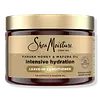
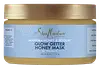
Shea Moisture Manuka Honey & Mafura Oil Intensive Hydration Masque Versus Shea Moisture Manuka Honey & Yogurt Glow Getter Honey Mask
This wash off mask is formulated around Salicylic Acid to clear breakouts and unclog pores.

What's inside
What's inside
 Key Ingredients
Benefits
Concerns
Ingredients Side-by-side
Water
Skin ConditioningCetearyl Alcohol
Emollient






Cocos Nucifera Oil
Masking


Glycerin
Humectant

Butyrospermum Parkii Butter
Skin Conditioning
Stearyl Alcohol
Emollient
Behentrimonium Methosulfate
SurfactantCetyl Alcohol
Emollient
Parfum
Masking

Behentrimonium Chloride
Preservative
Panthenol
Skin Conditioning

Mangifera Indica Seed Butter
Skin Conditioning
Trichilia Emetica Seed Butter
Emollient
Adansonia Digitata Seed Oil
Emollient
Hydrolyzed Rice Protein
Skin ConditioningHydrogenated Vegetable Oil
Emollient
Persea Gratissima Oil
Skin Conditioning
Tocopheryl Acetate
Antioxidant


Honey
Humectant
Cetrimonium Chloride
Antimicrobial
Ficus Carica Fruit/Leaf Extract
Skin ConditioningCaprylyl Glycol
Emollient
Caprylhydroxamic Acid
ChelatingWater, Cetearyl Alcohol, Cocos Nucifera Oil, Glycerin, Butyrospermum Parkii Butter, Stearyl Alcohol, Behentrimonium Methosulfate, Cetyl Alcohol, Parfum, Behentrimonium Chloride, Panthenol, Mangifera Indica Seed Butter, Trichilia Emetica Seed Butter, Adansonia Digitata Seed Oil, Hydrolyzed Rice Protein, Hydrogenated Vegetable Oil, Persea Gratissima Oil, Tocopheryl Acetate, Honey, Cetrimonium Chloride, Ficus Carica Fruit/Leaf Extract, Caprylyl Glycol, Caprylhydroxamic Acid
Water
Skin ConditioningHoney
Humectant
Glycerin
Humectant
Hydrogenated Vegetable Oil
Emollient
Ricinus Communis Seed Oil
Masking
Carthamus Tinctorius Seed Oil
Masking
Glyceryl Caprylate
EmollientXanthan Gum
EmulsifyingButyrospermum Parkii Butter
Skin Conditioning
Hydrogenated Ethylhexyl Olivate
EmollientAllantoin
Skin Conditioning
Salicylic Acid
Masking





Yogurt Powder
Hydrogenated Olive Oil Unsaponifiables
Emollient
Tetrahexyldecyl Ascorbate
Antioxidant
Inulin
Skin Conditioning
Mica
Cosmetic ColorantTitanium Dioxide
Cosmetic Colorant

Tin Oxide
Abrasive
Glyceryl Undecylenate
Emollient
Water, Honey, Glycerin, Hydrogenated Vegetable Oil, Ricinus Communis Seed Oil, Carthamus Tinctorius Seed Oil, Glyceryl Caprylate, Xanthan Gum, Butyrospermum Parkii Butter, Hydrogenated Ethylhexyl Olivate, Allantoin, Salicylic Acid, Yogurt Powder, Hydrogenated Olive Oil Unsaponifiables, Tetrahexyldecyl Ascorbate, Inulin, Mica, Titanium Dioxide, Tin Oxide, Glyceryl Undecylenate
Reviews
Ingredients Explained
These ingredients are found in both products.
Ingredients higher up in an ingredient list are typically present in a larger amount.
This ingredient is also known as shea butter. It is a plant-derived extract from the nuts of the Africa shea tree and one of the most well-studied emollients.
Because it has a high concentration of fatty acids (primarily oleic, stearic, and linoleic) it is able to form a protective barrier on the skin's surface. This helps seal in moisture and prevents transepidermal water loss (TEWL).
In vitro research found an increase in skin hydration by 58% and a decrease in TEWL by 37.8% after 24 hours of applying this ingredient (pretty impressive for a single ingredient!).
Besides hydration, shea butter also contains triterpenes that have anti-inflammatory potential. In particule, lupeol cinnamate has shown the highest anti-inflammatory activity in vivo.
Shea butter also contains vitamins A and E which may contribute to antioxidant activity.
While Shea Butter has an SPF rating of about 3-4, it is not a sunscreen replacement.
This ingredient may not be fungal acne safe because its fatty acids fall within the C11-C24 range that the Malassezia yeast can metabolize.
This ingredient shows up on a lot of "pore-clogging" lists but there's no real evidence behind that. It doesn't even have a comedogenic rating from an actual study; the numbers you'll find online come from blogs citing other blogs.
Ratings for other ingredients mostly come from a 1980s rabbit ear test. This test doesn't translate well to human skin or to real products because the ingredient sits at a much lower percentage.
Some people still find it breaks them out. So if that's you, definitely trust your skin. Just know this one's based on experience and not evidence.
Learn more about Butyrospermum Parkii ButterGlycerin (or glycerol) is a compound naturally found in your skin. It's a powerhouse humectant that pulls water into the stratum corneum.
Topically, glycerin does several things at once:
Your skin makes glycerin on its own (mostly from sebaceous oil breakdown) and shuttles it to your outermost layer of skin, or your epidermis, via aquaporin-3.
Aquaporin-3 is a transporter that is essential for normal skin hydration, elasticity, and repair. Interestingly, mice lacking in AQP3 have dry and less elastic skin that can be fully corrected with glycerin.
This ingredient is non-irritating, plays well with almost every ingredient, and works across all skin types. Typical use is anywhere between 3-10% but can go up to 79% in some leave-on products.
Just know very high concentrations (>40%) can feel tacky in low humidity.
Glycerin is the name for this ingredient in American English. British English uses Glycerol/Glycerine.
Learn more about GlycerinHoney mostly shows up in skincare as a humectant and skin conditioning agent. This is because its natural sugars (fructose and glucose) help hold onto water so skin feels softer and more hydrated.
Beyond hydration, honey also has antibacterial and wound-supporting properties. Its antibacterial action comes from a mix of things:
Manuka-type honey has an extra bacteria-killing compound called methylglyoxal, while all Honey contains a natural antibacterial protein called bee defensin-1.
Honey also nudges your immune cells to release signals that start the healing process. This is why medical-grade Honey is actually used in real wound dressings.
Just keep in mind that most of the strong clinical evidence is for wound care and not everyday cosmetic claims.
On concentrations and safety:
According to industry data, honey is used up to 22% in paste/mud packs, 7% as a honey extract in body/hand products, and face skincare levels sit well below that.
A human repeat insult patch test of 7% honey extract in 112 subjects showed no sensitization.
Allergy-wise, honey itself is a rare sensitizer. The bigger culprit is usually propolis that sometimes tags along in less-refined honey.
People allergic to propolis, conifer, poplar, salicylates, or Balsam of Peru are advised to avoid this ingredient due to shared allergens.
You might see this ingredient listed as either Honey or Mel (they're the same thing). Mel is simply the Latin word for honey.
A lot of people wonder if Honey is vegan, and technically it isn't.
Honey is made by bees; they gather nectar and their natural enzymes turn it into the Honey we know. So because it comes from an animal, it doesn't fit a vegan lifestyle.
And please remember to be kind to bees :). They're vital to so many ecosystems, and many species are struggling so they're worth protecting.
Learn more about HoneyHydrogenated Vegetable Oil isn't a single oil. It's the labeling name for a blend of plant-derived oils that can include canola, rapeseed, safflower, sunflower, sesame, palm, palm kernel, cotton, soybean, olive, and more.
Hydrogenation is the processing step that reduces or removes the unsaturated bonds in the fatty acids to make the oil more resistant to oxidative and thermal damage.
In cosmetics, it acts as a skin conditioner, occlusive, and emollient that give products a rich body.
Concentrations are reported from 0.0004% to 60% with leave-on products going as high as 60% and rinse-off products staying at 8% or below.
The Cosmetic Ingredient Review has concluded this ingredient to be safe as used in cosmetics.
This ingredient does have a comedogenic rating of 3, but this doesn't mean a formula with this ingredient will clog pores. Human testing has proved that any finished product with this ingredient won't automatically make you break out; it really comes down to concentration, formula, and your skin.
Since this ingredient is a triglyceride built mostly from C16 and C18 fatty acids, this ingredient may not be fungal acne safe as that falls into the range the Malassezia yeast can metabolize.
Allergy-wise, the proteins responsible for plant food allergies are taken out of the refined oil. This is why reactions to refined oils are rare even from highly allergenic sources like peanut. Well-designed studies have also shown refined peanut oil is safely tolerated by the vast majority of peanut-allergic people.
However, the issue is with unrefined oils; be sure to reach out to the manufacturer if you have a plant food allergy about the type of oil used in their products.
The other catch for this INCI name is that it doesn't tell you which plants are in the blend so you would need to ask the brand.
Learn more about Hydrogenated Vegetable OilWater. It's the most common cosmetic ingredient of all. You'll usually see it at the top of ingredient lists, meaning that it makes up the largest part of the product.
So why is it so popular? Water most often acts as a solvent - this means that it helps dissolve other ingredients into the formulation.
You'll also recognize water as that liquid we all need to stay alive. If you see this, drink a glass of water. Remember to stay hydrated!
Learn more about Water

