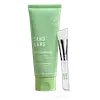
This wash off mask is formulated around Salicylic Acid to clear breakouts and unclog pores.
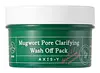
This wash off mask is made with Artemisia Princeps Extract and Kaolin for a rinse-off pore-care boost.


What's inside
What's inside
 Key Ingredients
Benefits
Concerns
Ingredients Side-by-side
Water
Skin ConditioningKaolin
Abrasive



Magnesium Aluminum Silicate
Absorbent
Glycerin
Humectant


Propanediol
Solvent
Butylene Glycol
Humectant
Fomes Officinalis Extract
Skin ProtectingMicrocrystalline Cellulose
AbsorbentSalicylic Acid
Masking







Phenoxyethanol
Preservative
Polyacrylate Crosspolymer-6
Emulsion StabilisingDecyl Glucoside
Cleansing
Niacinamide
Smoothing




Aloe Barbadensis Leaf Juice
Skin Conditioning
Sodium Hydroxide
BufferingCellulose Gum
Emulsion StabilisingCI 77288
Cosmetic ColorantMaltodextrin
Absorbent
Bixa Orellana Seed Extract
MaskingEthylhexylglycerin
Skin ConditioningTetrasodium Glutamate Diacetate
Citric Acid
Buffering
Inulin
Skin Conditioning
Zinc Oxide
Cosmetic Colorant

Tasmannia Lanceolata Fruit/Leaf Extract
Antioxidant
Centipeda Cunninghamii Extract
Skin ConditioningCitrus Australasica Fruit Extract
Antioxidant
Alpha-Glucan Oligosaccharide
Cleansing
Salix Alba Bark Extract
Astringent
PEG-40 Hydrogenated Castor Oil
Emulsifying

Hamamelis Virginiana Leaf Extract
Skin Conditioning
Sodium Benzoate
Masking
Potassium Sorbate
Preservative
Water, Kaolin, Magnesium Aluminum Silicate, Glycerin, Propanediol, Butylene Glycol, Fomes Officinalis Extract, Microcrystalline Cellulose, Salicylic Acid, Phenoxyethanol, Polyacrylate Crosspolymer-6, Decyl Glucoside, Niacinamide, Aloe Barbadensis Leaf Juice, Sodium Hydroxide, Cellulose Gum, CI 77288, Maltodextrin, Bixa Orellana Seed Extract, Ethylhexylglycerin, Tetrasodium Glutamate Diacetate, Citric Acid, Inulin, Zinc Oxide, Tasmannia Lanceolata Fruit/Leaf Extract, Centipeda Cunninghamii Extract, Citrus Australasica Fruit Extract, Alpha-Glucan Oligosaccharide, Salix Alba Bark Extract, PEG-40 Hydrogenated Castor Oil, Hamamelis Virginiana Leaf Extract, Sodium Benzoate, Potassium Sorbate
Artemisia Princeps Extract
Skin Conditioning
Kaolin
Abrasive
Dipropylene Glycol
HumectantBentonite
Absorbent
Betaine
Humectant
Phaseolus Angularis Seed Powder
Laminaria Japonica Extract
Skin Protecting
Eclipta Prostrata Leaf Extract
Skin ConditioningAvena Sativa Kernel Extract
Abrasive
Pteris Multifida Extract
Antioxidant
Cynara Scolymus Leaf Extract
Skin ConditioningGlycyrrhiza Uralensis Root Extract
Skin Conditioning
Vigna Radiata Seed Extract
Skin ConditioningHouttuynia Cordata Extract
Skin Conditioning
Cryptomeria Japonica Leaf Extract
HumectantNelumbo Nucifera Leaf Extract
Skin ConditioningHydrogenated Lecithin
Emulsifying
Sodium Hyaluronate
Humectant
1,2-Hexanediol
Skin Conditioning
Methylpropanediol
SolventXanthan Gum
EmulsifyingGlycerin
Humectant
Chromium Oxide Greens
Charcoal Powder
Abrasive
Water
Skin ConditioningBeta-Glucan
Skin Conditioning
Polyquaternium-51
Skin Conditioning
Fructooligosaccharides
Humectant
Allantoin
Skin Conditioning
Hydrolyzed Hyaluronic Acid
Humectant
Butylene Glycol
Humectant
Camellia Sinensis Leaf Powder
Saccharomyces Ferment Filtrate
Humectant
Hydroxyacetophenone
Antioxidant
Ethylhexylglycerin
Skin ConditioningRosmarinus Officinalis Leaf Oil
Masking
Artemisia Princeps Extract, Kaolin, Dipropylene Glycol, Bentonite, Betaine, Phaseolus Angularis Seed Powder, Laminaria Japonica Extract, Eclipta Prostrata Leaf Extract, Avena Sativa Kernel Extract, Pteris Multifida Extract, Cynara Scolymus Leaf Extract, Glycyrrhiza Uralensis Root Extract, Vigna Radiata Seed Extract, Houttuynia Cordata Extract, Cryptomeria Japonica Leaf Extract, Nelumbo Nucifera Leaf Extract, Hydrogenated Lecithin, Sodium Hyaluronate, 1,2-Hexanediol, Methylpropanediol, Xanthan Gum, Glycerin, Chromium Oxide Greens, Charcoal Powder, Water, Beta-Glucan, Polyquaternium-51, Fructooligosaccharides, Allantoin, Hydrolyzed Hyaluronic Acid, Butylene Glycol, Camellia Sinensis Leaf Powder, Saccharomyces Ferment Filtrate, Hydroxyacetophenone, Ethylhexylglycerin, Rosmarinus Officinalis Leaf Oil
Reviews
Ingredients Explained
These ingredients are found in both products.
Ingredients higher up in an ingredient list are typically present in a larger amount.
Butylene Glycol (or BG) is used within cosmetic products for a few different reasons:
Overall, Butylene Glycol is a safe and well-rounded ingredient that works well with other ingredients.
Though this ingredient works well with most skin types, some people with sensitive skin may experience a reaction such as allergic rashes, closed comedones, or itchiness.
Learn more about Butylene GlycolEthylhexylglycerin is created from glycerin. It is a multitasker ingredient that:
The CIR Expert Panel found minimal skin absorption or sensitization of any kind in a safety assessment. Though this ingredient is considered well-tolerated, a small number of cases of allergic dermatitis have been published since 2002. Just be sure to patch test if you are unsure.
Industry-reported use ranges from 8% in rinse-off products and 2% in leave-on formulations.
Learn more about EthylhexylglycerinGlycerin (or glycerol) is a compound naturally found in your skin. It's a powerhouse humectant that pulls water into the stratum corneum.
Topically, glycerin does several things at once:
Your skin makes glycerin on its own (mostly from sebaceous oil breakdown) and shuttles it to your outermost layer of skin, or your epidermis, via aquaporin-3.
Aquaporin-3 is a transporter that is essential for normal skin hydration, elasticity, and repair. Interestingly, mice lacking in AQP3 have dry and less elastic skin that can be fully corrected with glycerin.
This ingredient is non-irritating, plays well with almost every ingredient, and works across all skin types. Typical use is anywhere between 3-10% but can go up to 79% in some leave-on products.
Just know very high concentrations (>40%) can feel tacky in low humidity.
Glycerin is the name for this ingredient in American English. British English uses Glycerol/Glycerine.
Learn more about GlycerinKaolin is a clay. It is used for oil control and to help minimize pores. Like other clays, kaolin has the ability to absorb excess sebum or oil. This can help clean out pores and mattify the skin.
Some types of kaolin may have exfoliating properties. When water is added to kaolin, it becomes a paste with small abrasive particles.
Most kaolin is a white color, but may be pink/orange/red depending on where it comes from.
The name 'kaolin' comes from a Chinese village named 'Gaoling'. Kaolin clay comes from rocks rich in kaolinite. Kaolinite, the mineral, has a silicate layered structure. Kaolinite is formed from chemical weathering of aluminum siilicate minerals.
Besides skincare, kaolin is commonly used to make glossy paper, in ceramics, toothpaste, and as medicine to soothe stomach issues.
Learn more about KaolinWater. It's the most common cosmetic ingredient of all. You'll usually see it at the top of ingredient lists, meaning that it makes up the largest part of the product.
So why is it so popular? Water most often acts as a solvent - this means that it helps dissolve other ingredients into the formulation.
You'll also recognize water as that liquid we all need to stay alive. If you see this, drink a glass of water. Remember to stay hydrated!
Learn more about Water

