
What's inside
What's inside
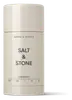 Key Ingredients
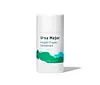
Benefits
Concerns
Ingredients Side-by-side
Caprylic/Capric Triglyceride
Masking


Tapioca Starch
Ozokerite
Emulsion StabilisingMagnesium Hydroxide
AbsorbentSodium Bicarbonate
Abrasive
Cocos Nucifera Oil
Masking






Parfum
Masking

Butyrospermum Parkii Butter
Skin Conditioning
Niacinamide
Smoothing










Helianthus Annuus Seed Oil
Emollient
Tocopherol
Antioxidant

Spirulina Platensis Extract
Skin ProtectingLactobacillus Ferment
Skin Conditioning
Maltodextrin
Absorbent
Benzyl Benzoate
Antimicrobial
Geraniol
Perfuming
Limonene
Perfuming
Caprylic/Capric Triglyceride, Tapioca Starch, Ozokerite, Magnesium Hydroxide, Sodium Bicarbonate, Cocos Nucifera Oil, Parfum, Butyrospermum Parkii Butter, Niacinamide, Helianthus Annuus Seed Oil, Tocopherol, Spirulina Platensis Extract, Lactobacillus Ferment, Maltodextrin, Benzyl Benzoate, Geraniol, Limonene
Water
Skin ConditioningPropanediol
Solvent
Sodium Stearate
CleansingTapioca Starch
Silica
Abrasive
Saccharomyces Ferment Filtrate
Humectant
Diatomaceous Earth
Abrasive
Glyceryl Caprylate
EmollientGlycerin
Humectant
Microcrystalline Cellulose
AbsorbentRosmarinus Officinalis Leaf Oil
Masking
Mentha Piperita Oil
Masking

Eucalyptus Globulus Leaf Oil
Perfuming
Butyrospermum Parkii Butter
Skin Conditioning
Glyceryl Undecylenate
Emollient
Tocopheryl Acetate
Antioxidant
Cellulose Gum
Emulsion StabilisingHumulus Lupulus Extract
AntimicrobialRoyal Jelly Extract
Skin Conditioning
Citrus Limon Peel Extract
EmollientAloe Barbadensis Leaf Juice
Skin Conditioning
Pelargonium Graveolens Flower Oil
Masking
Calendula Officinalis Flower Extract
Masking
Chamomilla Recutita Flower Extract
Masking
Leuconostoc/Radish Root Ferment Filtrate
Antimicrobial
Panax Quinquefolius Root Extract
AstringentPotassium Sorbate
Preservative
Sodium Benzoate
Masking
Limonene
Perfuming
Citronellol
Perfuming
Geraniol
Perfuming
Linalool
Perfuming
Water, Propanediol, Sodium Stearate, Tapioca Starch, Silica, Saccharomyces Ferment Filtrate, Diatomaceous Earth, Glyceryl Caprylate, Glycerin, Microcrystalline Cellulose, Rosmarinus Officinalis Leaf Oil, Mentha Piperita Oil, Eucalyptus Globulus Leaf Oil, Butyrospermum Parkii Butter, Glyceryl Undecylenate, Tocopheryl Acetate, Cellulose Gum, Humulus Lupulus Extract, Royal Jelly Extract, Citrus Limon Peel Extract, Aloe Barbadensis Leaf Juice, Pelargonium Graveolens Flower Oil, Calendula Officinalis Flower Extract, Chamomilla Recutita Flower Extract, Leuconostoc/Radish Root Ferment Filtrate, Panax Quinquefolius Root Extract, Potassium Sorbate, Sodium Benzoate, Limonene, Citronellol, Geraniol, Linalool
Reviews
Ingredients Explained
These ingredients are found in both products.
Ingredients higher up in an ingredient list are typically present in a larger amount.
This ingredient is also known as shea butter. It is a plant-derived extract from the nuts of the Africa shea tree and one of the most well-studied emollients.
Because it has a high concentration of fatty acids (primarily oleic, stearic, and linoleic) it is able to form a protective barrier on the skin's surface. This helps seal in moisture and prevents transepidermal water loss (TEWL).
In vitro research found an increase in skin hydration by 58% and a decrease in TEWL by 37.8% after 24 hours of applying this ingredient (pretty impressive for a single ingredient!).
Besides hydration, shea butter also contains triterpenes that have anti-inflammatory potential. In particule, lupeol cinnamate has shown the highest anti-inflammatory activity in vivo.
Shea butter also contains vitamins A and E which may contribute to antioxidant activity.
While Shea Butter has an SPF rating of about 3-4, it is not a sunscreen replacement.
This ingredient may not be fungal acne safe because its fatty acids fall within the C11-C24 range that the Malassezia yeast can metabolize.
This ingredient shows up on a lot of "pore-clogging" lists but there's no real evidence behind that. It doesn't even have a comedogenic rating from an actual study; the numbers you'll find online come from blogs citing other blogs.
Ratings for other ingredients mostly come from a 1980s rabbit ear test. This test doesn't translate well to human skin or to real products because the ingredient sits at a much lower percentage.
Some people still find it breaks them out. So if that's you, definitely trust your skin. Just know this one's based on experience and not evidence.
Learn more about Butyrospermum Parkii ButterGeraniol is used to add fragrance/parfum to a product. It is the main component of citronellol. It is a monoterpenoid and an alcohol.
Monoterpenes are naturally found in many parts of different plants.
Geraniol can be found in many essential oils including Rose Oil and Citronella Oil. The scent of Geraniol is often described as "rose-like". Many foods also contain Geraniol for fruit flavoring.
Geraniol can irritate the skin when exposed to air. However, irritation depends on the ability of geraniol to penetrate into the skin. In general, geraniol is not able to penetrate skin easily.
Geraniol is colorless and has low water-solubility. However, it is soluble in common organic solvents.
Like citronellol, it is a natural insect repellent.
2,6-Octadien-1-ol, 3,7-dimethyl-, (2E)-
Learn more about GeraniolLimonene is a fragrance that adds scent and taste to a formulation.
It's found in the peel oil of citrus fruits and other plants such as lavender and eucalyptus. The scent of limonene is generally described as "sweet citrus".
Limonene acts as an antioxidant, meaning it helps neutralize free radicals.
When exposed to air, oxidized limonene may sensitize the skin. Because of this, limonene is often avoided by people with sensitive skin.
The term 'fragrance' is not regulated in many countries. In many cases, it is up to the brand to define this term. For instance, many brands choose to label themselves as "fragrance-free" because they are not using synthetic fragrances. However, their products may still contain ingredients such as essential oils that are considered a fragrance.
Learn more about LimoneneTapioca starch is a thickening agent and is made from the cassava root, also known as yucca.
According to a manufacturer, it is an excellent talc replacement.
It is gluten-free.
Learn more about Tapioca Starch

