
What's inside
What's inside
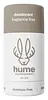 Key Ingredients
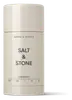
Benefits
Concerns
Ingredients Side-by-side
Propylene Glycol
Humectant


Water
Skin ConditioningSodium Stearate
CleansingPropanediol
Solvent
Diatomaceous Earth
Abrasive

Silica
Abrasive
Saccharomyces Ferment Filtrate
Humectant

Aloe Barbadensis Leaf Juice
Skin Conditioning
Opuntia Ficus-Indica Seed Oil
Emollient
Lactobacillus Ferment
Skin Conditioning
Cocos Nucifera Fruit Extract
Emollient
Cereus Grandiflorus Flower Extract
Skin ConditioningKaolin
Abrasive
Tapioca Starch
Glycerin
Humectant
Sorbitan Stearate
Emulsifying
Stearyl Alcohol
Emollient
Ethylhexylglycerin
Skin ConditioningCaprylyl/Capryl Glucoside
CleansingPolyglyceryl-10 Caprylate
EmulsifyingPolyglyceryl-5 Oleate
Emulsifying
Glyceryl Caprylate
EmollientSodium Cocoyl Glutamate
Cleansing
Citric Acid
Buffering

Propylene Glycol, Water, Sodium Stearate, Propanediol, Diatomaceous Earth, Silica, Saccharomyces Ferment Filtrate, Aloe Barbadensis Leaf Juice, Opuntia Ficus-Indica Seed Oil, Lactobacillus Ferment, Cocos Nucifera Fruit Extract, Cereus Grandiflorus Flower Extract, Kaolin, Tapioca Starch, Glycerin, Sorbitan Stearate, Stearyl Alcohol, Ethylhexylglycerin, Caprylyl/Capryl Glucoside, Polyglyceryl-10 Caprylate, Polyglyceryl-5 Oleate, Glyceryl Caprylate, Sodium Cocoyl Glutamate, Citric Acid
Caprylic/Capric Triglyceride
Masking
Tapioca Starch
Ozokerite
Emulsion StabilisingMagnesium Hydroxide
AbsorbentSodium Bicarbonate
Abrasive
Cocos Nucifera Oil
Masking


Parfum
Masking

Butyrospermum Parkii Butter
Skin Conditioning
Niacinamide
Smoothing



Helianthus Annuus Seed Oil
Emollient
Tocopherol
Antioxidant

Spirulina Platensis Extract
Skin ProtectingLactobacillus Ferment
Skin Conditioning
Maltodextrin
Absorbent
Benzyl Benzoate
Antimicrobial
Geraniol
Perfuming
Limonene
Perfuming
Caprylic/Capric Triglyceride, Tapioca Starch, Ozokerite, Magnesium Hydroxide, Sodium Bicarbonate, Cocos Nucifera Oil, Parfum, Butyrospermum Parkii Butter, Niacinamide, Helianthus Annuus Seed Oil, Tocopherol, Spirulina Platensis Extract, Lactobacillus Ferment, Maltodextrin, Benzyl Benzoate, Geraniol, Limonene
Reviews
Ingredients Explained
These ingredients are found in both products.
Ingredients higher up in an ingredient list are typically present in a larger amount.
This ingredient is made when the Lactobacillus bacteria (the same kind that makes yogurt and kimchi) are allowed to ferment a nutrient medium.
As it ferments, it collects lactic acid, peptides, enzymes, and other bioactive metabolites to provide:
A 2023 review noted that probiotic fermentation ingredients like this one can enhance antioxidant capacity, reduce UV-induced oxidative damage, and support barrier function.
One clinical study from the same year showed a Lactobacillus ferment lysate significantly reduced transepidermal water loss and improved skin hydration.
Another review highlighted that topical Lactobacillus-based preparations can improve ceramide levels in the stratum corneum, support barrier integrity, and even help reduce S. aureus colonization in atopic dermatitis.
Why is this so cool?
Basically, your skin's outer layer works as a brick wall; skin cells are bricks and ceramides are the mortar holding it together. Moisture escapes, irritants get in, and your skin gets dry and reactive when ceramide levels drop. On top of that, "bad" skin bacteria S. aureus loves to move in when your barrier is weak to make inflammation and irritation worse.
So Lactobacillus ferment is basically patching the wall and evicting the troublemaker when it boosts ceramide production and help keep S. aureus in check.
On top of all this, it also acts as a mild antimicrobial preservative booster.
Just so you know, most studies focus on specific strains or the lysate form rather than this generic "Lactobacillus Ferment", so results can vary.
Though it's a promising ingredient, it doesn't have decades of robust clinical data behind it just yet.
Lactobacillus Ferment is generally considered safe for fungal-acne prone skin. The key thing to understand is that it comes from bacteria, not yeast or fungus.
Yeast-derived ferments (like galactomyces) have been shown to activate a protein that's linked to Malassezia-related skin issues whereas lactobacillus doesn't have that problem.
Its byproducts also don't contain the types of fatty acids (C11-24 chain lengths) that Malassezia feeds on.
Learn more about Lactobacillus FermentTapioca starch is a thickening agent and is made from the cassava root, also known as yucca.
According to a manufacturer, it is an excellent talc replacement.
It is gluten-free.
Learn more about Tapioca Starch

