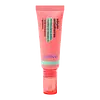
This brightening eye moisturizer is formulated around Tranexamic Acid and Caffeine to fade the look of dark spots and soften the look of wrinkles.
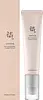
This anti-aging eye moisturizer is formulated around Panax Ginseng Root Extract and Niacinamide to soften the look of wrinkles and refine skin texture.


What's inside
What's inside
 Key Ingredients
Benefits
Concerns
Ingredients Side-by-side
Water
Skin ConditioningButylene Glycol
Humectant

Tranexamic Acid
Astringent




Phenoxyethanol
Preservative
Polyacrylate Crosspolymer-6
Emulsion StabilisingGlycerin
Humectant
Caffeine
Skin Conditioning
Titanium Dioxide
Cosmetic Colorant

Mica
Cosmetic ColorantCitric Acid
Buffering

Sodium Gluconate
ChelatingSteareth-20
CleansingEthylhexylglycerin
Skin ConditioningSiloxanetriol Alginate
Skin ConditioningBiosaccharide Gum-1
Humectant
T-Butyl Alcohol
Perfuming




Sodium Levulinate
Skin ConditioningGlutathione
Sodium Hydroxide
BufferingGlyceryl Caprylate
EmollientN-Hydroxysuccinimide
Skin ConditioningChlorhexidine Digluconate
Antimicrobial
Sodium Anisate
AntimicrobialSodium Citrate
BufferingPalmitoyl Tetrapeptide-7
Skin Conditioning

Chrysin
Skin ConditioningPalmitoyl Tripeptide-1
Skin Conditioning
Potassium Sorbate
Preservative
Biotin
AntiseborrhoeicWater, Butylene Glycol, Tranexamic Acid, Phenoxyethanol, Polyacrylate Crosspolymer-6, Glycerin, Caffeine, Titanium Dioxide, Mica, Citric Acid, Sodium Gluconate, Steareth-20, Ethylhexylglycerin, Siloxanetriol Alginate, Biosaccharide Gum-1, T-Butyl Alcohol, Sodium Levulinate, Glutathione, Sodium Hydroxide, Glyceryl Caprylate, N-Hydroxysuccinimide, Chlorhexidine Digluconate, Sodium Anisate, Sodium Citrate, Palmitoyl Tetrapeptide-7, Chrysin, Palmitoyl Tripeptide-1, Potassium Sorbate, Biotin
Water
Skin ConditioningPanax Ginseng Root Extract
Emollient
Glycerin
Humectant
Dipropylene Glycol
HumectantCaprylic/Capric Triglyceride
Masking
1,2-Hexanediol
Skin Conditioning
Pentaerythrityl Tetraethylhexanoate
Emollient
Niacinamide
Smoothing



Butylene Glycol Dicaprylate/Dicaprate
EmollientCetearyl Alcohol
Emollient



Sorbitan Olivate
Emulsifying
Cetearyl Olivate
Butylene Glycol
Humectant
Hydrogenated Lecithin
Emulsifying
Tromethamine
BufferingCarbomer
Emulsion StabilisingGlyceryl Stearate
Emollient
Macadamia Ternifolia Seed Oil
Emollient
Adenosine
Skin Conditioning
Theobroma Cacao Extract
Skin ConditioningDextrin
AbsorbentCholesterol
Emollient
Polyglyceryl-10 Oleate
Skin Conditioning
Retinal
Skin Conditioning

Brassica Campestris Sterols
EmollientPhytosteryl/Behenyl/Octyldodecyl Lauroyl Glutamate
Skin ConditioningSilica
Abrasive
Sodium Hyaluronate
Humectant
Tocopherol
Antioxidant

Aluminum/Magnesium Hydroxide Stearate
Emulsion StabilisingPotassium Cetyl Phosphate
EmulsifyingPentaerythrityl Tetra-Di-T-Butyl Hydroxyhydrocinnamate
Antioxidant
Ceramide NP
Skin Conditioning
Palmitoyl Tripeptide-5
Skin Conditioning
Disodium EDTA
ChelatingEthylhexylglycerin
Skin ConditioningWater, Panax Ginseng Root Extract, Glycerin, Dipropylene Glycol, Caprylic/Capric Triglyceride, 1,2-Hexanediol, Pentaerythrityl Tetraethylhexanoate, Niacinamide, Butylene Glycol Dicaprylate/Dicaprate, Cetearyl Alcohol, Sorbitan Olivate, Cetearyl Olivate, Butylene Glycol, Hydrogenated Lecithin, Tromethamine, Carbomer, Glyceryl Stearate, Macadamia Ternifolia Seed Oil, Adenosine, Theobroma Cacao Extract, Dextrin, Cholesterol, Polyglyceryl-10 Oleate, Retinal, Brassica Campestris Sterols, Phytosteryl/Behenyl/Octyldodecyl Lauroyl Glutamate, Silica, Sodium Hyaluronate, Tocopherol, Aluminum/Magnesium Hydroxide Stearate, Potassium Cetyl Phosphate, Pentaerythrityl Tetra-Di-T-Butyl Hydroxyhydrocinnamate, Ceramide NP, Palmitoyl Tripeptide-5, Disodium EDTA, Ethylhexylglycerin
Reviews
Ingredients Explained
These ingredients are found in both products.
Ingredients higher up in an ingredient list are typically present in a larger amount.
Butylene Glycol (or BG) is used within cosmetic products for a few different reasons:
Overall, Butylene Glycol is a safe and well-rounded ingredient that works well with other ingredients.
Though this ingredient works well with most skin types, some people with sensitive skin may experience a reaction such as allergic rashes, closed comedones, or itchiness.
Learn more about Butylene GlycolEthylhexylglycerin is created from glycerin. It is a multitasker ingredient that:
The CIR Expert Panel found minimal skin absorption or sensitization of any kind in a safety assessment. Though this ingredient is considered well-tolerated, a small number of cases of allergic dermatitis have been published since 2002. Just be sure to patch test if you are unsure.
Industry-reported use ranges from 8% in rinse-off products and 2% in leave-on formulations.
Learn more about EthylhexylglycerinGlycerin (or glycerol) is a compound naturally found in your skin. It's a powerhouse humectant that pulls water into the stratum corneum.
Topically, glycerin does several things at once:
Your skin makes glycerin on its own (mostly from sebaceous oil breakdown) and shuttles it to your outermost layer of skin, or your epidermis, via aquaporin-3.
Aquaporin-3 is a transporter that is essential for normal skin hydration, elasticity, and repair. Interestingly, mice lacking in AQP3 have dry and less elastic skin that can be fully corrected with glycerin.
This ingredient is non-irritating, plays well with almost every ingredient, and works across all skin types. Typical use is anywhere between 3-10% but can go up to 79% in some leave-on products.
Just know very high concentrations (>40%) can feel tacky in low humidity.
Glycerin is the name for this ingredient in American English. British English uses Glycerol/Glycerine.
Learn more about GlycerinWater. It's the most common cosmetic ingredient of all. You'll usually see it at the top of ingredient lists, meaning that it makes up the largest part of the product.
So why is it so popular? Water most often acts as a solvent - this means that it helps dissolve other ingredients into the formulation.
You'll also recognize water as that liquid we all need to stay alive. If you see this, drink a glass of water. Remember to stay hydrated!
Learn more about Water

