
What's inside
What's inside
 Key Ingredients
Benefits
Concerns
Ingredients Side-by-side
Citrus Aurantium Amara Flower Water
MaskingPropanediol
Solvent

Ceramide AP
Skin Conditioning



1,2-Hexanediol
Skin Conditioning
Methylpropanediol
SolventNiacinamide
Smoothing







Water
Skin ConditioningSodium Hyaluronate
Humectant
Sodium Hyaluronate Crosspolymer
Humectant
Glutathione
Hyaluronic Acid
Humectant
Capryloyl Salicylic Acid
Exfoliating
Hydrolyzed Hyaluronic Acid
Humectant
Aloe Barbadensis Leaf Extract
Emollient
Panthenol
Skin Conditioning
Carbomer
Emulsion StabilisingGlycerin
Humectant
Raspberry Ketone
Masking
Hydroxyethyl Urea
Humectant
Hydroxyethylcellulose
Emulsion StabilisingTromethamine
BufferingEthylhexylglycerin
Skin ConditioningAllantoin
Skin Conditioning
Hydrolyzed Glycosaminoglycans
HumectantButylene Glycol
Humectant
Benzyl Glycol
SolventBeta-Glucan
Skin Conditioning
Hydroxypropyl Cyclodextrin
MaskingDisodium EDTA
Alcohol
Antimicrobial




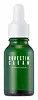
Citrus Aurantium Amara Flower Water, Propanediol, Ceramide AP, 1,2-Hexanediol, Methylpropanediol, Niacinamide, Water, Sodium Hyaluronate, Sodium Hyaluronate Crosspolymer, Glutathione, Hyaluronic Acid, Capryloyl Salicylic Acid, Hydrolyzed Hyaluronic Acid, Aloe Barbadensis Leaf Extract, Panthenol, Carbomer, Glycerin, Raspberry Ketone, Hydroxyethyl Urea, Hydroxyethylcellulose, Tromethamine, Ethylhexylglycerin, Allantoin, Hydrolyzed Glycosaminoglycans, Butylene Glycol, Benzyl Glycol, Beta-Glucan, Hydroxypropyl Cyclodextrin, Disodium EDTA, Alcohol
Water
Skin ConditioningButylene Glycol
Humectant
Glycerin
Humectant
Glycereth-26
Humectant
Propanediol
Solvent
Methyl Gluceth-10
EmulsifyingPentylene Glycol
Skin Conditioning
Triethylhexanoin
MaskingXylitol
Humectant
Beta Vulgaris Root Extract
Skin ConditioningChondrus Crispus Extract
Skin Conditioning
Hydrolyzed Jojoba Esters
Skin Conditioning
Theobroma Cacao Seed Extract
Antioxidant
Hippophae Rhamnoides Fruit Extract
Skin Conditioning
Glycine Soja Oil
Emollient


Retinol
Skin Conditioning
Ammonium Acryloyldimethyltaurate/Vp Copolymer
Choleth-24
EmulsifyingHydrogenated Lecithin
Emulsifying
Saccharum Officinarum Extract
MoisturisingXylitylglucoside
Humectant
Carbomer
Emulsion StabilisingAnhydroxylitol
Humectant
Tromethamine
BufferingXanthan Gum
EmulsifyingEthylhexylglycerin
Skin ConditioningGlucose
Humectant
Cyanocobalamin
Skin ConditioningDextrin
AbsorbentCeramide AP
Skin Conditioning
1,2-Hexanediol
Skin Conditioning
Methylpropanediol
SolventLavandula Angustifolia Oil
Masking

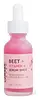
Water, Butylene Glycol, Glycerin, Glycereth-26, Propanediol, Methyl Gluceth-10, Pentylene Glycol, Triethylhexanoin, Xylitol, Beta Vulgaris Root Extract, Chondrus Crispus Extract, Hydrolyzed Jojoba Esters, Theobroma Cacao Seed Extract, Hippophae Rhamnoides Fruit Extract, Glycine Soja Oil, Retinol, Ammonium Acryloyldimethyltaurate/Vp Copolymer, Choleth-24, Hydrogenated Lecithin, Saccharum Officinarum Extract, Xylitylglucoside, Carbomer, Anhydroxylitol, Tromethamine, Xanthan Gum, Ethylhexylglycerin, Glucose, Cyanocobalamin, Dextrin, Ceramide AP, 1,2-Hexanediol, Methylpropanediol, Lavandula Angustifolia Oil
Reviews
Ingredients Explained
These ingredients are found in both products.
Ingredients higher up in an ingredient list are typically present in a larger amount.
1,2-Hexanediol is a synthetic liquid and another multi-functional powerhouse.
It is a:
- Humectant, drawing moisture into the skin
- Emollient, helping to soften skin
- Solvent, dispersing and stabilizing formulas
- Preservative booster, enhancing the antimicrobial activity of other preservatives
Butylene Glycol (or BG) is used within cosmetic products for a few different reasons:
Overall, Butylene Glycol is a safe and well-rounded ingredient that works well with other ingredients.
Though this ingredient works well with most skin types, some people with sensitive skin may experience a reaction such as allergic rashes, closed comedones, or itchiness.
Learn more about Butylene GlycolCarbomer is a high-molecular weight polymer of acrylic acid. It is used to form gels and thicken formulas.
Due to its large molecular size, carbomer has minimal skin penetration and is considered an inert ingredient.
A high amount of carbomer can cause pilling or balling up of products. Don't worry, most products contain 1% or less of carbomer.
Learn more about CarbomerCeramide AP is is a skin-identical lipid that mimics what your skin already makes naturally. Ceramides help maintain epidermal integrity and barrier function.
You'll often see this ingredient paired with other ceramides (like ceramide NP), cholesterol, or fatty acids because this combination best mimics the natural lipid mix your skin already has.
The skin's ability to produce ceramides gets disrupted in skin conditions like eczema. This in turn weakens the skin barrier and applying ceramides topically has been shown to replenish what's been lost to restore barrier function.
Most of the studies with Ceramide AP test it as part of a multi-ceramide complex; studies reinforce ceramide AP's role in rebalancing ceramides in skin and improving skin hydration.
Learn more about Ceramide APEthylhexylglycerin is created from glycerin. It is a multitasker ingredient that:
The CIR Expert Panel found minimal skin absorption or sensitization of any kind in a safety assessment. Though this ingredient is considered well-tolerated, a small number of cases of allergic dermatitis have been published since 2002. Just be sure to patch test if you are unsure.
Industry-reported use ranges from 8% in rinse-off products and 2% in leave-on formulations.
Learn more about EthylhexylglycerinGlycerin (or glycerol) is a compound naturally found in your skin. It's a powerhouse humectant that pulls water into the stratum corneum.
Topically, glycerin does several things at once:
Your skin makes glycerin on its own (mostly from sebaceous oil breakdown) and shuttles it to your outermost layer of skin, or your epidermis, via aquaporin-3.
Aquaporin-3 is a transporter that is essential for normal skin hydration, elasticity, and repair. Interestingly, mice lacking in AQP3 have dry and less elastic skin that can be fully corrected with glycerin.
This ingredient is non-irritating, plays well with almost every ingredient, and works across all skin types. Typical use is anywhere between 3-10% but can go up to 79% in some leave-on products.
Just know very high concentrations (>40%) can feel tacky in low humidity.
Glycerin is the name for this ingredient in American English. British English uses Glycerol/Glycerine.
Learn more about GlycerinMethylpropanediol is a synthetic solvent and humectant.
As a solvent, it helps dissolve other ingredients, helping to evenly distribute ingredients throughout the product. This ingredient has also been shown to have antimicrobial properties which makes it a preservative booster.
Methylpropanediol is able to add a bit of moisture to the skin. It also helps other ingredients be better absorbed into the skin, such as salicylic acid.
Learn more about MethylpropanediolPropanediol is an all-star ingredient. It softens, hydrates, and smooths the skin.
It’s often used to:
Propanediol is not likely to cause sensitivity and considered safe to use. It is derived from corn or petroleum with a clear color and no scent.
Learn more about PropanediolTromethamine helps balance the pH and improve the texture of a product. It is synthetically created.
As an emulsifier, Tromethamine prevents oil and water ingredients from separating. This helps stabilize the product and elongate a product's shelf life. Tromethamine also makes a product thicker.
Tromethamine helps balance the pH level of a product. Normal pH level of skin is slightly acidic (~4.75-5.5). The acidity of our skin is maintained by our glands and skin biome. Being slightly acidic allows our skin to create an "acid mantle". This acid mantle is a thin barrier that protects our skin from bacteria and contaminants.
Oral Tromethanmine is an anti-inflammatory drug but plays the role of masking, adding fragrance, and/or balancing pH in skincare.
1,3-Propanediol, 2-amino-2-(hydroxymethyl)-
Learn more about TromethamineWater. It's the most common cosmetic ingredient of all. You'll usually see it at the top of ingredient lists, meaning that it makes up the largest part of the product.
So why is it so popular? Water most often acts as a solvent - this means that it helps dissolve other ingredients into the formulation.
You'll also recognize water as that liquid we all need to stay alive. If you see this, drink a glass of water. Remember to stay hydrated!
Learn more about Water
