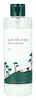
This calming moisturizer is formulated around Centella Asiatica Extract and Madecassoside to calm redness and strengthen the skin barrier.
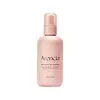
This barrier-repair moisturizer is formulated around Niacinamide and Palmitoyl Pentapeptide-4 to strengthen the skin barrier and soften the look of wrinkles.

What's inside
What's inside
 Key Ingredients
Benefits
Concerns
Ingredients Side-by-side
Water
Skin ConditioningPinus Densiflora Leaf Extract
Antimicrobial
Propanediol
Solvent

1,2-Hexanediol
Skin Conditioning
Glycerin
Humectant
Cetyl Ethylhexanoate
EmollientCentella Asiatica Extract
Cleansing



Hyaluronic Acid
Humectant
Hydrolyzed Hyaluronic Acid
Humectant
Sodium Hyaluronate
Humectant
Melia Azadirachta Leaf Extract
Skin ConditioningButylene Glycol
Humectant
Ethylhexylglycerin
Skin ConditioningGlycoproteins
Skin Conditioning
Melia Azadirachta Flower Extract
Skin ConditioningTheobroma Cacao Seed Extract
Antioxidant
Cetearyl Olivate


Glycereth-26
Humectant
Asiaticoside
Antioxidant
Asiatic Acid
Skin Conditioning
Madecassoside
Antioxidant
Madecassic Acid
Skin Conditioning
Capryloyl Salicylic Acid
Exfoliating




C12-20 Alkyl Glucoside
EmulsifyingAmmonium Polyacryloyldimethyl Taurate
Emulsion StabilisingHydrogenated Polydecene
EmollientDextrin
AbsorbentVinyldimethicone

Sorbitan Olivate
Emulsifying
Carbomer
Emulsion StabilisingC14-22 Alcohols
Emulsion Stabilising
Disodium EDTA
ChelatingTromethamine
BufferingWater, Pinus Densiflora Leaf Extract, Propanediol, 1,2-Hexanediol, Glycerin, Cetyl Ethylhexanoate, Centella Asiatica Extract, Hyaluronic Acid, Hydrolyzed Hyaluronic Acid, Sodium Hyaluronate, Melia Azadirachta Leaf Extract, Butylene Glycol, Ethylhexylglycerin, Glycoproteins, Melia Azadirachta Flower Extract, Theobroma Cacao Seed Extract, Cetearyl Olivate, Glycereth-26, Asiaticoside, Asiatic Acid, Madecassoside, Madecassic Acid, Capryloyl Salicylic Acid, C12-20 Alkyl Glucoside, Ammonium Polyacryloyldimethyl Taurate, Hydrogenated Polydecene, Dextrin, Vinyldimethicone, Sorbitan Olivate, Carbomer, C14-22 Alcohols, Disodium EDTA, Tromethamine
Water
Skin ConditioningGlycerin
Humectant
Niacinamide
Smoothing

Caprylic/Capric Triglyceride
Masking
1,2-Hexanediol
Skin Conditioning
Cetyl Ethylhexanoate
EmollientPropanediol
Solvent
C14-22 Alcohols
Emulsion Stabilising
Glyceryl Stearate
Emollient
Carbomer
Emulsion StabilisingC12-20 Alkyl Glucoside
EmulsifyingTromethamine
BufferingAdenosine
Skin Conditioning
Eclipta Prostrata Extract
Skin Conditioning
Butylene Glycol
Humectant
Betaine
Humectant
Melia Azadirachta Leaf Extract
Skin ConditioningAvena Sativa Kernel Extract
Abrasive
Moringa Oleifera Seed Oil
Emollient


Polyglyceryl-10 Laurate
Skin Conditioning
Hydrolyzed Collagen
Emollient
Hydrolyzed Extensin
Skin ConditioningBeta-Glucan
Skin Conditioning
Cornus Officinalis Fruit Extract
Skin ConditioningPrunus Serotina Fruit Extract
MaskingPunica Granatum Fruit Extract
Antioxidant
Rubus Idaeus Fruit Extract
AstringentVaccinium Macrocarpon Fruit Extract
AstringentEthylhexylglycerin
Skin ConditioningTripeptide-1
Skin Conditioning
Palmitoyl Pentapeptide-4
Skin Conditioning
Palmitoyl Tripeptide-1
Skin Conditioning
Acetyl Tetrapeptide-2
Skin Conditioning
Acetyl Tetrapeptide-5
Humectant
Copper Tripeptide-1
Skin Conditioning
Hexapeptide-11
Skin Conditioning
Hexapeptide-9
Skin Conditioning
Palmitoyl Tripeptide-5
Skin Conditioning
Water, Glycerin, Niacinamide, Caprylic/Capric Triglyceride, 1,2-Hexanediol, Cetyl Ethylhexanoate, Propanediol, C14-22 Alcohols, Glyceryl Stearate, Carbomer, C12-20 Alkyl Glucoside, Tromethamine, Adenosine, Eclipta Prostrata Extract, Butylene Glycol, Betaine, Melia Azadirachta Leaf Extract, Avena Sativa Kernel Extract, Moringa Oleifera Seed Oil, Polyglyceryl-10 Laurate, Hydrolyzed Collagen, Hydrolyzed Extensin, Beta-Glucan, Cornus Officinalis Fruit Extract, Prunus Serotina Fruit Extract, Punica Granatum Fruit Extract, Rubus Idaeus Fruit Extract, Vaccinium Macrocarpon Fruit Extract, Ethylhexylglycerin, Tripeptide-1, Palmitoyl Pentapeptide-4, Palmitoyl Tripeptide-1, Acetyl Tetrapeptide-2, Acetyl Tetrapeptide-5, Copper Tripeptide-1, Hexapeptide-11, Hexapeptide-9, Palmitoyl Tripeptide-5
Reviews
Ingredients Explained
These ingredients are found in both products.
Ingredients higher up in an ingredient list are typically present in a larger amount.
1,2-Hexanediol is a synthetic liquid and another multi-functional powerhouse.
It is a:
- Humectant, drawing moisture into the skin
- Emollient, helping to soften skin
- Solvent, dispersing and stabilizing formulas
- Preservative booster, enhancing the antimicrobial activity of other preservatives
Butylene Glycol (or BG) is used within cosmetic products for a few different reasons:
Overall, Butylene Glycol is a safe and well-rounded ingredient that works well with other ingredients.
Though this ingredient works well with most skin types, some people with sensitive skin may experience a reaction such as allergic rashes, closed comedones, or itchiness.
Learn more about Butylene GlycolWe don't have a description for C12-20 Alkyl Glucoside yet.
This ingredient is a blend of long-chain fatty alcohols (myristyl, cetyl, stearyl, arachidyl, and behenyl). It is an emulsion stabilizer with emollient properties.
Don't let the word "alcohol" scare you: fatty alcohols are nothing like the drying solvents. This ingredient actually helps soften and smooth the skin.
By the way, the FDA allows products to be labeled "alcohol-free" even when they contain fatty alcohols like this one.
In a formula, it prevents the water and oil phases from separating over time while also contributing to a pleasant, non-greasy slip.
Interestingly, this ingredient can organize into the structures that mimic the skin's own lipid architecture to help support barrier function and reduce transepidermal water loss (TEWL).
The CIR Expert Panel has thoroughly assess the individual fatty alcohols that make up this blend and found no significant toxicity or dermal irritation.
Learn more about C14-22 AlcoholsCarbomer is a synthetic thickening and gelling agent. It's basically the ingredient that gives a lot of serums, gels, creams, and sunscreens their smooth, non-sticky texture.
Although legally permitted at very high levels, carbomers are normally used at concentrations below 1%.
It also needs to be neutralized to actually thicken, and because it is a large molecule, it doesn't really penetrate the skin barrier.
Allergy-wise, the risk is very low. Clinical studies show carbomers have low potential for skin irritation/sensitization even at concentrations up to 100%.
A 2024 UK study patch-tested 1,302 patients and found true allergy to the parent group of carbomer to be rare with no confirmed relevant reactions.
Learn more about CarbomerCetyl Ethylhexanoate is an emollient ester. It comes from cetearyl alcohol and 2-ethylhexanoic acid.
Cetyl Ethylhexanoate is an emollient that adds a velvety feel to skin without being greasy or oily. Emollients help trap moisture into your skin, keeping your skin soft and hydrated.
Ethylhexylglycerin is created from glycerin. It is a multitasker ingredient that:
The CIR Expert Panel found minimal skin absorption or sensitization of any kind in a safety assessment. Though this ingredient is considered well-tolerated, a small number of cases of allergic dermatitis have been published since 2002. Just be sure to patch test if you are unsure.
Industry-reported use ranges from 8% in rinse-off products and 2% in leave-on formulations.
Learn more about EthylhexylglycerinGlycerin (or glycerol) is a compound naturally found in your skin. It's a powerhouse humectant that pulls water into the stratum corneum.
Topically, glycerin does several things at once:
Your skin makes glycerin on its own (mostly from sebaceous oil breakdown) and shuttles it to your outermost layer of skin, or your epidermis, via aquaporin-3.
Aquaporin-3 is a transporter that is essential for normal skin hydration, elasticity, and repair. Interestingly, mice lacking in AQP3 have dry and less elastic skin that can be fully corrected with glycerin.
This ingredient is non-irritating, plays well with almost every ingredient, and works across all skin types. Typical use is anywhere between 3-10% but can go up to 79% in some leave-on products.
Just know very high concentrations (>40%) can feel tacky in low humidity.
Glycerin is the name for this ingredient in American English. British English uses Glycerol/Glycerine.
Learn more about GlycerinThis ingredient is also known as neem leaf extract. It contains natural compounds like nimbidin, quercetin, and other polyphenols that give it antibacterial, antifungal, and anti-inflammatory activity.
Lab studies have shown neem leaf extract can inhibit acne-related bacteria and help calm skin. Animal studies on wound gels using 1-3% neem leaf extract found it sped up healing without causing irritation.
A wound-healing study testing gels with the extract at 1%, 2%, and 3% concentrations and found none of them irritated the skin.
Most commercial products also use it in a similar low range (typically under 5%).
Allergy-wise, there are some case reports on neem oil causing allergic contact dermatitis so people with plant/botanical sensitivities may want to patch test first.
Learn more about Melia Azadirachta Leaf ExtractPropanediol is an all-star ingredient. It softens, hydrates, and smooths the skin.
It’s often used to:
Propanediol is not likely to cause sensitivity and considered safe to use. It is derived from corn or petroleum with a clear color and no scent.
Learn more about PropanediolTromethamine (aka THAM) is a synthetic amino acid that shows up in skincare as a helper ingredient.
It functions as a pH adjuster to help neutralize acidic ingredients and set a formula's pH to the right spot.
This matters a lot because a lot of actives (like vitamin C) needs a specific pH to work well and feel comfortable on skin.
Concentration use ranges from 0.1-1.0% depending on the formula.
Learn more about TromethamineWater. It's the most common cosmetic ingredient of all. You'll usually see it at the top of ingredient lists, meaning that it makes up the largest part of the product.
So why is it so popular? Water most often acts as a solvent - this means that it helps dissolve other ingredients into the formulation.
You'll also recognize water as that liquid we all need to stay alive. If you see this, drink a glass of water. Remember to stay hydrated!
Learn more about Water

