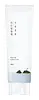
This smoothing exfoliator is formulated around Cellulose and Protease to refine skin texture and brighten dull-looking skin.
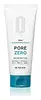
This salicylic acid foaming cleanser is formulated around Salicylic Acid to clear breakouts and unclog pores.

What's inside
What's inside
 Key Ingredients
Benefits
Concerns
Ingredients Side-by-side
Water
Skin ConditioningDipropylene Glycol
HumectantCellulose
Absorbent
Glycerin
Humectant


Butylene Glycol
Humectant
Sea Water
HumectantSodium Hyaluronate
Humectant


Hydrolyzed Hyaluronic Acid
Humectant
Hyaluronic Acid
Humectant
Hydroxypropyltrimonium Hyaluronate
Sodium Acetylated Hyaluronate
Humectant
Hydrolyzed Sodium Hyaluronate
Skin Conditioning
Sodium Hyaluronate Crosspolymer
Humectant
Potassium Hyaluronate
Skin ConditioningPanthenol
Skin Conditioning
Dipotassium Glycyrrhizate
Humectant
Allantoin
Skin Conditioning
Glycereth-25 PCA Isostearate
Emulsifying

Propanediol
Solvent
Caprylyl Glycol
Emollient
Protease
Exfoliating

Lactobionic Acid
Buffering



Acrylates/C10-30 Alkyl Acrylate Crosspolymer
Emulsion Stabilising1,2-Hexanediol
Skin Conditioning
Biosaccharide Gum-1
Humectant
Ethylhexylglycerin
Skin ConditioningHydroxyethylcellulose
Emulsion StabilisingTromethamine
BufferingAmmonium Polyacryloyldimethyl Taurate
Emulsion StabilisingGlycereth-26
Humectant
Disodium EDTA
ChelatingPentylene Glycol
Skin Conditioning
Hydroxyacetophenone
Antioxidant
Water, Dipropylene Glycol, Cellulose, Glycerin, Butylene Glycol, Sea Water, Sodium Hyaluronate, Hydrolyzed Hyaluronic Acid, Hyaluronic Acid, Hydroxypropyltrimonium Hyaluronate, Sodium Acetylated Hyaluronate, Hydrolyzed Sodium Hyaluronate, Sodium Hyaluronate Crosspolymer, Potassium Hyaluronate, Panthenol, Dipotassium Glycyrrhizate, Allantoin, Glycereth-25 PCA Isostearate, Propanediol, Caprylyl Glycol, Protease, Lactobionic Acid, Acrylates/C10-30 Alkyl Acrylate Crosspolymer, 1,2-Hexanediol, Biosaccharide Gum-1, Ethylhexylglycerin, Hydroxyethylcellulose, Tromethamine, Ammonium Polyacryloyldimethyl Taurate, Glycereth-26, Disodium EDTA, Pentylene Glycol, Hydroxyacetophenone
Water
Skin ConditioningMyristic Acid
Cleansing

Glycerin
Humectant
Butylene Glycol
Humectant
Glycol Distearate
Emollient
Potassium Hydroxide
BufferingTea-Lauryl Sulfate
Cleansing
Stearic Acid
Cleansing
Lauryl Betaine
CleansingGlyceryl Stearate
Emollient
PEG-100 Stearate
Surfactant
Lauric Acid
Cleansing
Beeswax
Emulsion Stabilising
Lauryl Glucoside
CleansingButyrospermum Parkii Butter
Skin Conditioning
Salix Alba Bark Water
Astringent
1,2-Hexanediol
Skin Conditioning
Ceteareth-60 Myristyl Glycol
EmulsifyingCaprylyl Glycol
Emollient
Polyquaternium-7
Pentylene Glycol
Skin Conditioning
Propanediol
Solvent
Salix Alba Bark Extract
Astringent
Salicylic Acid
Masking



Tromethamine
BufferingGlycolipids
Skin ConditioningHydroxyethylcellulose
Emulsion StabilisingMethylpropanediol
SolventPrunus Davidiana Extract
Antioxidant
Salvia Hispanica Seed Extract
Emollient
Vitis Vinifera Fruit Extract
Skin ConditioningPyrus Malus Fruit Extract
Skin Conditioning
Prunus Mume Fruit Extract
Humectant
Carica Papaya Fruit Extract
Skin ConditioningSilkworm Cocoon Extract
HumectantSodium Bisulfite
Antioxidant
Disodium EDTA
ChelatingSodium Benzoate
Masking
Parfum
Masking

Water, Myristic Acid, Glycerin, Butylene Glycol, Glycol Distearate, Potassium Hydroxide, Tea-Lauryl Sulfate, Stearic Acid, Lauryl Betaine, Glyceryl Stearate, PEG-100 Stearate, Lauric Acid, Beeswax, Lauryl Glucoside, Butyrospermum Parkii Butter, Salix Alba Bark Water, 1,2-Hexanediol, Ceteareth-60 Myristyl Glycol, Caprylyl Glycol, Polyquaternium-7, Pentylene Glycol, Propanediol, Salix Alba Bark Extract, Salicylic Acid, Tromethamine, Glycolipids, Hydroxyethylcellulose, Methylpropanediol, Prunus Davidiana Extract, Salvia Hispanica Seed Extract, Vitis Vinifera Fruit Extract, Pyrus Malus Fruit Extract, Prunus Mume Fruit Extract, Carica Papaya Fruit Extract, Silkworm Cocoon Extract, Sodium Bisulfite, Disodium EDTA, Sodium Benzoate, Parfum
Reviews
Ingredients Explained
These ingredients are found in both products.
Ingredients higher up in an ingredient list are typically present in a larger amount.
1,2-Hexanediol is a synthetic liquid and another multi-functional powerhouse.
It is a:
- Humectant, drawing moisture into the skin
- Emollient, helping to soften skin
- Solvent, dispersing and stabilizing formulas
- Preservative booster, enhancing the antimicrobial activity of other preservatives
Butylene Glycol (or BG) is used within cosmetic products for a few different reasons:
Overall, Butylene Glycol is a safe and well-rounded ingredient that works well with other ingredients.
Though this ingredient works well with most skin types, some people with sensitive skin may experience a reaction such as allergic rashes, closed comedones, or itchiness.
Learn more about Butylene GlycolCaprylyl Glycol is a humectant, skin conditioner, emollient, and preservative booster derived from either caprylic acid or synthetically created.
Typical use levels vary from 0.3-1% as a preservative booster and go up to 2% to condition skin.
Because it is not a free-fatty acid, this ingredient is fungal acne safe (there's nothing for Malassezia to feed on).
Learn more about Caprylyl GlycolDisodium EDTA is a chelating agent. It grabs onto and deactivates metal ions that sneak into your products from water, packaging, or air.
This ingredient mainly works behind the scenes and helps with:
On top of that, this ingredient can counteract the effects of hard water by binding to the minerals in it.
One thing worth knowing is that Disodium EDTA has been shown to be a mild penetration enhancer. It can help other ingredients absorb into skin more effectively which can be a double-edged sword (great for actives, but can also make the active too strong if you have sensitive skin).
Clinical patch testing showed no significant skin irritation at typical use concentrations and minimal dermal absorption.
You'll most likely see this ingredient near the end of an ingredient list. It's typically found in concentrations less than 1%.
Learn more about Disodium EDTAGlycerin (or glycerol) is a compound naturally found in your skin. It's a powerhouse humectant that pulls water into the stratum corneum.
Topically, glycerin does several things at once:
Your skin makes glycerin on its own (mostly from sebaceous oil breakdown) and shuttles it to your outermost layer of skin, or your epidermis, via aquaporin-3.
Aquaporin-3 is a transporter that is essential for normal skin hydration, elasticity, and repair. Interestingly, mice lacking in AQP3 have dry and less elastic skin that can be fully corrected with glycerin.
This ingredient is non-irritating, plays well with almost every ingredient, and works across all skin types. Typical use is anywhere between 3-10% but can go up to 79% in some leave-on products.
Just know very high concentrations (>40%) can feel tacky in low humidity.
Glycerin is the name for this ingredient in American English. British English uses Glycerol/Glycerine.
Learn more about GlycerinHydroxyethylcellulose is used to improve the texture of products. It is created from a chemical reaction involving ethylene oxide and alkali-cellulose. Cellulose is a sugar found in plant cell walls and help give plants structure.
This ingredient helps stabilize products by preventing ingredients from separating. It can also help thicken the texture of a product.
This ingredient can also be found in pill medicines to help our bodies digest other ingredients.
Learn more about HydroxyethylcellulosePentylene Glycol (1,2-pentanediol) is a multitasking little diol with three main roles in a formula:
Research on alkanediols (the family pentylene glycol belongs to) show they work by disrupting microbial cell membranes. This disruption helps the primary preservative system in a product work more effectively at lower doses.
On the safety side, the Cosmetic Ingredient Review Expert Panel has concluded this ingredient to be safe as used in current cosmetic practices + concentrations.
Typical use levels in a formula run about 1-5%.
Learn more about Pentylene GlycolPropanediol is an all-star ingredient. It softens, hydrates, and smooths the skin.
It’s often used to:
Propanediol is not likely to cause sensitivity and considered safe to use. It is derived from corn or petroleum with a clear color and no scent.
Learn more about PropanediolTromethamine (aka THAM) is a synthetic amino acid that shows up in skincare as a helper ingredient.
It functions as a pH adjuster to help neutralize acidic ingredients and set a formula's pH to the right spot.
This matters a lot because a lot of actives (like vitamin C) needs a specific pH to work well and feel comfortable on skin.
Concentration use ranges from 0.1-1.0% depending on the formula.
Learn more about TromethamineWater. It's the most common cosmetic ingredient of all. You'll usually see it at the top of ingredient lists, meaning that it makes up the largest part of the product.
So why is it so popular? Water most often acts as a solvent - this means that it helps dissolve other ingredients into the formulation.
You'll also recognize water as that liquid we all need to stay alive. If you see this, drink a glass of water. Remember to stay hydrated!
Learn more about Water

