Melano CC Premium Brightening Essence Versus Clinique Fresh Pressed™ Daily Booster with Pure Vitamin C 10%
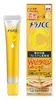
This brightening essence is formulated around Ascorbic Acid and Allantoin to brighten dull-looking skin and fade the look of dark spots.
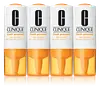
This anti-aging serum is formulated around Ascorbic Acid and Acetyl Glucosamine to soften the look of wrinkles and brighten dull-looking skin.


What's inside
What's inside
 Key Ingredients
Benefits
Concerns
Ingredients Side-by-side
Ascorbic Acid
Antioxidant






Pyridoxine Hcl
Skin ConditioningAllantoin
Skin Conditioning



O-Cymen-5-Ol
Antimicrobial
3-O-Ethyl Ascorbic Acid
Skin Conditioning
Ascorbyl Glucoside
Antioxidant
Ascorbyl Tetraisopalmitate
Antioxidant

Tocopherol
Antioxidant
Alpinia Katsumadai Seed Extract
Skin ConditioningCitrus Limon Fruit Extract
Masking
Citrus Grandis Fruit Extract
Astringent
Serine
Masking
Butylene Glycol
Humectant
Propanediol
Solvent
Isopentyldiol
Humectant
Propylene Glycol
Humectant
PEG-8
HumectantAlcohol Denat.
Antimicrobial

Poe/Pop Decyl Tetradecyl Ether
Sodium Metabisulfite
Antioxidant
EDTA
ChelatingParfum
Masking
Ascorbic Acid, Pyridoxine Hcl, Allantoin, O-Cymen-5-Ol, 3-O-Ethyl Ascorbic Acid, Ascorbyl Glucoside, Ascorbyl Tetraisopalmitate, Tocopherol, Alpinia Katsumadai Seed Extract, Citrus Limon Fruit Extract, Citrus Grandis Fruit Extract, Serine, Butylene Glycol, Propanediol, Isopentyldiol, Propylene Glycol, PEG-8, Alcohol Denat., Poe/Pop Decyl Tetradecyl Ether, Sodium Metabisulfite, EDTA, Parfum
Water
Skin ConditioningAscorbic Acid
Antioxidant
Glycerin
Humectant
Dimethicone
Emollient
Squalane
Emollient
Butylene Glycol
Humectant
Dipropylene Glycol
HumectantAcetyl Glucosamine
Skin Conditioning
Cucumis Sativus Fruit Extract
Emollient
Hordeum Vulgare Extract
EmollientMolasses Extract
Skin ConditioningLaminaria Digitata Extract
Skin Protecting
Acetyl Hexapeptide-8
Humectant
Algae Extract
Emollient
Palmitoyl Hexapeptide-12
Skin Conditioning
Palmitoyl Tripeptide-1
Skin Conditioning
Palmitoyl Tetrapeptide-7
Skin Conditioning
Alcaligenes Polysaccharides
EmollientCaffeine
Skin Conditioning
Sucrose
Humectant
Betaine
Humectant
Whey Protein
Skin ConditioningSalicylic Acid
Masking


Glycine Soja Protein
EmulsifyingSodium Hyaluronate
Humectant
Caprylyl Glycol
Emollient
Sigesbeckia Orientalis Extract
Skin ConditioningBis-PEG-18 Methyl Ether Dimethyl Silane
EmollientPropylene Glycol Dicaprate
EmollientHelianthus Annuus Seedcake
Abrasive
Allyl Methacrylates Crosspolymer
Emulsion StabilisingCarbomer
Emulsion StabilisingGlyceryl Polymethacrylate
Tromethamine
BufferingXanthan Gum
EmulsifyingPotassium Sorbate
Preservative
PEG-8
HumectantCalcium Chloride
AstringentPolysorbate 20
Emulsifying
Sodium Citrate
BufferingDisodium EDTA
ChelatingPhenoxyethanol
Preservative
Water, Ascorbic Acid, Glycerin, Dimethicone, Squalane, Butylene Glycol, Dipropylene Glycol, Acetyl Glucosamine, Cucumis Sativus Fruit Extract, Hordeum Vulgare Extract, Molasses Extract, Laminaria Digitata Extract, Acetyl Hexapeptide-8, Algae Extract, Palmitoyl Hexapeptide-12, Palmitoyl Tripeptide-1, Palmitoyl Tetrapeptide-7, Alcaligenes Polysaccharides, Caffeine, Sucrose, Betaine, Whey Protein, Salicylic Acid, Glycine Soja Protein, Sodium Hyaluronate, Caprylyl Glycol, Sigesbeckia Orientalis Extract, Bis-PEG-18 Methyl Ether Dimethyl Silane, Propylene Glycol Dicaprate, Helianthus Annuus Seedcake, Allyl Methacrylates Crosspolymer, Carbomer, Glyceryl Polymethacrylate, Tromethamine, Xanthan Gum, Potassium Sorbate, PEG-8, Calcium Chloride, Polysorbate 20, Sodium Citrate, Disodium EDTA, Phenoxyethanol
Reviews
Ingredients Explained
These ingredients are found in both products.
Ingredients higher up in an ingredient list are typically present in a larger amount.
Ascorbic Acid is is pure Vitamin C and is the biologically active form used directly by skin.
Not only is vitamin C great for your overall health and immune system, but it also has plenty of benefits for your skin. It is best supported by academic literature for:
Topical vitamin C has been shown to help neutralize oxidative stress from UV and pollution, helping to improve photoaging and hyperpigmentation when used consistently.
One clinical study found that using 5% topical vitamin C for six months improved signs of photodamaged skin, both on the surface and in the deeper structural layers of the skin.
While vitamin C doesn’t replace sunscreen, studies show it can boost photoprotection when combined with Vitamin E and ferulic acid. These two ingredients help improve stability and protective effects.
The big downside of this ingredient is formulation difficulty. Vitamin C is prone to oxidation and doesn't penetrate the skin unless formulated correctly. Research found that vitamin C absorbs into the skin best at a low pH (< 3.5) with about 20% being the upper limit for effective absorption.
Skin levels can saturate after repeated application; this means your skin won’t keep absorbing more once it’s full of vitamin C. This is why more isn’t always better with vitamin C and why very high concentrations don’t necessarily give extra benefits.
Ascorbic acid generally works well with many skincare ingredients but can be irritating when combined with other active ingredients. Strong oxidizing acne treatments like benzoyl peroxide can reduce the effectiveness of vitamin C if they are used at the same time; they are often recommended for use at different times of day.
Read more about other types of Vitamin C:
Foods rich with vitamin C include oranges, strawberries, broccoli, bell peppers, and more. When consuming Vitamin C, your skin receives a portion of the nutrients.
Learn more about Ascorbic AcidButylene Glycol (or BG) is used within cosmetic products for a few different reasons:
Overall, Butylene Glycol is a safe and well-rounded ingredient that works well with other ingredients.
Though this ingredient works well with most skin types, some people with sensitive skin may experience a reaction such as allergic rashes, closed comedones, or itchiness.
Learn more about Butylene GlycolPEG-8 is a synthetic polymer used as a humectant and solvent.
This ingredient is able to help dissolve active ingredients, including water. This gives it humectant properties.
It is soluble in water. The number '8' stands for the molecular weight of the ingredient.
Learn more about PEG-8

