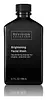
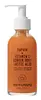
Revision Skincare Brightening Facial Wash Versus Youth To The People Superfruit Gentle Exfoliating Cleanser With Vitamin C + Papaya
This salicylic acid gel cleanser is formulated around Salicylic Acid to clear breakouts and unclog pores.
This smoothing exfoliator is formulated around Glycolic Acid and Niacinamide to refine skin texture and brighten dull-looking skin.

What's inside
What's inside
 Key Ingredients
Benefits
Concerns
Ingredients Side-by-side
Water
Skin ConditioningCocamidopropyl Betaine
Cleansing



Sodium C14-16 Olefin Sulfonate
Cleansing
Decyl Glucoside
Cleansing
Acrylates Copolymer
Glycereth-2 Cocoate
Emulsifying
Sucrose Laurate
Emollient
Glycolic Acid
Buffering









Glycol Distearate
Emollient
Arctostaphylos Uva Ursi Leaf Extract
Skin Conditioning
Lilium Candidum Flower Extract
Skin ConditioningCamellia Sinensis Leaf Powder
Magnesium Ascorbyl Phosphate
Antioxidant


Salicylic Acid
Masking

Glycerin
Humectant

Glycyrrhiza Glabra Root Extract
Bleaching
Tocopherol
Antioxidant
Aminomethyl Propanol
BufferingButylene Glycol
Humectant
Steareth-4
EmulsifyingCitric Acid
Buffering
Benzoic Acid
Masking
Parfum
Masking

Water, Cocamidopropyl Betaine, Sodium C14-16 Olefin Sulfonate, Decyl Glucoside, Acrylates Copolymer, Glycereth-2 Cocoate, Sucrose Laurate, Glycolic Acid, Glycol Distearate, Arctostaphylos Uva Ursi Leaf Extract, Lilium Candidum Flower Extract, Camellia Sinensis Leaf Powder, Magnesium Ascorbyl Phosphate, Salicylic Acid, Glycerin, Glycyrrhiza Glabra Root Extract, Tocopherol, Aminomethyl Propanol, Butylene Glycol, Steareth-4, Citric Acid, Benzoic Acid, Parfum
Water
Skin ConditioningGlycerin
Humectant
Propylene Glycol
Humectant
Coco-Glucoside
Cleansing
Ammonium Polyacryloyldimethyl Taurate
Emulsion StabilisingGlycolic Acid
Buffering
Sodium Methyl Cocoyl Taurate
Cleansing
Niacinamide
Smoothing
Lactic Acid
Buffering
Sodium Hydroxide
BufferingCarica Papaya Fruit Extract
Skin ConditioningIlex Paraguariensis Leaf Extract
Perfuming
Passiflora Edulis Fruit Juice
Skin ConditioningZingiber Officinale Root Extract
Masking
Ascorbyl Glucoside
Antioxidant
Caffeine
Skin Conditioning
Capryloyl Salicylic Acid
Exfoliating
Phytic Acid
Tocopherol
Antioxidant
Bisabolol
Antioxidant
Caprylyl Glycol
Emollient
Citric Acid
Buffering
Coconut Acid
Cleansing
Ethylhexylglycerin
Skin ConditioningHelianthus Annuus Seed Oil
Emollient
Sodium Chloride
MaskingTrideceth-9
EmulsifyingLimonene
Perfuming
Linalool
Perfuming
CI 40800
Cosmetic ColorantChlorphenesin
Antimicrobial
Phenoxyethanol
Preservative
Potassium Sorbate
Preservative
Salicylic Acid
Masking
Sodium Benzoate
Masking
Parfum
Masking
Water, Glycerin, Propylene Glycol, Coco-Glucoside, Ammonium Polyacryloyldimethyl Taurate, Glycolic Acid, Sodium Methyl Cocoyl Taurate, Niacinamide, Lactic Acid, Sodium Hydroxide, Carica Papaya Fruit Extract, Ilex Paraguariensis Leaf Extract, Passiflora Edulis Fruit Juice, Zingiber Officinale Root Extract, Ascorbyl Glucoside, Caffeine, Capryloyl Salicylic Acid, Phytic Acid, Tocopherol, Bisabolol, Caprylyl Glycol, Citric Acid, Coconut Acid, Ethylhexylglycerin, Helianthus Annuus Seed Oil, Sodium Chloride, Trideceth-9, Limonene, Linalool, CI 40800, Chlorphenesin, Phenoxyethanol, Potassium Sorbate, Salicylic Acid, Sodium Benzoate, Parfum
Reviews
Ingredients Explained
These ingredients are found in both products.
Ingredients higher up in an ingredient list are typically present in a larger amount.
Citric Acid is an alpha hydroxy acid (AHA) naturally found in citrus fruits like oranges, lemons, and limes.
Like other AHAs, citric acid can exfoliate skin by breaking down the bonds that hold dead skin cells together. This helps reveal smoother and brighter skin underneath.
However, this exfoliating effect only happens at high concentrations (20%) which can be hard to find in cosmetic products.
Due to this, citric acid is usually included in small amounts as a pH adjuster. This helps keep products slightly more acidic and compatible with skin's natural pH.
In skincare formulas, citric acid can:
While it can provide some skin benefits, research shows lactic acid and glycolic acid are generally more effective and less irritating exfoliants.
Most citric acid used in skincare today is made by fermenting sugars (usually from molasses). This synthetic version is identical to the natural citrus form but easier to stabilize and use in formulations.
Rosacea skin has a lower threshold for acids generally, with 62.5% of rosacea subjects in one study reacting to lactic acid in a sting test. This is why we mark citric acid as a potential rosacea trigger.
However, this ingredient shows up as a pH adjuster or chelator at roughly 0.1-1% in many products. These low levels are unlikely to be an issue for rosacea skin and becomes a potential trigger at exfoliating concentrations (20%). Because everybody's skin is unique, we recommend a patch test if you are unsure.
Learn more about Citric AcidGlycerin (or glycerol) is a compound naturally found in your skin. It's a powerhouse humectant that pulls water into the stratum corneum.
Topically, glycerin does several things at once:
Your skin makes glycerin on its own (mostly from sebaceous oil breakdown) and shuttles it to your outermost layer of skin, or your epidermis, via aquaporin-3.
Aquaporin-3 is a transporter that is essential for normal skin hydration, elasticity, and repair. Interestingly, mice lacking in AQP3 have dry and less elastic skin that can be fully corrected with glycerin.
This ingredient is non-irritating, plays well with almost every ingredient, and works across all skin types. Typical use is anywhere between 3-10% but can go up to 79% in some leave-on products.
Just know very high concentrations (>40%) can feel tacky in low humidity.
Glycerin is the name for this ingredient in American English. British English uses Glycerol/Glycerine.
Learn more about GlycerinGlycolic Acid is arguably the most famous alpha hydroxy acid (AHA) with tons of research backing its benefits.
It is found naturally in sugar cane but the form used in skincare is usually synthetic for purity and stability.
Glycolic acid removes the top layer of dead skin cells to allow newer and fresher ones to emerge.
AHAs work by breaking down the structural “glue” that holds old skin cells in place. When that buildup is gone, your skin can renew itself more efficiently.
Research also shows glycolic acid stimulates collagen production, helping to firm and thicken the skin over time. This is one of its biggest advantages over other AHAs.
Overall, glycolic acid helps with:
Fun fact: Glycolic acid boosts skin hydration by helping it produce molecules that increase hyaluronic acid naturally.
To work best, glycolic acid products should have a pH between 3-4 (that’s where exfoliation is most effective but still gentle on skin).
The pH and concentration of a product are key to its effectiveness:
It is normal to feel a slight stinging sensation when using glycolic acid. This usually fades as your skin adjusts.
Because glycolic acid has the smallest molecular size in the AHA family, it can penetrate deeper, which enhances its effectiveness but also makes it more likely to irritate sensitive skin.
If your skin is very sensitive or prone to rosacea, glycolic acid may be too strong; in that case, try milder options like lactic acid or a PHA instead.
Recent studies suggest glycolic acid might even help protect against UV damage. But don’t skip sunscreen! Freshly exfoliated skin is more sensitive to the sun.
Glycolic acid is a skincare superstar. It smooths, brightens, hydrates, and firms the skin. Unless you’re highly sensitive, it’s well worth adding to your routine.
Read more about some other popular AHA's here:
Learn more about Glycolic AcidParfum is a catch-all term for an ingredient or more that is used to give a scent to products.
Also called "fragrance", this ingredient can be a blend of hundreds of chemicals or plant oils. This means every product with "fragrance" or "parfum" in the ingredients list is a different mixture.
For instance, Habanolide is a proprietary trade name for a specific aroma chemical. When used as a fragrance ingredient in cosmetics, most aroma chemicals fall under the broad labeling category of “FRAGRANCE” or “PARFUM” according to EU and US regulations.
The term 'parfum' or 'fragrance' is not regulated in many countries. In many cases, it is up to the brand to define this term.
For instance, many brands choose to label themselves as "fragrance-free" because they are not using synthetic fragrances. However, their products may still contain ingredients such as essential oils that are considered a fragrance by INCI standards.
One example is Calendula flower extract. Calendula is an essential oil that still imparts a scent or 'fragrance'.
Depending on the blend, the ingredients in the mixture can cause allergies and sensitivities on the skin. Some ingredients that are known EU allergens include linalool and citronellol.
Parfum can also be used to mask or cover an unpleasant scent.
The bottom line is: not all fragrances/parfum/ingredients are created equally. If you are worried about fragrances, we recommend taking a closer look at an ingredient. And of course, we always recommend speaking with a professional.
Learn more about ParfumSalicylic Acid (also known as beta hydroxy acid or BHA) is a well-known ingredient for treating skin that struggles with acne and clogged pores. It exfoliates both the skin's surface and deep within the pores to help clear out buildup, control oil, and reduce inflammation.
Unlike AHAs (alpha hydroxy acids), salicylic acid is oil-soluble. This allows it to penetrate into pores which makes it especially effective for treating blackheads and preventing future breakouts.
Salicylic acid is also known for its soothing properties. It has a similar structure to aspirin and can calm inflamed or irritated skin, making it a good option for acne-prone skin that is also sensitive.
Concentrations of 0.5-2% are recognized by the U.S. FDA as an over-the-counter topical acne product.
It can cause irritation and/or dryness if one's skin already has a compromised moisture barrier, so it's best to focus on repairing that before introducing this ingredient into your routine.
While salicylic acid does not increase sun sensitivity, it’s still important to wear sunscreen daily to protect your skin.
If you are looking for the ingredient called BHA or Butylated Hydroxyanisole, click here.
Learn more about Salicylic AcidTocopherol is a fat-soluble antioxidant known as Vitamin E.
You'll find this ingredient in the vast majority of skincare (for good reason). It works to neutralize free radicals, or unstable molecules generated by UV exposure, pollution, and other environmental stressors, before they can cause oxidative damage to your skin cells.
Topically applied tocopherol has been shown to protect against UV damage by ramping up the skin's own natural defense enzymes.
It also acts as a skin conditioning agent; some studies show that regular topical use can improve the skin's water-binding capacity over 2-4 weeks.
This ingredient is especially loved for being a team player. When combined with Vitamin C, the photoprotective effect of both ingredients roughly doubles and the combo also helps reduce UV-induced DNA damage.
This ingredient has some brightening potential but it's more of a prevention ingredient than spot-fader. Cell studies show it can slow down melanin production but it's worth noting that it's not the most powerful brightener out there.
In formulations, it also serves as a stabilizer that helps protect other oxidation-prone ingredients from degrading.
Concentrations usually range from 0.1-1% in most leave-on products.
Learn more about TocopherolWater. It's the most common cosmetic ingredient of all. You'll usually see it at the top of ingredient lists, meaning that it makes up the largest part of the product.
So why is it so popular? Water most often acts as a solvent - this means that it helps dissolve other ingredients into the formulation.
You'll also recognize water as that liquid we all need to stay alive. If you see this, drink a glass of water. Remember to stay hydrated!
Learn more about Water

