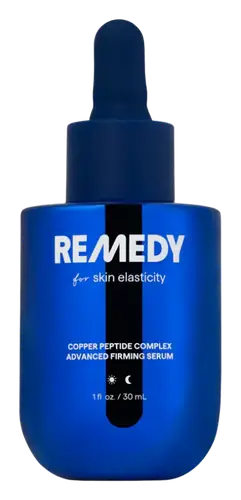


What's inside
What's inside
 Key Ingredients
Benefits
Concerns
Ingredients Side-by-side
Water
Skin ConditioningPentylene Glycol
Skin Conditioning
Isopentyldiol
Humectant
1,2-Hexanediol
Skin Conditioning
Glycerin
Humectant
Ectoin
Skin Conditioning



Copper Tripeptide-1
Skin Conditioning
Polyglutamic Acid
Skin Conditioning
Allantoin
Skin Conditioning
Biosaccharide Gum-1
Humectant
Butylene Glycol
Humectant
Caprylyl Glycol
Emollient
Centella Asiatica Extract
Cleansing
Citric Acid
Buffering


Curcuma Longa Root Extract
Masking
Ethylhexylglycerin
Skin ConditioningAcetyl Hexapeptide-8
Humectant
Hydroxyacetophenone
Antioxidant
Tea-Acrylates/Acrylonitrogens Copolymer
Lactobacillus Ferment
Skin Conditioning
Palmitoyl Tripeptide-5
Skin Conditioning
Phenoxyethanol
Preservative
Polyacrylate Crosspolymer-5
SurfactantPolysorbate 60
Emulsifying
Sodium Citrate
BufferingSodium Hyaluronate
Humectant
Sorbitan Isostearate
Emulsifying
Superoxide Dismutase
Antioxidant
Tocopherol
Antioxidant

Trisodium Ethylenediamine Disuccinate
Tromethamine
BufferingWater, Pentylene Glycol, Isopentyldiol, 1,2-Hexanediol, Glycerin, Ectoin, Copper Tripeptide-1, Polyglutamic Acid, Allantoin, Biosaccharide Gum-1, Butylene Glycol, Caprylyl Glycol, Centella Asiatica Extract, Citric Acid, Curcuma Longa Root Extract, Ethylhexylglycerin, Acetyl Hexapeptide-8, Hydroxyacetophenone, Tea-Acrylates/Acrylonitrogens Copolymer, Lactobacillus Ferment, Palmitoyl Tripeptide-5, Phenoxyethanol, Polyacrylate Crosspolymer-5, Polysorbate 60, Sodium Citrate, Sodium Hyaluronate, Sorbitan Isostearate, Superoxide Dismutase, Tocopherol, Trisodium Ethylenediamine Disuccinate, Tromethamine
Water
Skin ConditioningGlycerin
Humectant
Propanediol
Solvent
Niacinamide
Smoothing



Acetyl Glycyl Beta-Alanine
Skin ConditioningAlpha-Arbutin
Antioxidant
Centella Asiatica Leaf Extract
Skin Conditioning
Tetrapeptide-30
Skin Conditioning
Copper Palmitoyl Heptapeptide-14
Skin Conditioning
Palmitoyl Sh-Heptapeptide-12 Sp
Skin Conditioning
Tulipa Gesneriana Flower Extract
Skin ConditioningCrocus Chrysanthus Bulb Extract
Skin ConditioningGlycyrrhiza Glabra Root Extract
Bleaching
Kinetin
Skin ConditioningIndole Acetic Acid
Skin ConditioningAvena Sativa Kernel Extract
Abrasive
Corallina Officinalis Extract
Skin Conditioning
Panthenol
Skin Conditioning
Allantoin
Skin Conditioning
Melia Azadirachta Flower Extract
Skin ConditioningMelia Azadirachta Leaf Extract
Skin ConditioningCoccinia Indica Fruit Extract
Skin Conditioning
Camellia Sinensis Leaf Extract
Antimicrobial
Sodium Hyaluronate
Humectant
Lactic Acid/Glycolic Acid Copolymer
Skin ConditioningBetaine
Humectant
Acacia Senegal Gum
MaskingXanthan Gum
EmulsifyingPotassium Sorbate
Preservative
Sodium Benzoate
Masking
Maltodextrin
Absorbent
Caprylyl Glycol
Emollient
1,2-Hexanediol
Skin Conditioning
Polyvinyl Alcohol
Sodium Hydroxide
BufferingCitric Acid
Buffering
Water, Glycerin, Propanediol, Niacinamide, Acetyl Glycyl Beta-Alanine, Alpha-Arbutin, Centella Asiatica Leaf Extract, Tetrapeptide-30, Copper Palmitoyl Heptapeptide-14, Palmitoyl Sh-Heptapeptide-12 Sp, Tulipa Gesneriana Flower Extract, Crocus Chrysanthus Bulb Extract, Glycyrrhiza Glabra Root Extract, Kinetin, Indole Acetic Acid, Avena Sativa Kernel Extract, Corallina Officinalis Extract, Panthenol, Allantoin, Melia Azadirachta Flower Extract, Melia Azadirachta Leaf Extract, Coccinia Indica Fruit Extract, Camellia Sinensis Leaf Extract, Sodium Hyaluronate, Lactic Acid/Glycolic Acid Copolymer, Betaine, Acacia Senegal Gum, Xanthan Gum, Potassium Sorbate, Sodium Benzoate, Maltodextrin, Caprylyl Glycol, 1,2-Hexanediol, Polyvinyl Alcohol, Sodium Hydroxide, Citric Acid
Reviews
Ingredients Explained
These ingredients are found in both products.
Ingredients higher up in an ingredient list are typically present in a larger amount.
1,2-Hexanediol is a synthetic liquid and another multi-functional powerhouse.
It is a:
- Humectant, drawing moisture into the skin
- Emollient, helping to soften skin
- Solvent, dispersing and stabilizing formulas
- Preservative booster, enhancing the antimicrobial activity of other preservatives
Allantoin is a soothing ingredient known for its protective and moisturizing properties; it's basically a quiet workhorse ingredient you can find in a huge range of cosmetics.
Though it can be derived from the comfrey plant, allantoin is produced synthetically for cosmetic products to ensure purity.
Research shows it can encourage your skin cells to turn over and renew by stimulating keratinocyte and fibroblast proliferation.
It also has mild keratolytic properties to help loosen and shed dead skin cells without being harsh.
Studies also suggest allantoin can help calm inflammation by dialing down some of the chemical signals your skin sends out when it is irritated.
This ingredient is typically used in the 0.1-0.5% range, and the FDA recognizes it as a skin protectant in OTC products up to 2%.
Overall, allantoin is a wonderful addition to most routines; it is stable across a wide pH range (~4-8), works well with other ingredients, and is considered non-sensitizing/non-irritating.
Fun fact: Allantoin is naturally occurring in comfrey root, beets, chamomile, and wheat sprouts. Our bodies even produce it as a byproduct of uric acid metabolism.
Learn more about AllantoinCaprylyl Glycol is a humectant, skin conditioner, emollient, and preservative booster derived from either caprylic acid or synthetically created.
Typical use levels vary from 0.3-1% as a preservative booster and go up to 2% to condition skin.
Because it is not a free-fatty acid, this ingredient is fungal acne safe (there's nothing for Malassezia to feed on).
Learn more about Caprylyl GlycolCitric Acid is an alpha hydroxy acid (AHA) naturally found in citrus fruits like oranges, lemons, and limes.
Like other AHAs, citric acid can exfoliate skin by breaking down the bonds that hold dead skin cells together. This helps reveal smoother and brighter skin underneath.
However, this exfoliating effect only happens at high concentrations (20%) which can be hard to find in cosmetic products.
Due to this, citric acid is usually included in small amounts as a pH adjuster. This helps keep products slightly more acidic and compatible with skin's natural pH.
In skincare formulas, citric acid can:
While it can provide some skin benefits, research shows lactic acid and glycolic acid are generally more effective and less irritating exfoliants.
Most citric acid used in skincare today is made by fermenting sugars (usually from molasses). This synthetic version is identical to the natural citrus form but easier to stabilize and use in formulations.
Read more about some other popular AHA's here:
Learn more about Citric AcidGlycerin (or glycerol) is a compound naturally found in your skin. It's a powerhouse humectant that pulls water into the stratum corneum.
Topically, glycerin does several things at once:
Your skin makes glycerin on its own (mostly from sebaceous oil breakdown) and shuttles it to your outermost layer of skin, or your epidermis, via aquaporin-3.
Aquaporin-3 is a transporter that is essential for normal skin hydration, elasticity, and repair. Interestingly, mice lacking in AQP3 have dry and less elastic skin that can be fully corrected with glycerin.
This ingredient is non-irritating, plays well with almost every ingredient, and works across all skin types. Typical use is anywhere between 3-10% but can go up to 79% in some leave-on products.
Just know very high concentrations (>40%) can feel tacky in low humidity.
Glycerin is the name for this ingredient in American English. British English uses Glycerol/Glycerine.
Learn more about GlycerinSodium Hyaluronate is the salt form of hyaluronic acid. It is a long sugar chain that is naturally found in your skin, joints, and connective tissue that maintains hydration and elasticity.
In skincare, it works as a humectant. It pulls water from the environment and deeper layers of skin and binds it to the surface.
Interestingly, the size of the molecule affects its behavior:
Some clinical evidence links low molecular weight versions to improved wrinkle depth, elasticity, anti-inflammatory effects, and barrier repair.
Many serums use a blend of both weights so you can get surface hydration plus longer-lasting and deeper effects.
You'll typically see concentrations between 0.1-2% for this ingredient.
Learn more about Sodium HyaluronateWater. It's the most common cosmetic ingredient of all. You'll usually see it at the top of ingredient lists, meaning that it makes up the largest part of the product.
So why is it so popular? Water most often acts as a solvent - this means that it helps dissolve other ingredients into the formulation.
You'll also recognize water as that liquid we all need to stay alive. If you see this, drink a glass of water. Remember to stay hydrated!
Learn more about Water

