Rejuran Advanced Anti-Aging Retinol + C-PDRN Serum Versus innisfree Retinol Green Tea PDRN Skinbooster Ampoule
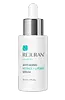
This anti-aging serum is formulated around Retinol and Palmitoyl Tripeptide-38 to soften the look of wrinkles and refine skin texture.
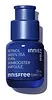
This smoothing ampoule is formulated around Lactobacillus Ferment Lysate and Niacinamide to refine skin texture and soften the look of wrinkles.

What's inside
What's inside
 Key Ingredients
Benefits
Concerns
Ingredients Side-by-side
Aloe Barbadensis Leaf Juice
Skin Conditioning


Rubus Villosus Fruit Extract
AstringentVaccinium Angustifolium Fruit Extract
Skin Protecting
Morus Nigra Leaf Extract
Skin ConditioningCucumis Sativus Fruit Extract
Emollient
Daucus Carota Sativa Root
Skin ConditioningCalendula Officinalis Flower
Skin Conditioning
Caprylic/Capric Triglyceride
Masking

Citrus Aurantium Dulcis Peel Extract
Emulsion Stabilising
Borago Officinalis Seed Oil
Emollient




Panthenol
Skin Conditioning
Glycerin
Humectant
Argania Spinosa Kernel Oil
Emollient

Sodium Ascorbyl Phosphate
Antioxidant





Allantoin
Skin Conditioning
Hydrolyzed DNA
Skin ConditioningAdenosine
Skin Conditioning
Retinol
Skin Conditioning


Palmitoyl Tripeptide-38
Skin Conditioning
Xanthan Gum
EmulsifyingHydroxyethylcellulose
Emulsion StabilisingCarbomer
Emulsion StabilisingDimethicone
Emollient
1,2-Hexanediol
Skin Conditioning
Ethylhexylglycerin
Skin ConditioningAloe Barbadensis Leaf Juice, Rubus Villosus Fruit Extract, Vaccinium Angustifolium Fruit Extract, Morus Nigra Leaf Extract, Cucumis Sativus Fruit Extract, Daucus Carota Sativa Root, Calendula Officinalis Flower, Caprylic/Capric Triglyceride, Citrus Aurantium Dulcis Peel Extract, Borago Officinalis Seed Oil, Panthenol, Glycerin, Argania Spinosa Kernel Oil, Sodium Ascorbyl Phosphate, Allantoin, Hydrolyzed DNA, Adenosine, Retinol, Palmitoyl Tripeptide-38, Xanthan Gum, Hydroxyethylcellulose, Carbomer, Dimethicone, 1,2-Hexanediol, Ethylhexylglycerin
Lactobacillus Ferment Lysate 56.88%
Skin Conditioning
Glycerin
Humectant
Propanediol
Solvent
Water
Skin ConditioningDipropylene Glycol
HumectantButylene Glycol
Humectant
Niacinamide
Smoothing
1,2-Hexanediol
Skin Conditioning
Squalane
Emollient
Glyceryl Polymethacrylate
Dimethyl Isosorbide
SolventMethyl Trimethicone
Skin Conditioning
Cetearyl Alcohol
Emollient

Hydroxyethyl Urea
Humectant
Ammonium Acryloyldimethyltaurate/Vp Copolymer
Helianthus Annuus Seed Oil
Emollient
Glycine Soja Oil
Emollient
Allantoin
Skin Conditioning
Glyceryl Stearate
Emollient
Xanthan Gum
EmulsifyingTocopherol
Antioxidant
Tocopheryl Acetate
Antioxidant
Pentylene Glycol
Skin Conditioning
Dipotassium Glycyrrhizate
Humectant
Sodium Stearoyl Glutamate
CleansingHydrogenated Lecithin
Emulsifying
Daucus Carota Sativa Root Extract
Skin Conditioning
Hydroxypinacolone Retinoate
Skin Conditioning
Stearic Acid
Cleansing
Polyglyceryl-3 Methylglucose Distearate
Emulsifying
Sodium Polyacrylate
Absorbent
Sodium Metaphosphate
BufferingKojyl Methylenedioxycinnamate
Antioxidant
Palmitic Acid
Emollient
Ethylhexylglycerin
Skin ConditioningAdenosine
Skin Conditioning
Retinol
Skin Conditioning
Sodium Hyaluronate
Humectant
Hyaluronic Acid
Humectant
Hydrolyzed Vegetable Protein
Skin ConditioningAchillea Millefolium Extract
CleansingBeta-Carotene
Skin ConditioningMyristic Acid
Cleansing
Lauric Acid
Cleansing
Pullulan
Zein
Skin ConditioningCamellia Sinensis Leaf Extract
Antimicrobial
Pectin
Emulsion StabilisingCitric Acid
Buffering
Lactobacillus Ferment Lysate 56.88%, Glycerin, Propanediol, Water, Dipropylene Glycol, Butylene Glycol, Niacinamide, 1,2-Hexanediol, Squalane, Glyceryl Polymethacrylate, Dimethyl Isosorbide, Methyl Trimethicone, Cetearyl Alcohol, Hydroxyethyl Urea, Ammonium Acryloyldimethyltaurate/Vp Copolymer, Helianthus Annuus Seed Oil, Glycine Soja Oil, Allantoin, Glyceryl Stearate, Xanthan Gum, Tocopherol, Tocopheryl Acetate, Pentylene Glycol, Dipotassium Glycyrrhizate, Sodium Stearoyl Glutamate, Hydrogenated Lecithin, Daucus Carota Sativa Root Extract, Hydroxypinacolone Retinoate, Stearic Acid, Polyglyceryl-3 Methylglucose Distearate, Sodium Polyacrylate, Sodium Metaphosphate, Kojyl Methylenedioxycinnamate, Palmitic Acid, Ethylhexylglycerin, Adenosine, Retinol, Sodium Hyaluronate, Hyaluronic Acid, Hydrolyzed Vegetable Protein, Achillea Millefolium Extract, Beta-Carotene, Myristic Acid, Lauric Acid, Pullulan, Zein, Camellia Sinensis Leaf Extract, Pectin, Citric Acid
Reviews
Ingredients Explained
These ingredients are found in both products.
Ingredients higher up in an ingredient list are typically present in a larger amount.
1,2-Hexanediol is a synthetic liquid and another multi-functional powerhouse.
It is a:
- Humectant, drawing moisture into the skin
- Emollient, helping to soften skin
- Solvent, dispersing and stabilizing formulas
- Preservative booster, enhancing the antimicrobial activity of other preservatives
Adenosine is a purine nucleoside that your body already makes in every cell. In skincare, it acts mainly as a skin conditioning and anti-aging agent.
The way it works is fairly well mapped out:
Your skin has cells called fibroblasts that build collagen (the stuff that keeps skin firm and smooth). Adenosine basically flips a switch on these cells that tells them to get to work making more collagen and other proteins. These cells slow down on their own as skin ages, so Adenosine helps give them a little nudge to keep going.
The clinical backing is pretty solid too.
A blind, randomized, placebo-controlled trial of 126 women aged 45-65 tested a 0.1% cream twice daily and found real improvements in crow's feet and frown lines using a precise 3D skin-mapping technique; these changes showed up by week 3 and held at 2 months.
A later study using Adenosine-loaded dissolving microneedle patches reported gains in wrinkle depth, dermal density, elasticity, and hydration.
On concentrations, South Korea's Ministry of Food and Drug Safety has set 0.04% as the approved functional anti-wrinkle level. You'll typically see this ingredient used somewhere in the 0.04-0.1% range since it works at low doses.
This ingredient has been found safe for cosmetics with the data showing no irritation or sensitization.
Overall, this is a great ingredient for any anti-aging routine and has no photosensitizing effect, so it suits both AM and PM use.
Learn more about AdenosineAllantoin is a soothing ingredient known for its protective and moisturizing properties; it's basically a quiet workhorse ingredient you can find in a huge range of cosmetics.
Though it can be derived from the comfrey plant, allantoin is produced synthetically for cosmetic products to ensure purity.
Research shows it can encourage your skin cells to turn over and renew by stimulating keratinocyte and fibroblast proliferation.
It also has mild keratolytic properties to help loosen and shed dead skin cells without being harsh.
Studies also suggest allantoin can help calm inflammation by dialing down some of the chemical signals your skin sends out when it is irritated.
This ingredient is typically used in the 0.1-0.5% range, and the FDA recognizes it as a skin protectant in OTC products up to 2%.
Overall, allantoin is a wonderful addition to most routines; it is stable across a wide pH range (~4-8), works well with other ingredients, and is considered non-sensitizing/non-irritating.
Fun fact: Allantoin is naturally occurring in comfrey root, beets, chamomile, and wheat sprouts. Our bodies even produce it as a byproduct of uric acid metabolism.
Learn more about AllantoinEthylhexylglycerin is created from glycerin. It is a multitasker ingredient that:
The CIR Expert Panel found minimal skin absorption or sensitization of any kind in a safety assessment. Though this ingredient is considered well-tolerated, a small number of cases of allergic dermatitis have been published since 2002. Just be sure to patch test if you are unsure.
Industry-reported use ranges from 8% in rinse-off products and 2% in leave-on formulations.
Learn more about EthylhexylglycerinGlycerin (or glycerol) is a compound naturally found in your skin. It's a powerhouse humectant that pulls water into the stratum corneum.
Topically, glycerin does several things at once:
Your skin makes glycerin on its own (mostly from sebaceous oil breakdown) and shuttles it to your outermost layer of skin, or your epidermis, via aquaporin-3.
Aquaporin-3 is a transporter that is essential for normal skin hydration, elasticity, and repair. Interestingly, mice lacking in AQP3 have dry and less elastic skin that can be fully corrected with glycerin.
This ingredient is non-irritating, plays well with almost every ingredient, and works across all skin types. Typical use is anywhere between 3-10% but can go up to 79% in some leave-on products.
Just know very high concentrations (>40%) can feel tacky in low humidity.
Glycerin is the name for this ingredient in American English. British English uses Glycerol/Glycerine.
Learn more about GlycerinRetinol is one of the most studied anti-aging ingredients in skincare (and for good reason!).
It's a form of vitamin A that your skin converts into Retinoic Acid, the active molecule that actually does the work in your cells.
That conversion happens in two steps: your skin first turns Retinol into Retinaldehyde (also called Retinal), then turns Retinaldehyde into Retinoic Acid.
Retinol is converted to biologically active retinoic acid via retinaldehyde by dehydrogenases in a two-step oxidation process.
Each step is a little "upgrade" toward the active form which is part of why Retinol is gentler than prescription Retinoic Acid; your skin does the work gradually. This also explains where Retinol sits in the retinoid family.
Here is the retinoid family ranked roughly by strength: Retinyl Esters (like Retinyl Palmitate) < Retinol < Retinaldehyde < Retinoic Acid.
Retinoid activity increases in that order, while tolerance runs in reverse; retinyl esters are the gentlest and retinoic acid the most irritating.
The more conversion steps an ingredient needs, the gentler (and slower) it tends to be, so Retinol lands in a nice middle spot. It's more effective than the esters, gentler than prescription options.
Once it becomes Retinoic Acid, it binds to receptors inside your cells' nuclei (called RARs and RXRs). These receptor pairs bind to specific DNA motifs called retinoic acid response elements and act like switches that turn certain genes on or off.
In practice, this means a few things happen in a formula. It:
That last two are worth a closer look.
A study that tested Retinol directly (not just prescription Retinoic Acid) found that four weeks of retinol thickened the epidermis and switched on the genes for Collagen I and Collagen III, with more procollagen I and III showing up in the skin. And after twelve weeks, facial wrinkles were visibly reduced.
Retinoids more broadly stimulate the skin's synthesis of hyaluronan and other glycosaminoglycans, part of what gives skin a plumper, more hydrated look over time.
So even the gentler OTC form is doing real structural work (not just sitting on the surface).
It's also worth knowing Retinol isn't only a wrinkle ingredient; it can help with uneven tone, dark spots, rough texture, and the look of pores as well because it speeds up turnover and influences pigment.
The research backs this up as well.
A pooled analysis of six clinical studies found that 0.1% stabilized retinol improved all signs of photoaging versus vehicle as early as week 4 and through 12 weeks, with only a few mild cases of irritation.
Another study comparing concentrations found that 0.3% and 1% Retinol were similarly effective at remodeling photodamaged skin, but 0.3% caused fewer adverse reactions when used daily (a useful reminder that more isn't always better).
Retinol is about tenfold less potent than Retinoic Acid. This is why it works as a gentler, non-prescription option that builds results over time.
Typical concentrations range from 0.1-1%, with 0.1% to 0.3% being a well-supported sweet spot for visible benefits with good tolerability.
One quirk worth mentioning: Retinol is famously unstable.
It's highly sensitive to light and oxygen, and UV exposure breaks it down into a range of degradation products.
Real-world testing bears this out, with retinoid content in some products dropping anywhere from 0% to 80% after six months at room temperature, and even more at higher temperatures.
This is why good formulations lean on opaque, air-tight packaging (think tubes and pumps, not clear jars) and often "encapsulate" the Retinol to shield it.
Signs of oxidation include your product turning yellow or smelling "off". Keeping it somewhere cool and dark, and using it up within a few months of opening helps it stay effective.
The most common side effects are mild and temporary: usually some dryness, redness, or light peeling as your skin adjusts. These tend to settle with consistent and lower-frequency use.
Like all retinoids, Retinol works best with nightly use, a good moisturizer, and daytime sunscreen.
The "ramp up" method works well: start with Retinol once a week to give your skin time to adjust, which keeps irritation low. Slowly add more nights until you reach your goal frequency once your skin feels comfortable.
Retinoids also make your skin more sensitive to the sun in the first few weeks, so wear sunscreen every morning and protect your skin from direct sun while you build up tolerance.
One safety note: topical Retinoids aren't recommended during pregnancy or breastfeeding. Systemic absorption from creams is low but because high oral vitamin A is a known teratogen and topical safety data are limited, most clinicians recommend stopping retinoids when pregnant or trying to conceive.
Learn more about RetinolXanthan gum is used as a stabilizer and thickener within cosmetic products. It helps give products a sticky, thick feeling - preventing them from being too runny.
On the technical side of things, xanthan gum is a polysaccharide - a combination consisting of multiple sugar molecules bonded together.
Xanthan gum is a pretty common and great ingredient. It is a natural, non-toxic, non-irritating ingredient that is also commonly used in food products.
Learn more about Xanthan Gum

