Rawquest Barrier Enhancing Cleanser Versus Rawquest Echinacea Calming And Moisture Peeling Bubble Foam
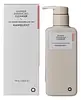
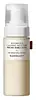
This mild foaming cleanser is mild enough to cleanse without leaving skin feeling tight or stripped.

What's inside
What's inside
 Key Ingredients
Benefits
Concerns
Ingredients Side-by-side
Water
Skin ConditioningGlycerin
Humectant


Sodium C14-16 Olefin Sulfonate
Cleansing

Coco-Betaine
Cleansing
Sorbitol
Humectant
Butylene Glycol
Humectant
Potassium Benzoate
Preservative
Ethylhexylglycerin
Skin ConditioningSodium Chloride
MaskingPropanediol
Solvent
Citric Acid
Buffering


Coco-Glucoside
Cleansing
Panthenol
Skin Conditioning

Acrylates Copolymer
Polyquaternium-10
Polyglyceryl-4 Caprate
EmulsifyingPolyglyceryl-6 Caprylate
EmulsifyingDecyl Glucoside
Cleansing
Musa Sapientum Fruit Extract
Skin ConditioningHydrangea Macrophylla Leaf Extract
Skin ConditioningHedera Helix Leaf/Stem Extract
AntimicrobialTheobroma Cacao Extract
Skin ConditioningTrisodium Ethylenediamine Disuccinate
ChelatingCocos Nucifera Oil
Masking




Fragaria Chiloensis Fruit Extract
Skin Conditioning
1,2-Hexanediol
Skin Conditioning
Gardenia Florida Flower Extract
Skin ConditioningHyaluronic Acid
Humectant

Hydrolyzed Hyaluronic Acid
Humectant
Sodium Hyaluronate
Humectant
Amyris Balsamifera Bark Oil
Masking
Osmanthus Fragrans Flower Extract
MaskingDipotassium Phosphate
BufferingAcetyl Glutamine
Skin ConditioningCellulose Gum
Emulsion StabilisingWater, Glycerin, Sodium C14-16 Olefin Sulfonate, Coco-Betaine, Sorbitol, Butylene Glycol, Potassium Benzoate, Ethylhexylglycerin, Sodium Chloride, Propanediol, Citric Acid, Coco-Glucoside, Panthenol, Acrylates Copolymer, Polyquaternium-10, Polyglyceryl-4 Caprate, Polyglyceryl-6 Caprylate, Decyl Glucoside, Musa Sapientum Fruit Extract, Hydrangea Macrophylla Leaf Extract, Hedera Helix Leaf/Stem Extract, Theobroma Cacao Extract, Trisodium Ethylenediamine Disuccinate, Cocos Nucifera Oil, Fragaria Chiloensis Fruit Extract, 1,2-Hexanediol, Gardenia Florida Flower Extract, Hyaluronic Acid, Hydrolyzed Hyaluronic Acid, Sodium Hyaluronate, Amyris Balsamifera Bark Oil, Osmanthus Fragrans Flower Extract, Dipotassium Phosphate, Acetyl Glutamine, Cellulose Gum
Echinacea Purpurea Extract 39.2%
MoisturisingWater
Skin ConditioningDisodium Cocoamphodiacetate
CleansingCoco-Glucoside
Cleansing
Dipropylene Glycol
HumectantDecyl Glucoside
Cleansing
Sodium Chloride
MaskingSodium Cocoyl Glutamate
Cleansing
Polyglyceryl-6 Caprylate
EmulsifyingPolyglyceryl-4 Caprylate
Emollient1,2-Hexanediol
Skin Conditioning
Citric Acid
Buffering
Disodium Coco-Glucoside Citrate
Emulsifying
Glycerin
Humectant
Sorbitol
Humectant
Butylene Glycol
Humectant
Potassium Benzoate
Preservative
Musa Sapientum Fruit Extract
Skin ConditioningDisodium EDTA
ChelatingHexylene Glycol
EmulsifyingTheobroma Cacao Extract
Skin ConditioningHedera Helix Leaf/Stem Extract
AntimicrobialCocos Nucifera Oil
Masking
Fragaria Chiloensis Fruit Extract
Skin Conditioning
Lactobionic Acid
Buffering




Capryloyl Salicylic Acid
Exfoliating

Lactobacillus Ferment Lysate
Skin Conditioning
Gardenia Florida Fruit Extract
Skin ConditioningAmyris Balsamifera Bark Oil
Masking
Osmanthus Fragrans Flower Extract
MaskingDipotassium Phosphate
BufferingAcetyl Glutamine
Skin ConditioningCellulose Gum
Emulsion StabilisingEchinacea Purpurea Extract 39.2%, Water, Disodium Cocoamphodiacetate, Coco-Glucoside, Dipropylene Glycol, Decyl Glucoside, Sodium Chloride, Sodium Cocoyl Glutamate, Polyglyceryl-6 Caprylate, Polyglyceryl-4 Caprylate, 1,2-Hexanediol, Citric Acid, Disodium Coco-Glucoside Citrate, Glycerin, Sorbitol, Butylene Glycol, Potassium Benzoate, Musa Sapientum Fruit Extract, Disodium EDTA, Hexylene Glycol, Theobroma Cacao Extract, Hedera Helix Leaf/Stem Extract, Cocos Nucifera Oil, Fragaria Chiloensis Fruit Extract, Lactobionic Acid, Capryloyl Salicylic Acid, Lactobacillus Ferment Lysate, Gardenia Florida Fruit Extract, Amyris Balsamifera Bark Oil, Osmanthus Fragrans Flower Extract, Dipotassium Phosphate, Acetyl Glutamine, Cellulose Gum
Ingredients Explained
These ingredients are found in both products.
Ingredients higher up in an ingredient list are typically present in a larger amount.
1,2-Hexanediol is a synthetic liquid and another multi-functional powerhouse.
It is a:
- Humectant, drawing moisture into the skin
- Emollient, helping to soften skin
- Solvent, dispersing and stabilizing formulas
- Preservative booster, enhancing the antimicrobial activity of other preservatives
We don't have a description for Acetyl Glutamine yet.
This ingredient is used as a perfuming ingredient, or to add a fragrance. It is described to have a woody, balsamic, slightly sweet scent.
Butylene Glycol (or BG) is used within cosmetic products for a few different reasons:
Overall, Butylene Glycol is a safe and well-rounded ingredient that works well with other ingredients.
Though this ingredient works well with most skin types, some people with sensitive skin may experience a reaction such as allergic rashes, closed comedones, or itchiness.
Learn more about Butylene GlycolCellulose Gum is a water-soluble polymer that comes from cellulose. It is used to change the texture of a product and to help stabilize emulsions.
As an emulsifier, cellulose gum specifically thicken the texture of water-based products.
This ingredient is considered hypoallergenic and non-toxic. Cellulose Gum can be found in cosmetics, food, and other household goods such as paper products.
Learn more about Cellulose GumCitric Acid is an alpha hydroxy acid (AHA) naturally found in citrus fruits like oranges, lemons, and limes.
Like other AHAs, citric acid can exfoliate skin by breaking down the bonds that hold dead skin cells together. This helps reveal smoother and brighter skin underneath.
However, this exfoliating effect only happens at high concentrations (20%) which can be hard to find in cosmetic products.
Due to this, citric acid is usually included in small amounts as a pH adjuster. This helps keep products slightly more acidic and compatible with skin's natural pH.
In skincare formulas, citric acid can:
While it can provide some skin benefits, research shows lactic acid and glycolic acid are generally more effective and less irritating exfoliants.
Most citric acid used in skincare today is made by fermenting sugars (usually from molasses). This synthetic version is identical to the natural citrus form but easier to stabilize and use in formulations.
Rosacea skin has a lower threshold for acids generally, with 62.5% of rosacea subjects in one study reacting to lactic acid in a sting test. This is why we mark citric acid as a potential rosacea trigger.
However, this ingredient shows up as a pH adjuster or chelator at roughly 0.1-1% in many products. These low levels are unlikely to be an issue for rosacea skin and becomes a potential trigger at exfoliating concentrations (20%). Because everybody's skin is unique, we recommend a patch test if you are unsure.
Learn more about Citric AcidCoco-Glucoside is a surfactant, or a cleansing ingredient. It is made from glucose and coconut oil.
Surfactants help gather dirt, oil, and other pollutants from your skin to be rinsed away.
This ingredient is considered gentle and non-comedogenic. However, it may still be irritating for some.
Learn more about Coco-GlucosideThis ingredient is also known as coconut oil. It is a plant-derived ingredient with skin conditioning properties.
The fatty acid profile of coconut oil is mostly lauric acid (~54%), followed by capric, caprylic, palmitic, and myristic acids. This profile allows it to penetrate easily into skin, moisturize, and improve dry skin.
A double-blind study confirmed that extra virgin coconut oil is as effective as mineral oil for treating very dry skin. Another study found it outperformed mineral oil for mild to moderate atopic dermatitis in children.
Another study from 2018 found that virgin coconut oil can soothe inflammation and boost key skin barrier proteins. Just know this evidence is still only from lab settings and not human trials.
It has also been shown to reduce Staphylococcus aureus, a bacteria that commonly overgrows in people with eczema.
Clinical testing shows very minimal skin irritation and no evidence of sensitization or phototoxicity.
Coconut oil gets flagged as a "fragrance" because it has a natural mild scent (not because it's a synthetic perfume). The European Cosmetic ingredient database also lists "perfuming" as a function of this ingredient.
Just so you know, the term "fragrance" is completely unregulated. Some brands still use botanical extracts or essential oils in their "fragrance-free" formulas, but regulatory databases technically classify these under "fragrance".
Coconut oil has a tiny and useless bit of natural SPF. Early lab studies clocked it around SPF 7-8 but a more recent study found the real number closer to SPF 1.2. It also offers no meaningful UVA protection (SPF only overs UVB rays).
The comedogenic rating of 4/5 means it has a high potential to clog pores; but it's worth noting that comedogenicity is highly individual and ratings cannot predict how an overall formula will behave on skin.
Since lauric acid is the dominant fatty acid, this ingredient may not be fungal acne safe. The Malassezia yeast feeds on fatty acids with carbon chain lengths between 11-24, and lauric acid falls within these lengths (C12).
Learn more about Cocos Nucifera OilDecyl Glucoside is a plant-derived surfactant and emulsion stabilizer. It is created by reacting glucose with the fatty acids from plants.
Like all surfactants, it works by lowering the surface tension between water and oil. This makes it so that dirt, sebum, and makeup can be lifted off your skin and rinsed away. It also produces a dense and creamy foam.
Because it has a neutral charge, it is compatible with a wide range of ingredients and stays stable across a broad pH range/water hardiness conditions.
Patch testing has shown it to have the lowest irritation potential among common cleansing surfactants (like SLS).
Typical use levels range from 5-20% in rinse-off cleansers.
One thing worth knowing: The American Contact Dermatitis Society named the parent family, alkyl glucosides, "Allergen of the Year" in 2017. The prevalence of allergy is pretty low but be sure to patch test if you've reacted to "gentle" or sulfate-free cleansers before.
This ingredient is fungal acne safe because the fatty alcohol portion of this ingredient is not within the C11-24 chain length that Malassezia can metabolize.
Learn more about Decyl GlucosideDipotassium Phosphate is an inorganic salt. This just means it has a different structure than organic salts. It is a stabilizing and pH adjusting ingredient.
This ingredient is soluble in water.
Fragaria Chiloensis Fruit Extract comes from the beach strawberry. This is a strawberry native to Pacific coasts of North America, South America, and Hawaii. It likes to grow on sandy beaches.
Beach strawberries have antioxidant and moisturizing properties. They contain many compounds that are potent antioxidants, such as anthocyanins and Vitamin C.
The sugar, or polysaccharides, in strawberries help hydrate the skin by increasing water retention.
Strawberries also contain acids such as ellagic acid, a compound that may protect our skin against UVB damage. Another acid present is citric acid.
Fun fact: The strawberry we buy and eat today was created as a hybrid from the beach strawberry.
Learn more about Fragaria Chiloensis Fruit ExtractGlycerin (or glycerol) is a compound naturally found in your skin. It's a powerhouse humectant that pulls water into the stratum corneum.
Topically, glycerin does several things at once:
Your skin makes glycerin on its own (mostly from sebaceous oil breakdown) and shuttles it to your outermost layer of skin, or your epidermis, via aquaporin-3.
Aquaporin-3 is a transporter that is essential for normal skin hydration, elasticity, and repair. Interestingly, mice lacking in AQP3 have dry and less elastic skin that can be fully corrected with glycerin.
This ingredient is non-irritating, plays well with almost every ingredient, and works across all skin types. Typical use is anywhere between 3-10% but can go up to 79% in some leave-on products.
Just know very high concentrations (>40%) can feel tacky in low humidity.
Glycerin is the name for this ingredient in American English. British English uses Glycerol/Glycerine.
Learn more about GlycerinThis ingredient comes from the English Ivy, a climbing evergreen plant. The extract is rich in compounds that give it antioxidant, skin conditioning, and anti-inflammatory properties.
Two of the compounds, Alpha-Hederin and Hederasaponin-C, showed strong inhibition of shown to be effective at protecting against oxidative damage as well as synthetic antioxidants like butylated hydroxyanisole and BHT.
This ingredient is also known as banana fruit extract. It has moisturizing and antioxidant properties.
Bananas are nutrient rich in vitamins A, B, C, E, and minerals like magnesium.
Early studies suggest it may also help reduce hyperpigmentation by interrupting certain skin processes but more research is needed.
Learn more about Musa Sapientum Fruit ExtractWe don't have a description for Osmanthus Fragrans Flower Extract yet.
Polyglyceryl-6 Caprylate comes from caprylic acid and Polyglycerin-6. It is an emulsifier, emollient, and cleansing agent.
Emulsifiers help stabilize a product. It does this by preventing certain ingredients from separating. Common ingredients include oils and water, which do not mix naturally. Emulsifiers have properties that help keep ingredients such as these together. There is emerging research that shows emulsifiers may also help in delivering ingredients into the skin.
As an emollient, polyglyceryl-6 caprylate helps soften skin.
Learn more about Polyglyceryl-6 CaprylateThis ingredient is a preservative and inhibits the growth of fungi, certain bacteria, yeast, and mold.
It is the potassium salt of benzoic acid.
Potassium benzoate works best in products with a low pH level (below 4.5).
Learn more about Potassium BenzoateChances are, you eat sodium chloride every day. Sodium Chloride is also known as table salt. This ingredient has many purposes in skincare: thickener, emulsifier, and exfoliator.
You'll most likely find this ingredient in cleansers where it is used to create a gel-like texture. As an emulsifier, it also prevents ingredients from separating.
You might see people debate whether Sodium Chloride is comedogenic, but there actually haven't been any comedogenic tests done on it. Either way, the overall formulation of a product matters a lot more than any single ingredient.
You might see this ingredient used in scrubs as a primary exfoliating ingredient.
Learn more about Sodium ChlorideSorbitol is a sugar alcohol. It is a hydrating and moisturizing agent created from the reduction process of glucose.
Most sorbitol is usually made from potato starch. It is also found in fruits such as apples and pears.
As a humectant, Sorbitol helps draw water to the skin. This helps keep the skin hydrated. Sorbitol also helps create a thicker texture in products. You might find sorbitol in your toothpaste and other gels.
It is a non-irritating ingredient that is great for those with dry skin.
Sorbitol is a prebiotic. It helps promote the growth of healthy bacteria on your skin. The bacteria on your skin form a microbiome. This microbiome helps protect your skin from infection and harmful bacteria.
Learn more about SorbitolThis ingredient is extracted from the seeds of the cocoa tree.
Cacao seeds contain antioxidants known as polyphenols. These include flavonoids, procyanidins, and epicatechins.
Studies show these polyphenols help improve skin health.
The more famous ingredient from cocoa tree is cocoa butter.
Learn more about Theobroma Cacao ExtractWater. It's the most common cosmetic ingredient of all. You'll usually see it at the top of ingredient lists, meaning that it makes up the largest part of the product.
So why is it so popular? Water most often acts as a solvent - this means that it helps dissolve other ingredients into the formulation.
You'll also recognize water as that liquid we all need to stay alive. If you see this, drink a glass of water. Remember to stay hydrated!
Learn more about Water

