Rare Beauty Find Comfort Lip Butter Balm + Overnight Mask Versus Sol De Janeiro Brazilian Kiss Cupuaçu Lip Butter
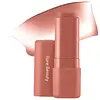
This barrier-repair lip moisturizer is formulated around Bis-Diglyceryl Polyacyladipate-2 and Butyrospermum Parkii Butter to strengthen the lip barrier and hydrate lips.
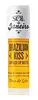
This lip moisturizer is formulated around Cera Alba and Cocos Nucifera Oil to hydrate lips.

What's inside
What's inside
 Key Ingredients
Benefits
Concerns
Ingredients Side-by-side
Bis-Diglyceryl Polyacyladipate-2
Emollient


Caprylic/Capric Triglyceride
Masking

Bis-Behenyl/Isostearyl/Phytosteryl Dimer Dilinoleyl Dimer Dilinoleate
EmollientPhytosteryl/Isostearyl/Cetyl/Stearyl/Behenyl Dimer Dilinoleate
Skin Conditioning
Hydrogenated Castor Oil Dimer Dilinoleate
Skin Conditioning
Synthetic Wax
Abrasive

Glycerin
Humectant
Polyglyceryl-2 Triisostearate
Emulsifying
Microcrystalline Wax
Emulsion StabilisingStearalkonium Hectorite
Gel FormingButyrospermum Parkii Butter
Skin Conditioning

Pyrus Malus Seed Oil
Emollient
Diglyceryl Sebacate/Isopalmitate
EmollientOctyldodecyl Stearoyl Stearate
Emollient
Diisostearyl Malate
EmollientCandida Bombicola/Glucose/Methyl Rapeseedate Ferment
AntimicrobialAroma


Sucrose Tetrastearate Triacetate
Emollient
Ethylene/Propylene Copolymer
Abrasive
Propylene Carbonate
SolventVitis Vinifera Seed Oil
Emollient
Euphorbia Cerifera Wax
Polyglyceryl-4 Isostearate
Emulsifying
Centella Asiatica Leaf Extract
Skin Conditioning

Ricinus Communis Seed Oil
Masking
Tocopheryl Acetate
Antioxidant


Hyaluronic Acid
Humectant
Hydrogenated Castor Oil
Emollient
Caprylyl Glycol
Emollient
Glyceryl Caprylate
EmollientTocopherol
Antioxidant
Helianthus Annuus Seed Oil
Emollient
Polyglyceryl-2 Diisostearate
Emulsifying
Water
Skin ConditioningButylene Glycol
Humectant
Withania Somnifera Root Extract
Skin Conditioning
Vanillin
Masking

Benzyl Benzoate
Antimicrobial
CI 77891
Cosmetic ColorantCI 77491
Cosmetic ColorantCI 77492
Cosmetic ColorantCI 77499
Cosmetic ColorantCI 15850
Cosmetic ColorantBis-Diglyceryl Polyacyladipate-2, Caprylic/Capric Triglyceride, Bis-Behenyl/Isostearyl/Phytosteryl Dimer Dilinoleyl Dimer Dilinoleate, Phytosteryl/Isostearyl/Cetyl/Stearyl/Behenyl Dimer Dilinoleate, Hydrogenated Castor Oil Dimer Dilinoleate, Synthetic Wax, Glycerin, Polyglyceryl-2 Triisostearate, Microcrystalline Wax, Stearalkonium Hectorite, Butyrospermum Parkii Butter, Pyrus Malus Seed Oil, Diglyceryl Sebacate/Isopalmitate, Octyldodecyl Stearoyl Stearate, Diisostearyl Malate, Candida Bombicola/Glucose/Methyl Rapeseedate Ferment, Aroma, Sucrose Tetrastearate Triacetate, Ethylene/Propylene Copolymer, Propylene Carbonate, Vitis Vinifera Seed Oil, Euphorbia Cerifera Wax, Polyglyceryl-4 Isostearate, Centella Asiatica Leaf Extract, Ricinus Communis Seed Oil, Tocopheryl Acetate, Hyaluronic Acid, Hydrogenated Castor Oil, Caprylyl Glycol, Glyceryl Caprylate, Tocopherol, Helianthus Annuus Seed Oil, Polyglyceryl-2 Diisostearate, Water, Butylene Glycol, Withania Somnifera Root Extract, Vanillin, Benzyl Benzoate, CI 77891, CI 77491, CI 77492, CI 77499, CI 15850
Cera Alba
Emollient
Cocos Nucifera Oil
Masking
Helianthus Annuus Seed Oil
Emollient
Olea Europaea Fruit Extract
BleachingGlycine Soja Oil
Emollient
Aroma
Cannabis Sativa Seed Oil
Emollient
Vitis Vinifera Seed Oil
Emollient
Tocopherol
Antioxidant
Euterpe Oleracea Fruit Extract
Theobroma Grandiflorum Seed Butter
Skin Conditioning
Rosmarinus Officinalis Leaf Extract
AntimicrobialSunflower Seed Oil Glycerides
Emollient
Aloe Barbadensis Leaf Juice
Skin Conditioning
Canola Oil
Emollient
Benzyl Benzoate
Antimicrobial
Cera Alba, Cocos Nucifera Oil, Helianthus Annuus Seed Oil, Olea Europaea Fruit Extract, Glycine Soja Oil, Aroma, Cannabis Sativa Seed Oil, Vitis Vinifera Seed Oil, Tocopherol, Euterpe Oleracea Fruit Extract, Theobroma Grandiflorum Seed Butter, Rosmarinus Officinalis Leaf Extract, Sunflower Seed Oil Glycerides, Aloe Barbadensis Leaf Juice, Canola Oil, Benzyl Benzoate
Reviews
Ingredients Explained
These ingredients are found in both products.
Ingredients higher up in an ingredient list are typically present in a larger amount.
Aroma refers to an ingredient, or mixture of ingredients, that impart or mask a flavor.
The name is slightly confusing. This is because INCI associates aroma with flavor instead of smell.
Here is the official definition from the The International Cosmetic Ingredient Dictionary and Handbook:
“Aroma is a term for ingredient labeling used to identify that a product contains a material or combination of materials normally added to a cosmetic to produce or to mask a particular flavor.”
INCI shows the only purpose of aroma to be "flavouring".
However, due to regulation differences, some companies may use aroma in place of parfum.
In Canada, this ingredient only has to be listed in concentrations above 1%.
Learn more about AromaBenzyl Benzoate is usually created from the condensation of benzoic acid and benzyl alcohol. It is used as a preservative, solvent, and has a floral/balsamic scent in large amounts.
As a preservative, Benzyl Benzoate works against bacteria and fungus. It is often used to treat scabies and lice in medicine.
Solvents are used to keep ingredients together in a product. They can help dissolve ingredients to stable bases or help evenly distribute ingredients throughout the product.
Due to its fragrance, Benzyl Benzoate can be sensitizing and may cause contact dermatitis. It is a known EU allergen. We recommend speaking with a professional if you have any concerns.
Benzyl Benzoate can be naturally found in cranberries and peaches.
Learn more about Benzyl BenzoateHelianthus Annuus Seed Oil is a plant oil derived from the seeds of a sunflower.
It is rich in fatty acids, primarily linoleic acid and oleic acid. This gives it emollient and skin conditioning properties.
The reason this ingredient is so effective is because it forms a thin film on the skin that reduces transepidermal water loss (TEWL) while supplying linoleic acid to the stratum corneum to improve barrier strength.
The high linoleic acid content is particularly noteworthy for acne-prone skin.
Research suggests that acne-prone skin tends to be deficient in linoleic acid in sebum. Topical application may help replenish this to support a healthier follicular environment and less comedone-promoting sebum.
One randomized study found sunflower seed oil preserved skin barrier integrity in adult volunteers with and without atopic dermatitis (outperforming olive oil).
This ingredient is well-studied, gentle, and an effective emollient suitable for most skin types.
On fungal acne: This ingredient may not be Fungal acne (Malassezia folliculitis) safe. This is because it contains fatty acids with carbon chain lengths in the C11-C24 range.
Learn more about Helianthus Annuus Seed OilTocopherol is a fat-soluble antioxidant known as Vitamin E.
You'll find this ingredient in the vast majority of skincare (for good reason). It works to neutralize free radicals, or unstable molecules generated by UV exposure, pollution, and other environmental stressors, before they can cause oxidative damage to your skin cells.
Topically applied tocopherol has been shown to protect against UV damage by ramping up the skin's own natural defense enzymes.
It also acts as a skin conditioning agent; some studies show that regular topical use can improve the skin's water-binding capacity over 2-4 weeks.
This ingredient is especially loved for being a team player. When combined with Vitamin C, the photoprotective effect of both ingredients roughly doubles and the combo also helps reduce UV-induced DNA damage.
This ingredient has some brightening potential but it's more of a prevention ingredient than spot-fader. Cell studies show it can slow down melanin production but it's worth noting that it's not the most powerful brightener out there.
In formulations, it also serves as a stabilizer that helps protect other oxidation-prone ingredients from degrading.
Concentrations usually range from 0.1-1% in most leave-on products.
Learn more about TocopherolVitis Vinifera Seed Oil comes from the grape vine. Grape seeds are a byproduct of creating grape juice or wine.
The components of grape seeds have many skin benefits. Research has found it to be antimicrobial and anti-inflammatory. It also contains many potent antioxidants such as Vitamin E , Vitamin C, proanthocyanidins, polyphenols, flavonoids, and anthocyanins. Proanthocyanidin has been shown to help even out skin tone.
Antioxidants help fight free-radical molecules. Free-radical molecules are capable of damaging our cells and other genetic material. Antioxidants help stabilize free-radicals by donating extra electrons. Grape seed extract may help reduce the signs of aging.
The antimicrobial properties of grape seed may help treat acne. However, more research is needed to support this claim.
Grape seed has also been found to help absorb UV rays. Grape seed extract should not replace your sunscreen.
The fatty acids of grape seed oil give it emollient properties. Emollients help soothe and soften your skin by creating a film. This film traps moisture within, keeping your skin hydrated.
Learn more about Vitis Vinifera Seed Oil

