
What's inside
What's inside
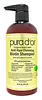 Key Ingredients
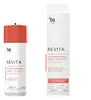
Benefits
Concerns
Ingredients Side-by-side
Aloe Barbadensis Leaf Juice
Skin Conditioning


Decyl Glucoside
Cleansing
Cocamidopropyl Hydroxysultaine
Cleansing
Cocamidopropyl Betaine
Cleansing


Polyquaternium-71
HumectantCocamide Mipa
Emulsifying
Disodium Laureth Sulfosuccinate
CleansingPolyquaternium-80
CleansingDisodium Lauryl Sulfosuccinate
CleansingLactobacillus Ferment
Skin Conditioning
Salix Alba Bark Extract
Astringent

Melaleuca Alternifolia Leaf Oil
Antioxidant




Argania Spinosa Kernel Oil
Emollient
Nigella Sativa Seed Oil
Emollient
Urtica Dioica Leaf Extract
Skin ConditioningGrateloupia Elliptica Extract
Skin ConditioningBiotin
AntiseborrhoeicSerenoa Serrulata Fruit Extract
Skin Conditioning
Cedrus Atlantica Bark Oil
Masking
Rosmarinus Officinalis Leaf Oil
Masking
Salvia Sclarea Oil
Masking
Polygonum Multiflorum Root Extract
Skin ConditioningHibiscus Sabdariffa Flower Extract
Skin ConditioningPrunus Africana Bark Extract
Skin ConditioningCucurbita Pepo Seed Oil
Emollient
Camellia Sinensis Leaf Extract
Antimicrobial


Zinc Pyrithione
Antiseborrhoeic
Soy Isoflavones
Skin ConditioningBeta-Sitosterol
Emulsion Stabilising
Emblica Officinalis Fruit
Skin ConditioningCitrus Limon Peel Oil
Masking
Citrus Grandis Seed Extract
Astringent
Cymbopogon Flexuosus Oil
Masking
Niacin
SmoothingTocopherol
Antioxidant
Sorbitan Oleate Decylglucoside Crosspolymer
CleansingXylityl Sesquicaprylate
Antimicrobial
Citric Acid
Buffering
Aloe Barbadensis Leaf Juice, Decyl Glucoside, Cocamidopropyl Hydroxysultaine, Cocamidopropyl Betaine, Polyquaternium-71, Cocamide Mipa, Disodium Laureth Sulfosuccinate, Polyquaternium-80, Disodium Lauryl Sulfosuccinate, Lactobacillus Ferment, Salix Alba Bark Extract, Melaleuca Alternifolia Leaf Oil, Argania Spinosa Kernel Oil, Nigella Sativa Seed Oil, Urtica Dioica Leaf Extract, Grateloupia Elliptica Extract, Biotin, Serenoa Serrulata Fruit Extract, Cedrus Atlantica Bark Oil, Rosmarinus Officinalis Leaf Oil, Salvia Sclarea Oil, Polygonum Multiflorum Root Extract, Hibiscus Sabdariffa Flower Extract, Prunus Africana Bark Extract, Cucurbita Pepo Seed Oil, Camellia Sinensis Leaf Extract, Zinc Pyrithione, Soy Isoflavones, Beta-Sitosterol, Emblica Officinalis Fruit, Citrus Limon Peel Oil, Citrus Grandis Seed Extract, Cymbopogon Flexuosus Oil, Niacin, Tocopherol, Sorbitan Oleate Decylglucoside Crosspolymer, Xylityl Sesquicaprylate, Citric Acid
Water
Skin ConditioningSodium Lauryl Sulfoacetate
CleansingDisodium Laureth Sulfosuccinate
CleansingSodium Lauroyl Sarcosinate
CleansingCocamidopropyl Hydroxysultaine
Cleansing
Cocamidopropylamine Oxide
Cleansing
Sodium Cocoyl Isethionate
Cleansing
PEG-150 Distearate
Emulsifying
Di-PPG-2 Myreth-10 Adipate
Emollient
Cocamide Mea
Emulsifying
Glycol Distearate
Emollient
Polysorbate 20
Emulsifying
Caffeine
Skin Conditioning
Cinnamidopropyltrimonium Chloride
Glycerin
Humectant
Amodimethicone

C11-15 Pareth-7
EmulsifyingLaureth-9
EmulsifyingTrideceth-12
EmulsifyingHydrolyzed Wheat Protein
Skin ConditioningCaprylyl Glycol
Emollient
Phenoxyethanol
Preservative
Wheat Amino Acids
Skin ConditioningHydrolyzed Soy Protein
Humectant
Dimethyl Sulfone
SolventPolyquaternium-10
Taurine
BufferingAspalathus Linearis Extract
Skin ConditioningParfum
Masking
Benzyl Benzoate
Antimicrobial
Benzyl Cinnamate
Perfuming
Tetrasodium EDTA
ChelatingCitronellol
Perfuming
Hexyl Cinnamal
Perfuming
Linalool
Perfuming
CI 15985
Cosmetic ColorantBiotin
AntiseborrhoeicCalcium Pantothenate
Alcohol Denat. Sd Alcohol 40
Solvent
Tocopherol
Antioxidant
Aesculus Hippocastanum Seed Extract
Skin ConditioningRetinyl Palmitate
Skin Conditioning
Linoleic Acid
Cleansing
PEG-35 Castor Oil
Emulsifying
Inositol
Humectant
Copper Tripeptide-1
Skin Conditioning
CI 14700
Cosmetic ColorantPolyquaternium-11
Arginine
Masking
PEG-12 Dimethicone
Skin Conditioning
Panax Ginseng Root Extract
Emollient
Acetyl Tyrosine
Skin ConditioningArctium Majus Root Extract
Skin Conditioning
Ethylbisiminomethylguaiacol Manganese Chloride
Antioxidant
Niacinamide
Smoothing

Ornithine Hcl
Skin ConditioningZinc Gluconate
Skin Conditioning
Citrulline
Skin ConditioningGlucosamine Hcl
Hydrolyzed Proanthocyanidin
Antioxidant
Citric Acid
Buffering
Water, Sodium Lauryl Sulfoacetate, Disodium Laureth Sulfosuccinate, Sodium Lauroyl Sarcosinate, Cocamidopropyl Hydroxysultaine, Cocamidopropylamine Oxide, Sodium Cocoyl Isethionate, PEG-150 Distearate, Di-PPG-2 Myreth-10 Adipate, Cocamide Mea, Glycol Distearate, Polysorbate 20, Caffeine, Cinnamidopropyltrimonium Chloride, Glycerin, Amodimethicone, C11-15 Pareth-7, Laureth-9, Trideceth-12, Hydrolyzed Wheat Protein, Caprylyl Glycol, Phenoxyethanol, Wheat Amino Acids, Hydrolyzed Soy Protein, Dimethyl Sulfone, Polyquaternium-10, Taurine, Aspalathus Linearis Extract, Parfum, Benzyl Benzoate, Benzyl Cinnamate, Tetrasodium EDTA, Citronellol, Hexyl Cinnamal, Linalool, CI 15985, Biotin, Calcium Pantothenate, Alcohol Denat. Sd Alcohol 40, Tocopherol, Aesculus Hippocastanum Seed Extract, Retinyl Palmitate, Linoleic Acid, PEG-35 Castor Oil, Inositol, Copper Tripeptide-1, CI 14700, Polyquaternium-11, Arginine, PEG-12 Dimethicone, Panax Ginseng Root Extract, Acetyl Tyrosine, Arctium Majus Root Extract, Ethylbisiminomethylguaiacol Manganese Chloride, Niacinamide, Ornithine Hcl, Zinc Gluconate, Citrulline, Glucosamine Hcl, Hydrolyzed Proanthocyanidin, Citric Acid
Reviews
Alternatives
Ingredients Explained
These ingredients are found in both products.
Ingredients higher up in an ingredient list are typically present in a larger amount.
Biotin is a B vitamin that is naturally produced by our bodies. It is also called Vitamin H.
Our bodies use biotin in the metabolism process. It also helps our bodies use enzymes and move nutrients around. A biotin deficiency can lead to brittle hair and nails.
More research is needed on applying biotin topically. However, taking biotin orally has been shown to help nourish the skin, hair, and nails. They play a role in forming skin-hydrating fatty acids.
Biotin is water-soluble. It can be found in foods such as fish, eggs, dairy, nuts, and meat. Vitamin H stands for "haar" and "haut". These are the German words for hair and skin.
Learn more about BiotinCitric Acid is an alpha hydroxy acid (AHA) naturally found in citrus fruits like oranges, lemons, and limes.
Like other AHAs, citric acid can exfoliate skin by breaking down the bonds that hold dead skin cells together. This helps reveal smoother and brighter skin underneath.
However, this exfoliating effect only happens at high concentrations (20%) which can be hard to find in cosmetic products.
Due to this, citric acid is usually included in small amounts as a pH adjuster. This helps keep products slightly more acidic and compatible with skin's natural pH.
In skincare formulas, citric acid can:
While it can provide some skin benefits, research shows lactic acid and glycolic acid are generally more effective and less irritating exfoliants.
Most citric acid used in skincare today is made by fermenting sugars (usually from molasses). This synthetic version is identical to the natural citrus form but easier to stabilize and use in formulations.
Rosacea skin has a lower threshold for acids generally, with 62.5% of rosacea subjects in one study reacting to lactic acid in a sting test. This is why we mark citric acid as a potential rosacea trigger.
However, this ingredient shows up as a pH adjuster or chelator at roughly 0.1-1% in many products. These low levels are unlikely to be an issue for rosacea skin and becomes a potential trigger at exfoliating concentrations (20%). Because everybody's skin is unique, we recommend a patch test if you are unsure.
Learn more about Citric AcidCocamidopropyl Hydroxysultaine is a synthetic cleansing agent, though it is derived from coconut oil.
It is used to enhance the texture of products by boosting lather and thickening the texture. As a cleanser, Cocamidopropyl Hydroxysultaine is mild.
This ingredient is a cleansing agent, surfactant, and foam booster. It considered an alternative to traditional sulfates (Sulfosuccinate) and is allowed in "sulfate-free" products.
According to a manufacturer, this ingredient is mild and can be used in baby and bath options.
Tocopherol is a fat-soluble antioxidant known as Vitamin E.
You'll find this ingredient in the vast majority of skincare (for good reason). It works to neutralize free radicals, or unstable molecules generated by UV exposure, pollution, and other environmental stressors, before they can cause oxidative damage to your skin cells.
Topically applied tocopherol has been shown to protect against UV damage by ramping up the skin's own natural defense enzymes.
It also acts as a skin conditioning agent; some studies show that regular topical use can improve the skin's water-binding capacity over 2-4 weeks.
This ingredient is especially loved for being a team player. When combined with Vitamin C, the photoprotective effect of both ingredients roughly doubles and the combo also helps reduce UV-induced DNA damage.
This ingredient has some brightening potential but it's more of a prevention ingredient than spot-fader. Cell studies show it can slow down melanin production but it's worth noting that it's not the most powerful brightener out there.
In formulations, it also serves as a stabilizer that helps protect other oxidation-prone ingredients from degrading.
Concentrations usually range from 0.1-1% in most leave-on products.
Learn more about Tocopherol

