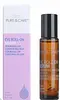
This calming eye moisturizer is formulated around Snail Secretion Filtrate and Hyaluronic Acid to calm redness and hydrate skin.
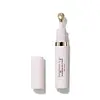
This brightening eye moisturizer is formulated around Caffeine and Niacinamide to brighten dull-looking skin and soften the look of wrinkles.


What's inside
What's inside
 Key Ingredients
Benefits
Concerns
Ingredients Side-by-side
Water
Skin ConditioningPropanediol
Solvent

Snail Secretion Filtrate
Skin Conditioning



Glycerin
Humectant
Corn Gluten Amino Acids
Skin ConditioningButylene Glycol
Humectant
Aloe Barbadensis Leaf Extract
Emollient
Sodium Polyglutamate
HumectantOligopeptide-1
Skin Conditioning



Oligopeptide-2
Skin Conditioning
Oligopeptide-5
Skin Conditioning
Silk Extract
Skin ConditioningCollagen
Moisturising
Hyaluronic Acid
Humectant
Avena Sativa Kernel Extract
Abrasive

Yeast Ferment Extract
Skin ConditioningPolygonum Cuspidatum Root Extract
Antioxidant
Camellia Sinensis Leaf Extract
Antimicrobial


Chamomilla Recutita Flower Extract
Masking
Glycyrrhiza Glabra Root Extract
Bleaching
Rosmarinus Officinalis Leaf Extract
AntimicrobialScutellaria Baicalensis Root Extract
Astringent
Portulaca Oleracea Extract
Skin Conditioning
Centella Asiatica Extract
Cleansing
Sodium Hyaluronate
Humectant
Beta-Glucan
Skin Conditioning
Propylene Glycol
Humectant

Hexylene Glycol
EmulsifyingXanthan Gum
Emulsifying1,2-Hexanediol
Skin Conditioning
Hydroxyacetophenone
Antioxidant
Ethylhexylglycerin
Skin ConditioningPhenoxyethanol
Preservative
Potassium Sorbate
Preservative
Sodium Hydroxide
BufferingWater, Propanediol, Snail Secretion Filtrate, Glycerin, Corn Gluten Amino Acids, Butylene Glycol, Aloe Barbadensis Leaf Extract, Sodium Polyglutamate, Oligopeptide-1, Oligopeptide-2, Oligopeptide-5, Silk Extract, Collagen, Hyaluronic Acid, Avena Sativa Kernel Extract, Yeast Ferment Extract, Polygonum Cuspidatum Root Extract, Camellia Sinensis Leaf Extract, Chamomilla Recutita Flower Extract, Glycyrrhiza Glabra Root Extract, Rosmarinus Officinalis Leaf Extract, Scutellaria Baicalensis Root Extract, Portulaca Oleracea Extract, Centella Asiatica Extract, Sodium Hyaluronate, Beta-Glucan, Propylene Glycol, Hexylene Glycol, Xanthan Gum, 1,2-Hexanediol, Hydroxyacetophenone, Ethylhexylglycerin, Phenoxyethanol, Potassium Sorbate, Sodium Hydroxide
Water
Skin ConditioningButylene Glycol
Humectant
Propanediol
Solvent
Glycerin
Humectant
1,2-Hexanediol
Skin Conditioning
Caffeine
Skin Conditioning
Niacinamide
Smoothing

Dipropylene Glycol
HumectantSodium Hyaluronate
Humectant
Sodium Hyaluronate Crosspolymer
Humectant
Hydrolyzed Hyaluronic Acid
Humectant
Hydroxypropyltrimonium Hyaluronate
Sodium Acetylated Hyaluronate
Humectant
Hyaluronic Acid
Humectant
Copper Tripeptide-1
Skin Conditioning
Tripeptide-1
Skin Conditioning
Palmitoyl Pentapeptide-4
Skin Conditioning
Palmitoyl Tripeptide-1
Skin Conditioning
Hexapeptide-9
Skin Conditioning
Hexapeptide-11
Skin Conditioning
Aloe Barbadensis Leaf Extract
Emollient
Dioscorea Japonica Root Extract
Skin Conditioning
Viola Mandshurica Flower Extract
Antioxidant
Ulmus Davidiana Root Extract
Skin Conditioning
Ascorbic Acid
Antioxidant
Polyglyceryl-10 Laurate
Skin Conditioning
Erythritol
Humectant
Glycereth-26
Humectant
Hydrolyzed Glycosaminoglycans
HumectantCaprylyl Glycol
Emollient
Ethylhexylglycerin
Skin ConditioningPolyglyceryl-4 Caprate
EmulsifyingPolyglyceryl-10 Diisostearate
Emulsifying
Laminaria Japonica Extract
Skin Protecting
Tromethamine
BufferingCarbomer
Emulsion StabilisingC12-14 Alketh-12
EmulsifyingSodium Naphthalenesulfonate
SurfactantC12-13 Alketh-9
EmulsifyingDisodium EDTA
ChelatingBenzyl Glycol
SolventWater, Butylene Glycol, Propanediol, Glycerin, 1,2-Hexanediol, Caffeine, Niacinamide, Dipropylene Glycol, Sodium Hyaluronate, Sodium Hyaluronate Crosspolymer, Hydrolyzed Hyaluronic Acid, Hydroxypropyltrimonium Hyaluronate, Sodium Acetylated Hyaluronate, Hyaluronic Acid, Copper Tripeptide-1, Tripeptide-1, Palmitoyl Pentapeptide-4, Palmitoyl Tripeptide-1, Hexapeptide-9, Hexapeptide-11, Aloe Barbadensis Leaf Extract, Dioscorea Japonica Root Extract, Viola Mandshurica Flower Extract, Ulmus Davidiana Root Extract, Ascorbic Acid, Polyglyceryl-10 Laurate, Erythritol, Glycereth-26, Hydrolyzed Glycosaminoglycans, Caprylyl Glycol, Ethylhexylglycerin, Polyglyceryl-4 Caprate, Polyglyceryl-10 Diisostearate, Laminaria Japonica Extract, Tromethamine, Carbomer, C12-14 Alketh-12, Sodium Naphthalenesulfonate, C12-13 Alketh-9, Disodium EDTA, Benzyl Glycol
Ingredients Explained
These ingredients are found in both products.
Ingredients higher up in an ingredient list are typically present in a larger amount.
1,2-Hexanediol is a synthetic liquid and another multi-functional powerhouse.
It is a:
- Humectant, drawing moisture into the skin
- Emollient, helping to soften skin
- Solvent, dispersing and stabilizing formulas
- Preservative booster, enhancing the antimicrobial activity of other preservatives
Aloe Barbadensis Leaf Extract is a botanical extract pulled from the leaves of aloe vera and one of the most studied plant ingredients in cosmetics.
The inner leaf gel it comes from is mostly water (~99-99.5%) and the remaining fraction is made up of pretty good stuff: polysaccharides, vitamins, phenolics, and enzymes.
Its headline job is hydration.
The star polysaccharide in aloe, acemannan, is a humectant that retains moisture and helps reduce trans-epidermal water loss.
Aloe also has real soothing credentials; it contains anti-inflammatory compounds like bradykinase and C-glucosyl chromone that help calm irritation and redness.
On the repair side, lab work shows that acemannan wakes up your skin's repair cells (fibroblasts), prompting them to multiply and speed up healing.
There's some human data for cosmetic benefit too: a cream containing 10% Aloe Barbadensis leaf extract improved skin hydration and elasticity in a real-use study.
Safety-wise, this ingredient is well-regarded with just one rare downside; there have been some case reports of acute eczema, contact urticaria, and dermatitis in people who applied aloe-derived ingredients topically. Those with a known aloe or Liliaceae sensitivity should patch test.
Typical use levels range widely, from under 1% up to 90%+ depending on the format and the effect you are after.
Learn more about Aloe Barbadensis Leaf ExtractButylene Glycol (or BG) is used within cosmetic products for a few different reasons:
Overall, Butylene Glycol is a safe and well-rounded ingredient that works well with other ingredients.
Though this ingredient works well with most skin types, some people with sensitive skin may experience a reaction such as allergic rashes, closed comedones, or itchiness.
Learn more about Butylene GlycolEthylhexylglycerin is created from glycerin. It is a multitasker ingredient that:
The CIR Expert Panel found minimal skin absorption or sensitization of any kind in a safety assessment. Though this ingredient is considered well-tolerated, a small number of cases of allergic dermatitis have been published since 2002. Just be sure to patch test if you are unsure.
Industry-reported use ranges from 8% in rinse-off products and 2% in leave-on formulations.
Learn more about EthylhexylglycerinGlycerin (or glycerol) is a compound naturally found in your skin. It's a powerhouse humectant that pulls water into the stratum corneum.
Topically, glycerin does several things at once:
Your skin makes glycerin on its own (mostly from sebaceous oil breakdown) and shuttles it to your outermost layer of skin, or your epidermis, via aquaporin-3.
Aquaporin-3 is a transporter that is essential for normal skin hydration, elasticity, and repair. Interestingly, mice lacking in AQP3 have dry and less elastic skin that can be fully corrected with glycerin.
This ingredient is non-irritating, plays well with almost every ingredient, and works across all skin types. Typical use is anywhere between 3-10% but can go up to 79% in some leave-on products.
Just know very high concentrations (>40%) can feel tacky in low humidity.
Glycerin is the name for this ingredient in American English. British English uses Glycerol/Glycerine.
Learn more about GlycerinHyaluronic acid (HA) is a glycosaminoglycan (basically a long sugar chain) that your skin already makes on its own. In your skin, HA lives in the extracellular matrix and acts as the body's moisture reservoir.
Topically, HA is a humectant that binds water and helps skin look more plump, smooth, and hydrated.
The only catch is that HA isn't a single thing; it actually comes in a wide range of molecular weights (~50 - 2,000+ kDA) and size matters.
Some clinical evidence links low molecular weight versions to improved wrinkle depth, elasticity, anti-inflammatory effects, and barrier repair.
This is why the best HA serums blend the two sizes together so you get the best of both worlds.
The majority of cosmetic HA is produced by bacterial fermentation, typically using Streptococcus or Bacillus strains. Typical use levels in skincare sit around 0.1-2%.
A clinical study using a 0.2% low-molecular weight HA gel showed improvement in facial seborrheic dermatitis with excellent tolerance.
These are some other common types of Hyaluronic Acid:
Learn more about Hyaluronic AcidPropanediol is an all-star ingredient. It softens, hydrates, and smooths the skin.
It’s often used to:
Propanediol is not likely to cause sensitivity and considered safe to use. It is derived from corn or petroleum with a clear color and no scent.
Learn more about PropanediolSodium Hyaluronate is the salt form of hyaluronic acid. It is a long sugar chain that is naturally found in your skin, joints, and connective tissue that maintains hydration and elasticity.
In skincare, it works as a humectant. It pulls water from the environment and deeper layers of skin and binds it to the surface.
Interestingly, the size of the molecule affects its behavior:
Some clinical evidence links low molecular weight versions to improved wrinkle depth, elasticity, anti-inflammatory effects, and barrier repair.
Many serums use a blend of both weights so you can get surface hydration plus longer-lasting and deeper effects.
You'll typically see concentrations between 0.1-2% for this ingredient.
Learn more about Sodium HyaluronateWater. It's the most common cosmetic ingredient of all. You'll usually see it at the top of ingredient lists, meaning that it makes up the largest part of the product.
So why is it so popular? Water most often acts as a solvent - this means that it helps dissolve other ingredients into the formulation.
You'll also recognize water as that liquid we all need to stay alive. If you see this, drink a glass of water. Remember to stay hydrated!
Learn more about Water

