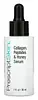
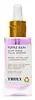
PrescriptSkin Collagen, Peptides, and Honey Serum Versus Truly Purple Rain Glow Serum Facial + Body Booster
This anti-aging serum is formulated around Honey and Palmitoyl Tripeptide-5 to soften the look of wrinkles and hydrate skin.
This smoothing serum is formulated around Sclerocarya Birrea Seed Oil and Glycolic Acid to refine skin texture and hydrate skin.

What's inside
What's inside
 Key Ingredients
Benefits
Concerns
Ingredients Side-by-side
Water
Skin ConditioningPolysorbate 20
Emulsifying

Hydrolyzed Collagen
Emollient

Honey
Humectant
Palmitoyl Tripeptide-5
Skin Conditioning

Palmitoyl Tripeptide-1
Skin Conditioning
Palmitoyl Tetrapeptide-7
Skin Conditioning
Glycerin
Humectant
Curcuma Longa Root Extract
Antioxidant

Centella Asiatica Leaf Extract
Skin Conditioning

Panthenol
Skin Conditioning
Ascorbic Acid
Antioxidant


Cucumis Sativus Seed Extract
Skin ConditioningDaucus Carota Sativa Root Extract
Skin Conditioning
Melia Azadirachta Leaf Extract
Skin ConditioningMelia Azadirachta Flower Extract
Skin ConditioningSodium Hydroxide
BufferingCorallina Officinalis Extract
Skin Conditioning

Carum Petroselinum Extract
Skin ConditioningEuphrasia Officinalis Extract
AntimicrobialCoccinia Indica Fruit Extract
Skin Conditioning
Aloe Barbadensis Flower Extract
EmollientSolanum Melongena Fruit Extract
Skin ConditioningOcimum Basilicum Flower/Leaf Extract
TonicOcimum Sanctum Leaf Extract
Skin ConditioningButylene Glycol
Humectant
PEG-40 Hydrogenated Castor Oil
Emulsifying
Hydroxyethylcellulose
Emulsion StabilisingTocopheryl Acetate
Antioxidant
Retinyl Palmitate
Skin Conditioning
Carbomer
Emulsion StabilisingEthylhexylglycerin
Skin ConditioningPhenoxyethanol
Preservative
Parfum
Masking

Water, Polysorbate 20, Hydrolyzed Collagen, Honey, Palmitoyl Tripeptide-5, Palmitoyl Tripeptide-1, Palmitoyl Tetrapeptide-7, Glycerin, Curcuma Longa Root Extract, Centella Asiatica Leaf Extract, Panthenol, Ascorbic Acid, Cucumis Sativus Seed Extract, Daucus Carota Sativa Root Extract, Melia Azadirachta Leaf Extract, Melia Azadirachta Flower Extract, Sodium Hydroxide, Corallina Officinalis Extract, Carum Petroselinum Extract, Euphrasia Officinalis Extract, Coccinia Indica Fruit Extract, Aloe Barbadensis Flower Extract, Solanum Melongena Fruit Extract, Ocimum Basilicum Flower/Leaf Extract, Ocimum Sanctum Leaf Extract, Butylene Glycol, PEG-40 Hydrogenated Castor Oil, Hydroxyethylcellulose, Tocopheryl Acetate, Retinyl Palmitate, Carbomer, Ethylhexylglycerin, Phenoxyethanol, Parfum
Caprylic/Capric Triglyceride
Masking
Sclerocarya Birrea Seed Oil
Humectant
Adansonia Digitata Seed Oil
Emollient
Eclipta Prostrata Extract
Skin Conditioning
Simmondsia Chinensis Seed Oil
Emollient
Tocopheryl Acetate
Antioxidant
Euterpe Oleracea Fruit Extract
Melia Azadirachta Flower Extract
Skin ConditioningCoccinia Indica Fruit Extract
Skin Conditioning
Beta Vulgaris Root Extract
Skin ConditioningSolanum Melongena Fruit Extract
Skin ConditioningAloe Barbadensis Flower Extract
EmollientOcimum Sanctum Leaf Extract
Skin ConditioningOcimum Basilicum Flower/Leaf Extract
TonicPEG-40 Hydrogenated Castor Oil
Emulsifying
Melia Azadirachta Leaf Extract
Skin ConditioningGlycolic Acid
Buffering




Glycerin
Humectant
Water
Skin ConditioningPolysorbate 20
Emulsifying
Retinol
Skin Conditioning
Moringa Oleifera Seed Oil
Emollient
CI 17200
Cosmetic ColorantCI 60725
Cosmetic ColorantCaprylic/Capric Triglyceride, Sclerocarya Birrea Seed Oil, Adansonia Digitata Seed Oil, Eclipta Prostrata Extract, Simmondsia Chinensis Seed Oil, Tocopheryl Acetate, Euterpe Oleracea Fruit Extract, Melia Azadirachta Flower Extract, Coccinia Indica Fruit Extract, Beta Vulgaris Root Extract, Solanum Melongena Fruit Extract, Aloe Barbadensis Flower Extract, Ocimum Sanctum Leaf Extract, Ocimum Basilicum Flower/Leaf Extract, PEG-40 Hydrogenated Castor Oil, Melia Azadirachta Leaf Extract, Glycolic Acid, Glycerin, Water, Polysorbate 20, Retinol, Moringa Oleifera Seed Oil, CI 17200, CI 60725
Ingredients Explained
These ingredients are found in both products.
Ingredients higher up in an ingredient list are typically present in a larger amount.
Aloe Barbadensis Flower Extract is the extract from the flowers of the aloe vera plant. In cosmetics, it functions as a skin conditioning agent.
Here's the honest part: most of the famous "aloe" research is on the leaf and this flower extract is much less studied. It shouldn't be assumed to do everything the gel is known for.
However, there is a small body of flower-specific research that is interesting to take a look at.
The flowers of Aloe vera contain volatile compounds and ascorbic acid. And when researchers looked closer, they found the flower is rich in antioxidants called phenolics that lined up with the extract's strong antioxidant activity.
This extract also showed some ability to fight off a common bacteria (Pseudomonas aeruginosa) in lab tests.
In lab and mouse studies, those phenolic compounds behaved like solid antioxidants though human skin trials on the flower extract are still needed.
Safety-wise, this ingredient is pretty assuring. The CIR Expert Panel deems this ingredient safe in current practices of use and only rare cases of acute eczema, contact urticaria, and dermatitis have been reported.
Learn more about Aloe Barbadensis Flower ExtractCoccinia Indica Fruit Extract is also known as Ivy Gourd Fruit Extract. It has skin conditioning properties.
The fruit is rich in flavonoids, phenolic acids, terpenoids, and sterols that show antioxidant and anti-inflammatory effect in vitro. This is because the fruit contains a thick mucilage that forms a protective and soothing layer on the skin's surface.
The extract itself has demonstrated antioxidant, soothing, and potential anti-allergy properties.
Most of this research is done in vitro and dedicated clinical studies on topical application are still limited.
Learn more about Coccinia Indica Fruit ExtractGlycerin (or glycerol) is a compound naturally found in your skin. It's a powerhouse humectant that pulls water into the stratum corneum.
Topically, glycerin does several things at once:
Your skin makes glycerin on its own (mostly from sebaceous oil breakdown) and shuttles it to your outermost layer of skin, or your epidermis, via aquaporin-3.
Aquaporin-3 is a transporter that is essential for normal skin hydration, elasticity, and repair. Interestingly, mice lacking in AQP3 have dry and less elastic skin that can be fully corrected with glycerin.
This ingredient is non-irritating, plays well with almost every ingredient, and works across all skin types. Typical use is anywhere between 3-10% but can go up to 79% in some leave-on products.
Just know very high concentrations (>40%) can feel tacky in low humidity.
Glycerin is the name for this ingredient in American English. British English uses Glycerol/Glycerine.
Learn more about GlycerinMelia Azadirachta Flower Extract is from the Neem tree. Neem trees originate from India.
Melia Azadirachta Flower Extract contains antioxidants. Antioxidants help fight free-radicals. Free-radicals are molecules that may damage your skin cells, such as pollution.
The flowers of this tree are lilac colored.
Learn more about Melia Azadirachta Flower ExtractThis ingredient is also known as neem leaf extract. It contains natural compounds like nimbidin, quercetin, and other polyphenols that give it antibacterial, antifungal, and anti-inflammatory activity.
Lab studies have shown neem leaf extract can inhibit acne-related bacteria and help calm skin. Animal studies on wound gels using 1-3% neem leaf extract found it sped up healing without causing irritation.
A wound-healing study testing gels with the extract at 1%, 2%, and 3% concentrations and found none of them irritated the skin.
Most commercial products also use it in a similar low range (typically under 5%).
Allergy-wise, there are some case reports on neem oil causing allergic contact dermatitis so people with plant/botanical sensitivities may want to patch test first.
Learn more about Melia Azadirachta Leaf ExtractWe don't have a description for Ocimum Basilicum Flower/Leaf Extract yet.
Ocimum Sanctum Leaf Extract comes from the Holy Basil plant. Holy Basil is native to India.
Holy Basil is rich in antioxidants due to its high romarinic acid, ferulic acid, and rutin content. This gives it skin brightening and soothing properties.
While Holy Basil has many claims to help fight acne, more research is needed.
One thing to note is the presence of tannins; tannins are naturally found in nature. However, this compound may be skin-sensitizing.
Learn more about Ocimum Sanctum Leaf ExtractPEG-40 Hydrogenated Castor Oil is an emulsifier derived from castor oil.
As an emulsifying agent, it helps other ingredients like fragrances and fat-soluble vitamins dissolve cohesively.
Due to its large molecule size, it doesn't penetrate beyond the skin's surface.
This ingredient has a solid regulatory track record; the CIR Expert Panel first concluded it was safe for use in cosmetics at concentrations up to 100% in 1997. A 2012 reassessment reaffirmed that finding. Safety studies have also found no irritation or evidence of toxicity.
A 2019 study did find this ingredient to grow Malassezia, so this ingredient may not be fungal acne safe.
Learn more about PEG-40 Hydrogenated Castor OilPolysorbate 20 is a gentle, water-soluble emulsifier and mild surfactant. It stops oil and water from separating to keep your formulas blended and stable.
It also acts as a mild penetration enhancer by helping active ingredients absorb slightly better.
The common safety discussion around this ingredient involves a manufacturing byproduct called 1,4-dioxane.
Trace amounts can form during production but the EU's Scientific Committee on Consumer Safety has concluded that levels at/below 10 ppm in finished products are safe (commercial products consistently fall within acceptable margins).
True allergic reactions are uncommon and the CIR Expert Panel has confirmed this ingredient to be safe as used in cosmetics.
Because it is derived from lauric acid, it may not be fungal acne safe.
Learn more about Polysorbate 20This ingredient comes from eggplant (or aubergine). It has skin conditioning properties due to its abundance of antioxidants like Chlorogenic Acid, Caffeic Acid, and Nasunin.
Nasunin is the pigment concentrated in the purple peel and has demonstrated the abilityu to neutralize free radicals and bind excess iron in lab studies.
Lab studies have shown that eggplant extracts can lower oxidative stress and protect skin cell membranes from damage. A 2025 study found that specific compounds in eggplant (particularly a phenolamide called N-Trans-Feruloylputrescine) may support skin health by neutralizing 2-nonenal, a byproduct linked to aging skin.
Overall, this is a gentle, well-tolerated ingredient that adds a little extra antioxidant support to your routine.
Those with nighshade vegetable allergies (tomatoes, peppers, potatoes) should patch test as eggplant is part of the same family.
Learn more about Solanum Melongena Fruit ExtractTocopheryl Acetate is a stable, shelf-friendly form of vitamin E.
Formulators love it because plain vitamin E oxidizes quickly once it hits air. This acetate version stays stable and resists going off, helping to extend a product's shelf life.
It's actually inactive on its own and works like a slow-release "storage" form; the enzymes in your skin called esterases gradually convert it into active vitamin E over time.
One in vivo study showed 5% of the acetate in the living layer of the epidermis converted to vitamin E after 5 days of application. This study also found the skin gained protection against UV damage even though the conversion was slow and small.
Once converted, vitamin E acts as a skin's main fat-soluble antioxidant that fights free radicals to protect skin from damage.
Topical vitamin E generally boosts the skin's photoprotection, and it reduced UV-damage in animal models.
This ingredient has some brightening potential but it's more of a prevention ingredient than spot-fader. Cell studies show it can slow down melanin production but it's worth noting that it's not the most powerful brightener out there.
Overall, it has a pretty solid safety profile and has been found to be non-irritating and non-comedogenic. Allergic reactions may happen but stay rare due to how widely the ingredient gets used.
The concentration will vary depending on the formula; industry data shows 0.1% in baby lotions, 3% in lipsticks, and 5% in foot powders. You can also find this ingredient at 100% in a pure vitamin E oil.
Most leave-on skincare keeps it at the lower end, often between 0.5-1%.
Learn more about Tocopheryl AcetateWater. It's the most common cosmetic ingredient of all. You'll usually see it at the top of ingredient lists, meaning that it makes up the largest part of the product.
So why is it so popular? Water most often acts as a solvent - this means that it helps dissolve other ingredients into the formulation.
You'll also recognize water as that liquid we all need to stay alive. If you see this, drink a glass of water. Remember to stay hydrated!
Learn more about Water

