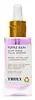
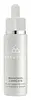
Truly Purple Rain Glow Serum Facial + Body Booster Versus Cosmedix Bakuchiol Complete Plant-based Retinol Alternative Serum
This smoothing serum is formulated around Sclerocarya Birrea Seed Oil and Glycolic Acid to refine skin texture and hydrate skin.

What's inside
What's inside
 Key Ingredients
Benefits
Concerns
Ingredients Side-by-side
Caprylic/Capric Triglyceride
Masking


Sclerocarya Birrea Seed Oil
Humectant




Adansonia Digitata Seed Oil
Emollient
Eclipta Prostrata Extract
Skin Conditioning
Simmondsia Chinensis Seed Oil
Emollient
Tocopheryl Acetate
Antioxidant


Euterpe Oleracea Fruit Extract
Melia Azadirachta Flower Extract
Skin ConditioningCoccinia Indica Fruit Extract
Skin Conditioning
Beta Vulgaris Root Extract
Skin ConditioningSolanum Melongena Fruit Extract
Skin ConditioningAloe Barbadensis Flower Extract
EmollientOcimum Sanctum Leaf Extract
Skin ConditioningOcimum Basilicum Flower/Leaf Extract
TonicPEG-40 Hydrogenated Castor Oil
Emulsifying
Melia Azadirachta Leaf Extract
Skin ConditioningGlycolic Acid
Buffering








Glycerin
Humectant
Water
Skin ConditioningPolysorbate 20
Emulsifying
Retinol
Skin Conditioning
Moringa Oleifera Seed Oil
Emollient
CI 17200
Cosmetic ColorantCI 60725
Cosmetic ColorantCaprylic/Capric Triglyceride, Sclerocarya Birrea Seed Oil, Adansonia Digitata Seed Oil, Eclipta Prostrata Extract, Simmondsia Chinensis Seed Oil, Tocopheryl Acetate, Euterpe Oleracea Fruit Extract, Melia Azadirachta Flower Extract, Coccinia Indica Fruit Extract, Beta Vulgaris Root Extract, Solanum Melongena Fruit Extract, Aloe Barbadensis Flower Extract, Ocimum Sanctum Leaf Extract, Ocimum Basilicum Flower/Leaf Extract, PEG-40 Hydrogenated Castor Oil, Melia Azadirachta Leaf Extract, Glycolic Acid, Glycerin, Water, Polysorbate 20, Retinol, Moringa Oleifera Seed Oil, CI 17200, CI 60725
Helianthus Annuus Seed Oil
Emollient
Coco-Caprylate/Caprate
Emollient
Simmondsia Chinensis Seed Oil
Emollient
Squalane
Emollient
Bakuchiol
Antimicrobial
Tocopheryl Acetate
Antioxidant
Eclipta Prostrata Extract
Skin Conditioning
Melia Azadirachta Leaf Extract
Skin ConditioningMelia Azadirachta Flower Extract
Skin ConditioningCorallina Officinalis Extract
Skin Conditioning
Coccinia Indica Fruit Extract
Skin Conditioning
Moringa Oleifera Seed Oil
Emollient
Solanum Melongena Fruit Extract
Skin ConditioningAloe Barbadensis Flower Extract
EmollientCurcuma Longa Root Extract
Antioxidant
Ocimum Basilicum Flower/Leaf Extract
TonicOcimum Sanctum Leaf Extract
Skin ConditioningHelianthus Annuus Seed Oil, Coco-Caprylate/Caprate, Simmondsia Chinensis Seed Oil, Squalane, Bakuchiol, Tocopheryl Acetate, Eclipta Prostrata Extract, Melia Azadirachta Leaf Extract, Melia Azadirachta Flower Extract, Corallina Officinalis Extract, Coccinia Indica Fruit Extract, Moringa Oleifera Seed Oil, Solanum Melongena Fruit Extract, Aloe Barbadensis Flower Extract, Curcuma Longa Root Extract, Ocimum Basilicum Flower/Leaf Extract, Ocimum Sanctum Leaf Extract
Ingredients Explained
These ingredients are found in both products.
Ingredients higher up in an ingredient list are typically present in a larger amount.
Aloe Barbadensis Flower Extract is the extract from the flowers of the aloe vera plant. In cosmetics, it functions as a skin conditioning agent.
Here's the honest part: most of the famous "aloe" research is on the leaf and this flower extract is much less studied. It shouldn't be assumed to do everything the gel is known for.
However, there is a small body of flower-specific research that is interesting to take a look at.
The flowers of Aloe vera contain volatile compounds and ascorbic acid. And when researchers looked closer, they found the flower is rich in antioxidants called phenolics that lined up with the extract's strong antioxidant activity.
This extract also showed some ability to fight off a common bacteria (Pseudomonas aeruginosa) in lab tests.
In lab and mouse studies, those phenolic compounds behaved like solid antioxidants though human skin trials on the flower extract are still needed.
Safety-wise, this ingredient is pretty assuring. The CIR Expert Panel deems this ingredient safe in current practices of use and only rare cases of acute eczema, contact urticaria, and dermatitis have been reported.
Learn more about Aloe Barbadensis Flower ExtractCoccinia Indica Fruit Extract is also known as Ivy Gourd Fruit Extract. It has skin conditioning properties.
The fruit is rich in flavonoids, phenolic acids, terpenoids, and sterols that show antioxidant and anti-inflammatory effect in vitro. This is because the fruit contains a thick mucilage that forms a protective and soothing layer on the skin's surface.
The extract itself has demonstrated antioxidant, soothing, and potential anti-allergy properties.
Most of this research is done in vitro and dedicated clinical studies on topical application are still limited.
Learn more about Coccinia Indica Fruit ExtractThis ingredient is also known as Bhringaraj extract or False Daisy. It is a skin conditioning ingredient that keeps skin soft and hydrated.
Research shows it has antioxidant properties; lab studies have found it can protect skin cells from UV-induced damage and help suppress inflammation.
There's also some interesting research on its potential to support hair growth by promoting the growth phase of the hair cycle.
Those with an allergy to plants in the daisy family may want to patch test this ingredient. This ingredient is generally well-tolerated otherwise.
Learn more about Eclipta Prostrata ExtractMelia Azadirachta Flower Extract is from the Neem tree. Neem trees originate from India.
Melia Azadirachta Flower Extract contains antioxidants. Antioxidants help fight free-radicals. Free-radicals are molecules that may damage your skin cells, such as pollution.
The flowers of this tree are lilac colored.
Learn more about Melia Azadirachta Flower ExtractThis ingredient is also known as neem leaf extract. It contains natural compounds like nimbidin, quercetin, and other polyphenols that give it antibacterial, antifungal, and anti-inflammatory activity.
Lab studies have shown neem leaf extract can inhibit acne-related bacteria and help calm skin. Animal studies on wound gels using 1-3% neem leaf extract found it sped up healing without causing irritation.
A wound-healing study testing gels with the extract at 1%, 2%, and 3% concentrations and found none of them irritated the skin.
Most commercial products also use it in a similar low range (typically under 5%).
Allergy-wise, there are some case reports on neem oil causing allergic contact dermatitis so people with plant/botanical sensitivities may want to patch test first.
Learn more about Melia Azadirachta Leaf ExtractMoringa Oleifera Seed Oil is a lightweight oil from the seeds of the Moringa oleifera tree. In cosmetics, it's an emollient that forms a light film to slow water loss and soften skin.
Its fatty acid composition is dominated by oleic acid (70-78%), with smaller amounts of behenic, palmitic, and stearic acids (this profile is actually pretty similar to olive oil).
Notably, this ingredient is oxidatively stable for an oil and resists going rancid as fast as other oils.
A small, in vivo study on 32 participants found a cream with this ingredient increased skin hydration with no reported skin irritation. It also found the tocopherol content gave it some antioxidant activity as well.
Because this oil is so high in oleic acid, Malassezia can use it as a food source and this ingredient may not be fungal acne safe.
For everyone else, this ingredient is well-tolerated and nourishing with a good safety track record.
This ingredient shows up on a lot of "pore-clogging" lists but there's no real evidence behind that. It doesn't even have a comedogenic rating from an actual study; the numbers you'll find online come from blogs citing other blogs.
Ratings for other ingredients mostly come from a 1980s rabbit ear test. This test doesn't translate well to human skin or to real products because the ingredient sits at a much lower percentage.
Some people still find it breaks them out. So if that's you, definitely trust your skin.
Learn more about Moringa Oleifera Seed OilWe don't have a description for Ocimum Basilicum Flower/Leaf Extract yet.
Ocimum Sanctum Leaf Extract comes from the Holy Basil plant. Holy Basil is native to India.
Holy Basil is rich in antioxidants due to its high romarinic acid, ferulic acid, and rutin content. This gives it skin brightening and soothing properties.
While Holy Basil has many claims to help fight acne, more research is needed.
One thing to note is the presence of tannins; tannins are naturally found in nature. However, this compound may be skin-sensitizing.
Learn more about Ocimum Sanctum Leaf ExtractJojoba oil is one of the most well-studied plant-derived ingredients in cosmetics. It is an emollient with a special structure.
Because it is made up of 97-98% wax esters, it closely mirrors the linear monoesters found in human sebum. This makes it skin compatible, non-greasy, and lightweight.
Unlike other plant oils, jojoba wax doesn't easily penetrate skin. It mostly works in the uppermost layers as an emollient. This just means it forms a light barrier on the skin to help retain moisture.
Formulations with jojoba esters up to 90% reduced transepidermal water loss (TEWL) and increased barrier recovery by 81% (outperforming bisabolol at 47%).
Besides barrier support, the science also suggests jojoba to have anti-inflammatory effects and potential applications for skin infections, aging, and wound healing.
Fun fact: Indigenous cultures have used jojoba as a moisturizer and to help treat burns for centuries.
Fungal acne: The Malassezia yeast is known to metabolize fatty acids in the C11-24 range and jojoba's dominant fatty acid components fall into this range. This ingredient may not be fungal acne safe.
Learn more about Simmondsia Chinensis Seed OilThis ingredient comes from eggplant (or aubergine). It has skin conditioning properties due to its abundance of antioxidants like Chlorogenic Acid, Caffeic Acid, and Nasunin.
Nasunin is the pigment concentrated in the purple peel and has demonstrated the abilityu to neutralize free radicals and bind excess iron in lab studies.
Lab studies have shown that eggplant extracts can lower oxidative stress and protect skin cell membranes from damage. A 2025 study found that specific compounds in eggplant (particularly a phenolamide called N-Trans-Feruloylputrescine) may support skin health by neutralizing 2-nonenal, a byproduct linked to aging skin.
Overall, this is a gentle, well-tolerated ingredient that adds a little extra antioxidant support to your routine.
Those with nighshade vegetable allergies (tomatoes, peppers, potatoes) should patch test as eggplant is part of the same family.
Learn more about Solanum Melongena Fruit ExtractTocopheryl Acetate is a stable, shelf-friendly form of vitamin E.
Formulators love it because plain vitamin E oxidizes quickly once it hits air. This acetate version stays stable and resists going off, helping to extend a product's shelf life.
It's actually inactive on its own and works like a slow-release "storage" form; the enzymes in your skin called esterases gradually convert it into active vitamin E over time.
One in vivo study showed 5% of the acetate in the living layer of the epidermis converted to vitamin E after 5 days of application. This study also found the skin gained protection against UV damage even though the conversion was slow and small.
Once converted, vitamin E acts as a skin's main fat-soluble antioxidant that fights free radicals to protect skin from damage.
Topical vitamin E generally boosts the skin's photoprotection, and it reduced UV-damage in animal models.
This ingredient has some brightening potential but it's more of a prevention ingredient than spot-fader. Cell studies show it can slow down melanin production but it's worth noting that it's not the most powerful brightener out there.
Overall, it has a pretty solid safety profile and has been found to be non-irritating and non-comedogenic. Allergic reactions may happen but stay rare due to how widely the ingredient gets used.
The concentration will vary depending on the formula; industry data shows 0.1% in baby lotions, 3% in lipsticks, and 5% in foot powders. You can also find this ingredient at 100% in a pure vitamin E oil.
Most leave-on skincare keeps it at the lower end, often between 0.5-1%.
Learn more about Tocopheryl Acetate

