Truly Purple Rain Glow Serum Facial + Body Booster Versus Bolden Nightime Repair Serum With 10% Glycolic Acid
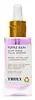
This smoothing serum is formulated around Sclerocarya Birrea Seed Oil and Glycolic Acid to refine skin texture and hydrate skin.
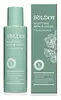
This smoothing serum is formulated around Glycolic Acid and Tetrahexyldecyl Ascorbate to refine skin texture and brighten dull-looking skin.

What's inside
What's inside
 Key Ingredients
Benefits
Concerns
Ingredients Side-by-side
Caprylic/Capric Triglyceride
Masking


Sclerocarya Birrea Seed Oil
Humectant




Adansonia Digitata Seed Oil
Emollient
Eclipta Prostrata Extract
Skin Conditioning
Simmondsia Chinensis Seed Oil
Emollient
Tocopheryl Acetate
Antioxidant


Euterpe Oleracea Fruit Extract
Melia Azadirachta Flower Extract
Skin ConditioningCoccinia Indica Fruit Extract
Skin Conditioning
Beta Vulgaris Root Extract
Skin ConditioningSolanum Melongena Fruit Extract
Skin ConditioningAloe Barbadensis Flower Extract
EmollientOcimum Sanctum Leaf Extract
Skin ConditioningOcimum Basilicum Flower/Leaf Extract
TonicPEG-40 Hydrogenated Castor Oil
Emulsifying
Melia Azadirachta Leaf Extract
Skin ConditioningGlycolic Acid
Buffering








Glycerin
Humectant
Water
Skin ConditioningPolysorbate 20
Emulsifying
Retinol
Skin Conditioning
Moringa Oleifera Seed Oil
Emollient
CI 17200
Cosmetic ColorantCI 60725
Cosmetic ColorantCaprylic/Capric Triglyceride, Sclerocarya Birrea Seed Oil, Adansonia Digitata Seed Oil, Eclipta Prostrata Extract, Simmondsia Chinensis Seed Oil, Tocopheryl Acetate, Euterpe Oleracea Fruit Extract, Melia Azadirachta Flower Extract, Coccinia Indica Fruit Extract, Beta Vulgaris Root Extract, Solanum Melongena Fruit Extract, Aloe Barbadensis Flower Extract, Ocimum Sanctum Leaf Extract, Ocimum Basilicum Flower/Leaf Extract, PEG-40 Hydrogenated Castor Oil, Melia Azadirachta Leaf Extract, Glycolic Acid, Glycerin, Water, Polysorbate 20, Retinol, Moringa Oleifera Seed Oil, CI 17200, CI 60725
Water
Skin ConditioningGlycolic Acid
Buffering
Aminomethyl Propanol
BufferingAloe Barbadensis Leaf Juice
Skin Conditioning
Caprylic/Capric Triglyceride
Masking
Carthamus Tinctorius Seed Oil
Masking
Cetyl Alcohol
Emollient
Dimethicone
Emollient
Glycerin
Humectant
Propanediol
Solvent
Cetearyl Olivate
Methyl Glucose Sesquistearate
Emollient
Cetearyl Alcohol
Emollient
Sorbitan Olivate
Emulsifying
Sodium Magnesium Silicate
Stearic Acid
Cleansing
Phenoxyethanol
Preservative
Sodium Stearoyl Glutamate
CleansingCeteareth-20
Cleansing
Panthenyl Triacetate
Bisabolol
Antioxidant
Xanthan Gum
EmulsifyingEthylhexylglycerin
Skin ConditioningTetrahexyldecyl Ascorbate
Antioxidant
Butylene Glycol
Humectant
Pentylene Glycol
Skin Conditioning
Oryza Sativa Bran Extract
Skin Conditioning
Acetyl Rheum Rhaponticum Root Extract
BleachingHelianthus Annuus Extract
Emollient
Hydroxyphenyl Propamidobenzoic Acid
Skin ConditioningRosmarinus Officinalis Leaf Extract
AntimicrobialTocopherol
Antioxidant
Zingiber Officinale Root Extract
Masking
Arginine
Masking
Parfum
Masking

Water, Glycolic Acid, Aminomethyl Propanol, Aloe Barbadensis Leaf Juice, Caprylic/Capric Triglyceride, Carthamus Tinctorius Seed Oil, Cetyl Alcohol, Dimethicone, Glycerin, Propanediol, Cetearyl Olivate, Methyl Glucose Sesquistearate, Cetearyl Alcohol, Sorbitan Olivate, Sodium Magnesium Silicate, Stearic Acid, Phenoxyethanol, Sodium Stearoyl Glutamate, Ceteareth-20, Panthenyl Triacetate, Bisabolol, Xanthan Gum, Ethylhexylglycerin, Tetrahexyldecyl Ascorbate, Butylene Glycol, Pentylene Glycol, Oryza Sativa Bran Extract, Acetyl Rheum Rhaponticum Root Extract, Helianthus Annuus Extract, Hydroxyphenyl Propamidobenzoic Acid, Rosmarinus Officinalis Leaf Extract, Tocopherol, Zingiber Officinale Root Extract, Arginine, Parfum
Ingredients Explained
These ingredients are found in both products.
Ingredients higher up in an ingredient list are typically present in a larger amount.
Caprylic/Capric Triglyceride (aka MCT Oil) is a lightweight emollient, solvent, and texture enhancer. It is considered a skin-softener by helping to prevent moisture loss.
Though it behaves like an oil, it is not technically one due to its chemical composition. One perk of this ingredient is that it is very stable, resistant to oxidation, and unlikely to go rancid.
In practice, that translates to a long shelf life and a consistently elegant skin feel.
While there is an assumption Caprylic Triglyceride can clog pores due to it being derived from coconut oil, there is no research supporting this. Just patch test if you have concerns.
Fractionated coconut oil and MCT Oil are both listed as Caprylic/Capric Triglyceride according to INCI. This is because INCI names are based on the ingredient’s final chemical composition and not its marketing name or source.
This ingredient is treated as the gold standard fungal acne safe oil. Even though it is coconut derived, the problematic lauric acid is stripped out.
This leaves just caprylic (C8) and capric (C10) acid. These chain lengths actually trend antifungal; a 2020 study found caprylic acid was enough to disrupt Malassezia furfur cell membrane, with a caprylic acid derivative damaging membrane structures at concentrations as low as 0.2%.
Learn more about Caprylic/Capric TriglycerideGlycerin (or glycerol) is a compound naturally found in your skin. It's a powerhouse humectant that pulls water into the stratum corneum.
Topically, glycerin does several things at once:
Your skin makes glycerin on its own (mostly from sebaceous oil breakdown) and shuttles it to your outermost layer of skin, or your epidermis, via aquaporin-3.
Aquaporin-3 is a transporter that is essential for normal skin hydration, elasticity, and repair. Interestingly, mice lacking in AQP3 have dry and less elastic skin that can be fully corrected with glycerin.
This ingredient is non-irritating, plays well with almost every ingredient, and works across all skin types. Typical use is anywhere between 3-10% but can go up to 79% in some leave-on products.
Just know very high concentrations (>40%) can feel tacky in low humidity.
Glycerin is the name for this ingredient in American English. British English uses Glycerol/Glycerine.
Learn more about GlycerinGlycolic Acid is arguably the most famous alpha hydroxy acid (AHA) with tons of research backing its benefits.
It is found naturally in sugar cane but the form used in skincare is usually synthetic for purity and stability.
Glycolic acid removes the top layer of dead skin cells to allow newer and fresher ones to emerge.
AHAs work by breaking down the structural “glue” that holds old skin cells in place. When that buildup is gone, your skin can renew itself more efficiently.
Research also shows glycolic acid stimulates collagen production, helping to firm and thicken the skin over time. This is one of its biggest advantages over other AHAs.
Overall, glycolic acid helps with:
Fun fact: Glycolic acid boosts skin hydration by helping it produce molecules that increase hyaluronic acid naturally.
To work best, glycolic acid products should have a pH between 3-4 (that’s where exfoliation is most effective but still gentle on skin).
The pH and concentration of a product are key to its effectiveness:
It is normal to feel a slight stinging sensation when using glycolic acid. This usually fades as your skin adjusts.
Because glycolic acid has the smallest molecular size in the AHA family, it can penetrate deeper, which enhances its effectiveness but also makes it more likely to irritate sensitive skin.
If your skin is very sensitive or prone to rosacea, glycolic acid may be too strong; in that case, try milder options like lactic acid or a PHA instead.
Recent studies suggest glycolic acid might even help protect against UV damage. But don’t skip sunscreen! Freshly exfoliated skin is more sensitive to the sun.
Glycolic acid is a skincare superstar. It smooths, brightens, hydrates, and firms the skin. Unless you’re highly sensitive, it’s well worth adding to your routine.
Read more about some other popular AHA's here:
Learn more about Glycolic AcidWater. It's the most common cosmetic ingredient of all. You'll usually see it at the top of ingredient lists, meaning that it makes up the largest part of the product.
So why is it so popular? Water most often acts as a solvent - this means that it helps dissolve other ingredients into the formulation.
You'll also recognize water as that liquid we all need to stay alive. If you see this, drink a glass of water. Remember to stay hydrated!
Learn more about Water

