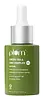
This oil-control serum is formulated around Niacinamide and Zinc PCA to balance excess oil and clear breakouts.
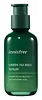
This hydrating serum is formulated around Camellia Sinensis Seed Oil and Panthenol to hydrate skin and calm redness.


What's inside
What's inside
 Key Ingredients
Benefits
Concerns
Ingredients Side-by-side
Water
Skin ConditioningZinc Chloride
AntimicrobialHydrolyzed Wheat Protein
Skin ConditioningCinnamomum Cassia Bark
Skin ConditioningThymus Vulgaris Extract
Perfuming
Malva Sylvestris Flower/Leaf/Stem Extract
Skin ConditioningHamamelis Virginiana Leaf Extract
Skin Conditioning

10-Hydroxydecanoic Acid
Skin ConditioningGlycerin
Humectant


Aloe Barbadensis Leaf Juice
Skin Conditioning

Niacinamide
Smoothing







Ethoxydiglycol
HumectantPentylene Glycol
Skin Conditioning
Rosa Damascena Flower Water
Masking
Zinc PCA
Humectant
Camellia Sinensis Leaf Extract
Antimicrobial
Vaccinium Myrtillus Fruit Extract
Skin ConditioningSaccharum Officinarum Extract
MoisturisingAcer Saccharum Extract
Skin ConditioningHamamelis Virginiana Water
Astringent

Glycyrrhiza Glabra Root Extract
Bleaching
Citrus Aurantium Dulcis Fruit Extract
MaskingCitrus Limon Fruit Extract
Masking
Cyclodextrin
AbsorbentBenzyl Alcohol
Perfuming



Hydroxyacetophenone
Antioxidant
Caprylyl Glycol
Emollient
Sorbitol
Humectant
Xanthan Gum
EmulsifyingHydroxyethylcellulose
Emulsion StabilisingSodium Gluconate
ChelatingSodium Citrate
BufferingWater, Zinc Chloride, Hydrolyzed Wheat Protein, Cinnamomum Cassia Bark, Thymus Vulgaris Extract, Malva Sylvestris Flower/Leaf/Stem Extract, Hamamelis Virginiana Leaf Extract, 10-Hydroxydecanoic Acid, Glycerin, Aloe Barbadensis Leaf Juice, Niacinamide, Ethoxydiglycol, Pentylene Glycol, Rosa Damascena Flower Water, Zinc PCA, Camellia Sinensis Leaf Extract, Vaccinium Myrtillus Fruit Extract, Saccharum Officinarum Extract, Acer Saccharum Extract, Hamamelis Virginiana Water, Glycyrrhiza Glabra Root Extract, Citrus Aurantium Dulcis Fruit Extract, Citrus Limon Fruit Extract, Cyclodextrin, Benzyl Alcohol, Hydroxyacetophenone, Caprylyl Glycol, Sorbitol, Xanthan Gum, Hydroxyethylcellulose, Sodium Gluconate, Sodium Citrate
Water
Skin ConditioningPropanediol
Solvent
Alcohol
Antimicrobial
Glycerin
Humectant
Betaine
Humectant
1,2-Hexanediol
Skin Conditioning
Saccharide Isomerate
Humectant
Camellia Sinensis Seed Oil
Humectant

Cetearyl Olivate
Hydrogenated Lecithin
Emulsifying
Sorbitan Olivate
Emulsifying
Acrylates/C10-30 Alkyl Acrylate Crosspolymer
Emulsion StabilisingParfum
Masking
Panthenol
Skin Conditioning
Hydroxyethyl Acrylate/Sodium Acryloyldimethyl Taurate Copolymer
Emulsion StabilisingTromethamine
BufferingCeratonia Siliqua Gum
EmollientEthylhexylglycerin
Skin ConditioningDisodium EDTA
ChelatingCamellia Sinensis Leaf Extract
Antimicrobial
Dextrin
AbsorbentTheobroma Cacao Extract
Skin ConditioningSorbitan Isostearate
Emulsifying
Sodium Citrate
BufferingCitric Acid
Buffering
Sucrose
Humectant
Water, Propanediol, Alcohol, Glycerin, Betaine, 1,2-Hexanediol, Saccharide Isomerate, Camellia Sinensis Seed Oil, Cetearyl Olivate, Hydrogenated Lecithin, Sorbitan Olivate, Acrylates/C10-30 Alkyl Acrylate Crosspolymer, Parfum, Panthenol, Hydroxyethyl Acrylate/Sodium Acryloyldimethyl Taurate Copolymer, Tromethamine, Ceratonia Siliqua Gum, Ethylhexylglycerin, Disodium EDTA, Camellia Sinensis Leaf Extract, Dextrin, Theobroma Cacao Extract, Sorbitan Isostearate, Sodium Citrate, Citric Acid, Sucrose
Reviews
Ingredients Explained
These ingredients are found in both products.
Ingredients higher up in an ingredient list are typically present in a larger amount.
Camellia Sinensis Leaf Extract (tea extract) is one of the most well-researched plant extracts in skincare with an impressive resume.
Black tea, green tea, and oolong tea are all harvested from the Camellia Sinensis plant.
Studies show green tea extract and its catechins (like epigallocatechin gallate (EGCG)) help your skin cells product energy more efficiently and reducing the number of free-radicals that can damage your skin from the inside.
In lab-grown skin models, this translated to younger, healthier, and stronger skin.
There's also good sun protection data; researchers saw less DNA damage and redness on human skin when green tea was applied before UVB exposure. And the more they applied, the better the protection.
Needless to say, this ingredient shouldn't replace your sunscreen. But it is a great supportive ingredient that you can already find in many sunscreens and antioxidant serums.
A 2009 study found a 2% green tea lotion was effective for mild-to-moderate acne thanks to its anti-inflammatory and mild antimicrobial activity.
The quality of the extract matters a lot here:
Good extracts contain 50-90% catechins while lower quality ones are mostly there for marketing. We recommend reaching out to the brand if you have questions about the quality or source of their ingredients.
Human Repeated Insult Patch Testing showed no irritation or sensitization at use concentrations (0.86% in leave-on products and up to 30% as leaf water).
Learn more about Camellia Sinensis Leaf ExtractGlycerin (or glycerol) is a compound naturally found in your skin. It's a powerhouse humectant that pulls water into the stratum corneum.
Topically, glycerin does several things at once:
Your skin makes glycerin on its own (mostly from sebaceous oil breakdown) and shuttles it to your outermost layer of skin, or your epidermis, via aquaporin-3.
Aquaporin-3 is a transporter that is essential for normal skin hydration, elasticity, and repair. Interestingly, mice lacking in AQP3 have dry and less elastic skin that can be fully corrected with glycerin.
This ingredient is non-irritating, plays well with almost every ingredient, and works across all skin types. Typical use is anywhere between 3-10% but can go up to 79% in some leave-on products.
Just know very high concentrations (>40%) can feel tacky in low humidity.
Glycerin is the name for this ingredient in American English. British English uses Glycerol/Glycerine.
Learn more about GlycerinSodium Citrate is the sodium salts of citric acid. In skincare, it is used to alter pH levels and acts as a preservative.
Its main functions are to maintain the pH of a product and neutralize metal ions.
The acidity of our skin is maintained by our glands and skin biome; normal pH level of skin is slightly acidic (~4.75-5.5).
Being slightly acidic allows our skin to create an "acid mantle". This acid mantle is a thin barrier that protects our skin from bacteria and contaminants.
Learn more about Sodium CitrateWater. It's the most common cosmetic ingredient of all. You'll usually see it at the top of ingredient lists, meaning that it makes up the largest part of the product.
So why is it so popular? Water most often acts as a solvent - this means that it helps dissolve other ingredients into the formulation.
You'll also recognize water as that liquid we all need to stay alive. If you see this, drink a glass of water. Remember to stay hydrated!
Learn more about Water

