Plum Goodness 10% Azelaic Acid And Cica Face Serum Versus Plum Goodness 3% Zinc Complex Face Serum With Green Tea
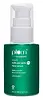
This calming serum is formulated around Azelaic Acid and Centella Asiatica Extract to calm redness and fade the look of dark spots.
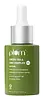
This oil-control serum is formulated around Niacinamide and Zinc PCA to balance excess oil and clear breakouts.

What's inside
What's inside
 Key Ingredients
Benefits
Concerns
No concerns
Ingredients Side-by-side



Water
Skin ConditioningZinc Chloride
AntimicrobialHydrolyzed Wheat Protein
Skin ConditioningCinnamomum Cassia Bark
Skin ConditioningThymus Vulgaris Extract
Perfuming
Malva Sylvestris Flower/Leaf/Stem Extract
Skin ConditioningHamamelis Virginiana Leaf Extract
Skin Conditioning

10-Hydroxydecanoic Acid
Skin ConditioningGlycerin
Humectant


Aloe Barbadensis Leaf Juice
Skin Conditioning

Niacinamide
Smoothing







Ethoxydiglycol
HumectantPentylene Glycol
Skin Conditioning
Rosa Damascena Flower Water
Masking
Zinc PCA
Humectant
Camellia Sinensis Leaf Extract
Antimicrobial
Vaccinium Myrtillus Fruit Extract
Skin ConditioningSaccharum Officinarum Extract
MoisturisingAcer Saccharum Extract
Skin ConditioningHamamelis Virginiana Water
Astringent

Glycyrrhiza Glabra Root Extract
Bleaching
Citrus Aurantium Dulcis Fruit Extract
MaskingCitrus Limon Fruit Extract
Masking
Cyclodextrin
AbsorbentBenzyl Alcohol
Perfuming



Hydroxyacetophenone
Antioxidant
Caprylyl Glycol
Emollient
Sorbitol
Humectant
Xanthan Gum
EmulsifyingHydroxyethylcellulose
Emulsion StabilisingSodium Gluconate
Skin ConditioningSodium Citrate
BufferingWater, Zinc Chloride, Hydrolyzed Wheat Protein, Cinnamomum Cassia Bark, Thymus Vulgaris Extract, Malva Sylvestris Flower/Leaf/Stem Extract, Hamamelis Virginiana Leaf Extract, 10-Hydroxydecanoic Acid, Glycerin, Aloe Barbadensis Leaf Juice, Niacinamide, Ethoxydiglycol, Pentylene Glycol, Rosa Damascena Flower Water, Zinc PCA, Camellia Sinensis Leaf Extract, Vaccinium Myrtillus Fruit Extract, Saccharum Officinarum Extract, Acer Saccharum Extract, Hamamelis Virginiana Water, Glycyrrhiza Glabra Root Extract, Citrus Aurantium Dulcis Fruit Extract, Citrus Limon Fruit Extract, Cyclodextrin, Benzyl Alcohol, Hydroxyacetophenone, Caprylyl Glycol, Sorbitol, Xanthan Gum, Hydroxyethylcellulose, Sodium Gluconate, Sodium Citrate
Ingredients Explained
These ingredients are found in both products.
Ingredients higher up in an ingredient list are typically present in a larger amount.
Ethoxydiglycol (aka Diethylene Glycol Monoethyl Ether) is one of the cosmetic world's quiet problem solvers.
In a formula, it is a solvent that dissolves tricky ingredients that don't want to mix in and helps spread ingredients evenly across your skin without leaving a greasy or sticky feeling
This makes it great for hard-to-dissolve actives like vitamin C, benzoyl peroxide, and self-tanner DHA.
It also has mild humectant and penetration enhancer abilities so it can help some actives absorb a little deeper.
The penetration boost is backed by lab research: studies using human skin samples found it improved how well an active dissolves into the upper layer of skin rather than tearing down your skin barrier. Reviews of its mechanism also describe it interacting gently with the lipids and water in your outermost layer of skin.
Just know this penetration-enhancing effect is not universal. It helps a lot in some formulas and did very little in others (so the benefit really depends on the specific product).
Safety-wise, the evidence is reassuring. The Cosmetic Ingredient Review Expert Panel reviewed it and concluded it's safe for use in cosmetics and recognized it as non-irritating, non-sensitizing, and non-comedogenic in skincare.
Typical leave-on skincare usage lands around 1-10%. The EU has sets caps of 2.6% in non-spray products, 10% in rinse-offs, 7% in oxidative hair dye, and 5% in non-oxidative hair dye.
Learn more about EthoxydiglycolGlycerin (or glycerol) is a compound naturally found in your skin. It's a powerhouse humectant that pulls water into the stratum corneum.
Topically, glycerin does several things at once:
Your skin makes glycerin on its own (mostly from sebaceous oil breakdown) and shuttles it to your outermost layer of skin, or your epidermis, via aquaporin-3.
Aquaporin-3 is a transporter that is essential for normal skin hydration, elasticity, and repair. Interestingly, mice lacking in AQP3 have dry and less elastic skin that can be fully corrected with glycerin.
This ingredient is non-irritating, plays well with almost every ingredient, and works across all skin types. Typical use is anywhere between 3-10% but can go up to 79% in some leave-on products.
Just know very high concentrations (>40%) can feel tacky in low humidity.
Glycerin is the name for this ingredient in American English. British English uses Glycerol/Glycerine.
Learn more about GlycerinNiacinamide is a multitasking form of vitamin B3 that strengthens the skin barrier, reduces pores and dark spots, regulates oil, and improves signs of aging.
And the best part? It's gentle and well-tolerated by most skin types, including sensitive and reactive skin.
You might have heard of "niacin flush", or the reddening of skin that causes itchiness. Niacinamide has not been found to cause this.
In very rare cases, some individuals may not be able to tolerate niacinamide at all or experience an allergic reaction to it.
If you are experiencing flaking, irritation, and dryness with this ingredient, be sure to double check all your products as this ingredient can be found in all categories of skincare.
When incorporating niacinamide into your routine, look out for concentration amounts. Typically, 5% niacinamide provides benefits such as fading dark spots. However, if you have sensitive skin, it is better to begin with a smaller concentration.
When you apply niacinamide to your skin, your body converts it into nicotinamide adenine dinucleotide (NAD). NAD is an essential coenzyme that is already found in your cells as "fuel" and powers countless biological processes.
In your skin, NAD helps repair cell damage, produce new healthy cells, support collagen production, strengthen the skin barrier, and fight environmental stressors (like UV and pollution).
Our natural NAD levels start to decline with age, leading to slower skin repair, visible aging, and a weaker skin barrier. By providing your skin niacinamide, you're recharging your skin's NAD levels. This leads to stronger, healthier, and younger looking skin.
Another name for vitamin B3 is nicotinamide. This vitamin is water-soluble and our bodies don't store it. We obtain Vitamin B3 from either food or skincare. Meat, fish, wheat, yeast, and leafy greens contain vitamin B3.
The type of niacinamide used in skincare is synthetically created.
Learn more about NiacinamideWater. It's the most common cosmetic ingredient of all. You'll usually see it at the top of ingredient lists, meaning that it makes up the largest part of the product.
So why is it so popular? Water most often acts as a solvent - this means that it helps dissolve other ingredients into the formulation.
You'll also recognize water as that liquid we all need to stay alive. If you see this, drink a glass of water. Remember to stay hydrated!
Learn more about WaterXanthan gum is used as a stabilizer and thickener within cosmetic products. It helps give products a sticky, thick feeling - preventing them from being too runny.
On the technical side of things, xanthan gum is a polysaccharide - a combination consisting of multiple sugar molecules bonded together.
Xanthan gum is a pretty common and great ingredient. It is a natural, non-toxic, non-irritating ingredient that is also commonly used in food products.
Learn more about Xanthan Gum

