This wash off mask is made with Cocos Nucifera Water and Centella Asiatica Extract for a rinse-off calming boost.
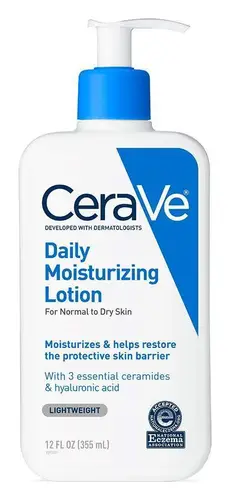
This barrier-repair moisturizer is formulated around Hydrogenated Lecithin and Squalane to strengthen the skin barrier.


What's inside
What's inside
 Key Ingredients
No key ingredients
Benefits
Concerns
Ingredients Side-by-side
Water
Skin ConditioningGlycerin
Humectant


Cocos Nucifera Water
Masking

Arginine
Masking
Simmondsia Chinensis Seed Oil
Emollient


Cocos Nucifera Fruit Extract
Emollient

Centella Asiatica Extract
Cleansing


Anthemis Nobilis Flower Extract
Masking
Avena Sativa Meal Extract
SoothingCamellia Sinensis Leaf Extract
Antimicrobial



Limnanthes Alba Seed Oil
Skin Conditioning
Glycyrrhiza Glabra Root Extract
Bleaching
Hippophae Rhamnoides Extract
MaskingPolygonum Cuspidatum Root Extract
Antioxidant
Theobroma Cacao Seed Extract
Antioxidant
Rosa Canina Fruit Oil
Emollient
Helianthus Annuus Seed Oil
Emollient
Argania Spinosa Kernel Oil
Emollient
Citrus Aurantium Bergamia Fruit Oil
Masking

Olea Europaea Fruit Oil
Masking
Sodium Hyaluronate
Humectant
Citrus Aurantium Dulcis Fruit Extract
MaskingCitrus Grandis Peel Oil
Masking
Lavandula Angustifolia Oil
Masking
Cedrus Atlantica Bark Oil
Masking
Pelargonium Graveolens Flower Oil
Masking
Jasminum Officinale Oil
Masking
Tocopherol
Antioxidant
Myrtus Communis Oil
Masking
Rose Flower Oil
Masking
Ferula Galbaniflua Resin Oil
Antimicrobial
Thuja Occidentalis Leaf Extract
Antioxidant
Vanilla Planifolia Fruit Extract
Skin Conditioning
Carbomer
Emulsion StabilisingPolyester-5
1,2-Hexanediol
Skin Conditioning
Caprylyl Glycol
Emollient
Ethylhexylglycerin
Skin ConditioningCanola Oil
Emollient
Polyglyceryl-10 Stearate
Skin Conditioning
Caprylhydroxamic Acid
ChelatingPhenoxyethanol
Preservative
Linalool
Perfuming
Limonene
Perfuming
Water, Glycerin, Cocos Nucifera Water, Arginine, Simmondsia Chinensis Seed Oil, Cocos Nucifera Fruit Extract, Centella Asiatica Extract, Anthemis Nobilis Flower Extract, Avena Sativa Meal Extract, Camellia Sinensis Leaf Extract, Limnanthes Alba Seed Oil, Glycyrrhiza Glabra Root Extract, Hippophae Rhamnoides Extract, Polygonum Cuspidatum Root Extract, Theobroma Cacao Seed Extract, Rosa Canina Fruit Oil, Helianthus Annuus Seed Oil, Argania Spinosa Kernel Oil, Citrus Aurantium Bergamia Fruit Oil, Olea Europaea Fruit Oil, Sodium Hyaluronate, Citrus Aurantium Dulcis Fruit Extract, Citrus Grandis Peel Oil, Lavandula Angustifolia Oil, Cedrus Atlantica Bark Oil, Pelargonium Graveolens Flower Oil, Jasminum Officinale Oil, Tocopherol, Myrtus Communis Oil, Rose Flower Oil, Ferula Galbaniflua Resin Oil, Thuja Occidentalis Leaf Extract, Vanilla Planifolia Fruit Extract, Carbomer, Polyester-5, 1,2-Hexanediol, Caprylyl Glycol, Ethylhexylglycerin, Canola Oil, Polyglyceryl-10 Stearate, Caprylhydroxamic Acid, Phenoxyethanol, Linalool, Limonene
Water
Skin ConditioningOlea Europaea Fruit Oil
Masking
Glycerin
Humectant
Pentylene Glycol
Skin Conditioning
Olus Oil
Emollient
Elaeis Guineensis Oil
Emollient
Hydrogenated Lecithin
Emulsifying
Squalane
Emollient
Betaine
Humectant
Palmitamide Mea
Foam BoostingSarcosine
Skin Conditioning
Acetamide Mea
Foam BoostingHydroxyethylcellulose
Emulsion StabilisingCarbomer
Emulsion StabilisingSodium Carbomer
Emulsion StabilisingXanthan Gum
Emulsifying
Reviews
Ingredients Explained
These ingredients are found in both products.
Ingredients higher up in an ingredient list are typically present in a larger amount.
Carbomer is a synthetic thickening and gelling agent. It's basically the ingredient that gives a lot of serums, gels, creams, and sunscreens their smooth, non-sticky texture.
Although legally permitted at very high levels, carbomers are normally used at concentrations below 1%.
It also needs to be neutralized to actually thicken, and because it is a large molecule, it doesn't really penetrate the skin barrier.
Allergy-wise, the risk is very low. Clinical studies show carbomers have low potential for skin irritation/sensitization even at concentrations up to 100%.
A 2024 UK study patch-tested 1,302 patients and found true allergy to the parent group of carbomer to be rare with no confirmed relevant reactions.
Learn more about CarbomerGlycerin (or glycerol) is a compound naturally found in your skin. It's a powerhouse humectant that pulls water into the stratum corneum.
Topically, glycerin does several things at once:
Your skin makes glycerin on its own (mostly from sebaceous oil breakdown) and shuttles it to your outermost layer of skin, or your epidermis, via aquaporin-3.
Aquaporin-3 is a transporter that is essential for normal skin hydration, elasticity, and repair. Interestingly, mice lacking in AQP3 have dry and less elastic skin that can be fully corrected with glycerin.
This ingredient is non-irritating, plays well with almost every ingredient, and works across all skin types. Typical use is anywhere between 3-10% but can go up to 79% in some leave-on products.
Just know very high concentrations (>40%) can feel tacky in low humidity.
Glycerin is the name for this ingredient in American English. British English uses Glycerol/Glycerine.
Learn more about GlycerinThis ingredient is also known as olive oil. It has been used in skincare for centuries and science largely backs up its reputation as a nourishing emollient.
The main components of olive oil are oleic acid (55-83%), linoleic acid (3.5-20%), and palmitic acid (7-20%). Oleic acid promotes skin regeneration and helps regulate inflammatory responses.
Squalene is also naturally present in olive oil and exhibits moisturizing and antioxidant properties.
The polyphenols in olive oil also show anti-aging promise; one clinical study found a measurable improvement in skin appearance after 30 days of topical serum use.
Just be aware that applying olive oil directly to skin can weaken the barrier and cause redness. One study with volunteers found even people without sensitive skin experienced a significant reduction in stratum corneum integrity and induced mild erythema.
It's best to use this ingredient as part of a carefully crafted formula (instead of putting it on skin directly from the bottle).
Because it has a 0-2 on the comedogenic scale, it is low risk for acne-prone skin. Just remember the overall formulation of a product matters more than a few ingredients with comedogenic ratings.
This ingredient may not be fungal acne safe because of the oleic and palmitic acid content. These fall within the C11-24 fatty acid range that the Malassezia yeast can metabolize to grow.
Overall, olive oil is a well-studied and nourishing skincare ingredient.
Learn more about Olea Europaea Fruit OilWater. It's the most common cosmetic ingredient of all. You'll usually see it at the top of ingredient lists, meaning that it makes up the largest part of the product.
So why is it so popular? Water most often acts as a solvent - this means that it helps dissolve other ingredients into the formulation.
You'll also recognize water as that liquid we all need to stay alive. If you see this, drink a glass of water. Remember to stay hydrated!
Learn more about Water