

What's inside
What's inside
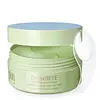 Key Ingredients
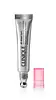
Benefits
Concerns
Ingredients Side-by-side
Water
Skin ConditioningGlycerin
Humectant


Calcium Chloride
AstringentCeratonia Siliqua Gum
EmollientXanthan Gum
Emulsifying1,2-Hexanediol
Skin Conditioning
Pentylene Glycol
Skin Conditioning
Allantoin
Skin Conditioning

Butyrospermum Parkii Butter
Skin Conditioning


Caffeine
Skin Conditioning
Hydroxyacetophenone
Antioxidant
Chondrus Crispus Powder
Abrasive
Niacinamide
Smoothing






Cocos Nucifera Fruit Extract
Emollient
Polyglyceryl-10 Laurate
Skin Conditioning
Ethylhexylglycerin
Skin ConditioningCellulose Gum
Emulsion StabilisingSodium Phytate
Euterpe Oleracea Fruit Extract
Dipotassium Glycyrrhizate
Humectant
Ribes Nigrum Leaf Extract
Perfuming
Rubus Coreanus Fruit Extract
Skin ConditioningRubus Idaeus Fruit Extract
AstringentCamellia Sinensis Leaf Extract
Antimicrobial
Chamomilla Recutita Flower Extract
Masking
Pinus Sylvestris Leaf Extract
TonicVaccinium Angustifolium Fruit Extract
Skin Protecting
Arginine
Masking
Arnica Montana Flower Extract
Masking
Camellia Japonica Flower Extract
EmollientSodium Hyaluronate
Humectant
Gold
Cosmetic ColorantCucumis Sativus Fruit Extract
Emollient
Aloe Barbadensis Leaf Extract
Emollient
Phenoxyethanol
Preservative
CI 77288
Cosmetic ColorantWater, Glycerin, Calcium Chloride, Ceratonia Siliqua Gum, Xanthan Gum, 1,2-Hexanediol, Pentylene Glycol, Allantoin, Butyrospermum Parkii Butter, Caffeine, Hydroxyacetophenone, Chondrus Crispus Powder, Niacinamide, Cocos Nucifera Fruit Extract, Polyglyceryl-10 Laurate, Ethylhexylglycerin, Cellulose Gum, Sodium Phytate, Euterpe Oleracea Fruit Extract, Dipotassium Glycyrrhizate, Ribes Nigrum Leaf Extract, Rubus Coreanus Fruit Extract, Rubus Idaeus Fruit Extract, Camellia Sinensis Leaf Extract, Chamomilla Recutita Flower Extract, Pinus Sylvestris Leaf Extract, Vaccinium Angustifolium Fruit Extract, Arginine, Arnica Montana Flower Extract, Camellia Japonica Flower Extract, Sodium Hyaluronate, Gold, Cucumis Sativus Fruit Extract, Aloe Barbadensis Leaf Extract, Phenoxyethanol, CI 77288
Water
Skin ConditioningDimethicone
Emollient
Polyethylene
Abrasive
Isododecane
EmollientPEG/PPG-18/18 Dimethicone
Emulsifying
Butylene Glycol
Humectant
Glycerin
Humectant
Propanediol
Solvent
Trisiloxane
Skin Conditioning
Sodium Chloride
MaskingAcetyl Glucosamine
Skin Conditioning
Ascorbyl Glucoside
Antioxidant
Sodium Hyaluronate
Humectant
Caffeine
Skin Conditioning
Yeast Extract
Skin ConditioningTrametes Versicolor Extract
Camellia Sinensis Leaf Extract
Antimicrobial
Salicylic Acid
Masking



Dimethoxytolyl Propylresorcinol
Antioxidant
Hydroxypinacolone Retinoate
Skin Conditioning
Sodium Acetylated Hyaluronate
Humectant
Caprylyl Glycol
Emollient
Synthetic Fluorphlogopite
Tin Oxide
Abrasive
Propylene Glycol Caprylate
Skin ConditioningDimethyl Isosorbide
SolventSodium Phosphate
BufferingDisodium Phosphate
BufferingPolysilicone-11
Potassium Hydroxide
BufferingHydroxyacetophenone
Antioxidant
Tocopheryl Acetate
Antioxidant
BHT
Antioxidant
Resveratrol
Antioxidant
Disodium EDTA
Phenoxyethanol
Preservative
Sodium Benzoate
Masking
Potassium Sorbate
Preservative
CI 77891
Cosmetic ColorantWater, Dimethicone, Polyethylene, Isododecane, PEG/PPG-18/18 Dimethicone, Butylene Glycol, Glycerin, Propanediol, Trisiloxane, Sodium Chloride, Acetyl Glucosamine, Ascorbyl Glucoside, Sodium Hyaluronate, Caffeine, Yeast Extract, Trametes Versicolor Extract, Camellia Sinensis Leaf Extract, Salicylic Acid, Dimethoxytolyl Propylresorcinol, Hydroxypinacolone Retinoate, Sodium Acetylated Hyaluronate, Caprylyl Glycol, Synthetic Fluorphlogopite, Tin Oxide, Propylene Glycol Caprylate, Dimethyl Isosorbide, Sodium Phosphate, Disodium Phosphate, Polysilicone-11, Potassium Hydroxide, Hydroxyacetophenone, Tocopheryl Acetate, BHT, Resveratrol, Disodium EDTA, Phenoxyethanol, Sodium Benzoate, Potassium Sorbate, CI 77891
Reviews
Ingredients Explained
These ingredients are found in both products.
Ingredients higher up in an ingredient list are typically present in a larger amount.
Caffeine is a naturally occurring plant compound found in coffee beans, tea leaves, cocoa pods, and guarana.
As an antioxidant, caffeine protects your skin from free radical damage caused by UV exposure and envionrmnetal stressors.
Early research also shows that caffeine can help calm redness, soothe irritated skin, and support hair growth by stimulating microcirculation in the scalp.
You might have seen eye creams marketing caffeine as a depuffing ingredient. This is because it is a vasoconstrictor meaning it can temporarily constrict blood vessels, though clinical evidence for this specific use is still limited.
Most skincare products contain this ingredient at concentrations between 1-6%. It is able to penetrate skin easily regardless of skin type or thickness.
Just so you know, a very small number of case reports describe caffeine-induced allergy. This ingredient is generally well-tolerated, non-irritating, and non-sensitizing for the majority of people.
Learn more about CaffeineCamellia Sinensis Leaf Extract (tea extract) is one of the most well-researched plant extracts in skincare with an impressive resume.
Black tea, green tea, and oolong tea are all harvested from the Camellia Sinensis plant.
Studies show green tea extract and its catechins (like epigallocatechin gallate (EGCG)) help your skin cells product energy more efficiently and reducing the number of free-radicals that can damage your skin from the inside.
In lab-grown skin models, this translated to younger, healthier, and stronger skin.
There's also good sun protection data; researchers saw less DNA damage and redness on human skin when green tea was applied before UVB exposure. And the more they applied, the better the protection.
Needless to say, this ingredient shouldn't replace your sunscreen. But it is a great supportive ingredient that you can already find in many sunscreens and antioxidant serums.
A 2009 study found a 2% green tea lotion was effective for mild-to-moderate acne thanks to its anti-inflammatory and mild antimicrobial activity.
The quality of the extract matters a lot here:
Good extracts contain 50-90% catechins while lower quality ones are mostly there for marketing. We recommend reaching out to the brand if you have questions about the quality or source of their ingredients.
Human Repeated Insult Patch Testing showed no irritation or sensitization at use concentrations (0.86% in leave-on products and up to 30% as leaf water).
Learn more about Camellia Sinensis Leaf ExtractGlycerin (or glycerol) is a compound naturally found in your skin. It's a powerhouse humectant that pulls water into the stratum corneum.
Topically, glycerin does several things at once:
Your skin makes glycerin on its own (mostly from sebaceous oil breakdown) and shuttles it to your outermost layer of skin, or your epidermis, via aquaporin-3.
Aquaporin-3 is a transporter that is essential for normal skin hydration, elasticity, and repair. Interestingly, mice lacking in AQP3 have dry and less elastic skin that can be fully corrected with glycerin.
This ingredient is non-irritating, plays well with almost every ingredient, and works across all skin types. Typical use is anywhere between 3-10% but can go up to 79% in some leave-on products.
Just know very high concentrations (>40%) can feel tacky in low humidity.
Glycerin is the name for this ingredient in American English. British English uses Glycerol/Glycerine.
Learn more about GlycerinHydroxyacetophenone is antioxidant with skin conditioning and soothing properties. It also boosts the efficiency of preservatives.
Though naturally occuring in Norwegian spruce needles, this ingredient is usually synthetically created.
This ingredient is not irritating or sensitizing. Recent research also suggests it may have skin-brightening effects through tyrosinase inhibition.
Learn more about HydroxyacetophenonePhenoxyethanol is a preservative that has germicide, antimicrobial, and aromatic properties. Studies show that phenoxyethanol can prevent microbial growth. By itself, it has a scent that is similar to that of a rose.
It's often used in formulations along with Caprylyl Glycol to preserve the shelf life of products.
Sodium Hyaluronate is the salt form of hyaluronic acid. It is a long sugar chain that is naturally found in your skin, joints, and connective tissue that maintains hydration and elasticity.
In skincare, it works as a humectant. It pulls water from the environment and deeper layers of skin and binds it to the surface.
Interestingly, the size of the molecule affects its behavior:
Some clinical evidence links low molecular weight versions to improved wrinkle depth, elasticity, anti-inflammatory effects, and barrier repair.
Many serums use a blend of both weights so you can get surface hydration plus longer-lasting and deeper effects.
You'll typically see concentrations between 0.1-2% for this ingredient.
Learn more about Sodium HyaluronateWater. It's the most common cosmetic ingredient of all. You'll usually see it at the top of ingredient lists, meaning that it makes up the largest part of the product.
So why is it so popular? Water most often acts as a solvent - this means that it helps dissolve other ingredients into the formulation.
You'll also recognize water as that liquid we all need to stay alive. If you see this, drink a glass of water. Remember to stay hydrated!
Learn more about Water
