
What's inside
What's inside
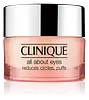 Key Ingredients
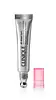
Benefits
Concerns
Ingredients Side-by-side
Cyclopentasiloxane
Emollient
Water
Skin ConditioningIsostearyl Palmitate
Emollient
Polyethylene
Abrasive

Butylene Glycol
Humectant

Polysilicone-11

Ethylene/Acrylic Acid Copolymer
Emulsion StabilisingMorus Bombycis Root Extract
Skin ConditioningCaffeine
Skin Conditioning

Phytosphingosine
Skin Conditioning
Triticum Vulgare Bran Extract
Skin ConditioningScutellaria Baicalensis Root Extract
Astringent
Whey Protein
Skin ConditioningOlea Europaea Fruit Extract
BleachingCamellia Sinensis Leaf Extract
Antimicrobial


Cholesterol
Emollient
Linoleic Acid
Cleansing

Tocopheryl Acetate
Antioxidant
Magnesium Ascorbyl Phosphate
Antioxidant

Pyridoxine Dipalmitate
Skin ConditioningSucrose
Humectant
Glycerin
Humectant
Dimethicone
Emollient
Glyceryl Laurate
Emollient
PEG/PPG-18/18 Dimethicone
Emulsifying
Petrolatum
Emollient

Cetyl PEG/PPG-10/1 Dimethicone
Emulsifying
Propylene Carbonate
SolventSodium Chloride
MaskingQuaternium-90 Bentonite
Disodium EDTA
Phenoxyethanol
Preservative
CI 77491
Cosmetic ColorantCI 77492
Cosmetic ColorantCI 77499
Cosmetic ColorantCyclopentasiloxane, Water, Isostearyl Palmitate, Polyethylene, Butylene Glycol, Polysilicone-11, Ethylene/Acrylic Acid Copolymer, Morus Bombycis Root Extract, Caffeine, Phytosphingosine, Triticum Vulgare Bran Extract, Scutellaria Baicalensis Root Extract, Whey Protein, Olea Europaea Fruit Extract, Camellia Sinensis Leaf Extract, Cholesterol, Linoleic Acid, Tocopheryl Acetate, Magnesium Ascorbyl Phosphate, Pyridoxine Dipalmitate, Sucrose, Glycerin, Dimethicone, Glyceryl Laurate, PEG/PPG-18/18 Dimethicone, Petrolatum, Cetyl PEG/PPG-10/1 Dimethicone, Propylene Carbonate, Sodium Chloride, Quaternium-90 Bentonite, Disodium EDTA, Phenoxyethanol, CI 77491, CI 77492, CI 77499
Water
Skin ConditioningDimethicone
Emollient
Polyethylene
Abrasive
Isododecane
EmollientPEG/PPG-18/18 Dimethicone
Emulsifying
Butylene Glycol
Humectant
Glycerin
Humectant
Propanediol
Solvent
Trisiloxane
Skin Conditioning
Sodium Chloride
MaskingAcetyl Glucosamine
Skin Conditioning
Ascorbyl Glucoside
Antioxidant
Sodium Hyaluronate
Humectant
Caffeine
Skin Conditioning
Faex Extract
Skin ConditioningTrametes Versicolor Extract
Camellia Sinensis Leaf Extract
Antimicrobial
Salicylic Acid
Masking



Dimethoxytolyl Propylresorcinol
Antioxidant
Hydroxypinacolone Retinoate
Skin Conditioning
Sodium Acetylated Hyaluronate
Humectant
Caprylyl Glycol
Emollient
Synthetic Fluorphlogopite
Tin Oxide
Abrasive
Propylene Glycol Caprylate
Skin ConditioningDimethyl Isosorbide
SolventSodium Phosphate
BufferingDisodium Phosphate
BufferingPolysilicone-11
Potassium Hydroxide
BufferingHydroxyacetophenone
Antioxidant
Tocopheryl Acetate
Antioxidant
BHT
Antioxidant
Resveratrol
Antioxidant
Disodium EDTA
Phenoxyethanol
Preservative
Sodium Benzoate
Masking
Potassium Sorbate
Preservative
CI 77891
Cosmetic ColorantWater, Dimethicone, Polyethylene, Isododecane, PEG/PPG-18/18 Dimethicone, Butylene Glycol, Glycerin, Propanediol, Trisiloxane, Sodium Chloride, Acetyl Glucosamine, Ascorbyl Glucoside, Sodium Hyaluronate, Caffeine, Faex Extract, Trametes Versicolor Extract, Camellia Sinensis Leaf Extract, Salicylic Acid, Dimethoxytolyl Propylresorcinol, Hydroxypinacolone Retinoate, Sodium Acetylated Hyaluronate, Caprylyl Glycol, Synthetic Fluorphlogopite, Tin Oxide, Propylene Glycol Caprylate, Dimethyl Isosorbide, Sodium Phosphate, Disodium Phosphate, Polysilicone-11, Potassium Hydroxide, Hydroxyacetophenone, Tocopheryl Acetate, BHT, Resveratrol, Disodium EDTA, Phenoxyethanol, Sodium Benzoate, Potassium Sorbate, CI 77891
Reviews
Ingredients Explained
These ingredients are found in both products.
Ingredients higher up in an ingredient list are typically present in a larger amount.
Butylene Glycol (or BG) is used within cosmetic products for a few different reasons:
Overall, Butylene Glycol is a safe and well-rounded ingredient that works well with other ingredients.
Though this ingredient works well with most skin types, some people with sensitive skin may experience a reaction such as allergic rashes, closed comedones, or itchiness.
Learn more about Butylene GlycolCaffeine is a naturally occurring plant compound found in coffee beans, tea leaves, cocoa pods, and guarana.
As an antioxidant, caffeine protects your skin from free radical damage caused by UV exposure and envionrmnetal stressors.
Early research also shows that caffeine can help calm redness, soothe irritated skin, and support hair growth by stimulating microcirculation in the scalp.
You might have seen eye creams marketing caffeine as a depuffing ingredient. This is because it is a vasoconstrictor meaning it can temporarily constrict blood vessels, though clinical evidence for this specific use is still limited.
Most skincare products contain this ingredient at concentrations between 1-6%. It is able to penetrate skin easily regardless of skin type or thickness.
Just so you know, a very small number of case reports describe caffeine-induced allergy. This ingredient is generally well-tolerated, non-irritating, and non-sensitizing for the majority of people.
Learn more about CaffeineCamellia Sinensis Leaf Extract (tea extract) is one of the most well-researched plant extracts in skincare with an impressive resume.
Black tea, green tea, and oolong tea are all harvested from the Camellia Sinensis plant.
Studies show green tea extract and its catechins (like epigallocatechin gallate (EGCG)) help your skin cells product energy more efficiently and reducing the number of free-radicals that can damage your skin from the inside.
In lab-grown skin models, this translated to younger, healthier, and stronger skin.
There's also good sun protection data; researchers saw less DNA damage and redness on human skin when green tea was applied before UVB exposure. And the more they applied, the better the protection.
Needless to say, this ingredient shouldn't replace your sunscreen. But it is a great supportive ingredient that you can already find in many sunscreens and antioxidant serums.
A 2009 study found a 2% green tea lotion was effective for mild-to-moderate acne thanks to its anti-inflammatory and mild antimicrobial activity.
The quality of the extract matters a lot here:
Good extracts contain 50-90% catechins while lower quality ones are mostly there for marketing. We recommend reaching out to the brand if you have questions about the quality or source of their ingredients.
Human Repeated Insult Patch Testing showed no irritation or sensitization at use concentrations (0.86% in leave-on products and up to 30% as leaf water).
Learn more about Camellia Sinensis Leaf ExtractDimethicone is a type of synthetic silicone created from natural materials such as quartz. It is also known as polydimethylsiloxane.
What it does:
Dimethicone comes in different viscosities:
Depending on the viscosity, dimethicone has different properties.
Ingredients lists don't always show which type is used, so we recommend reaching out to the brand if you have questions about the viscosity.
This ingredient is unlikely to cause irritation because it does not get absorbed into skin. However, people with silicone allergies should be careful about using this ingredient.
Note: Dimethicone may contribute to pilling. This is because it is not oil or water soluble, so pilling may occur when layered with products. When mixed with heavy oils in a formula, the outcome is also quite greasy.
Learn more about DimethiconeDisodium EDTA is a chelating agent. It grabs onto and deactivates metal ions that sneak into your products from water, packaging, or air.
This ingredient mainly works behind the scenes and helps with:
On top of that, this ingredient can counteract the effects of hard water by binding to the minerals in it.
One thing worth knowing is that Disodium EDTA has been shown to be a mild penetration enhancer. It can help other ingredients absorb into skin more effectively which can be a double-edged sword (great for actives, but can also make the active too strong if you have sensitive skin).
Clinical patch testing showed no significant skin irritation at typical use concentrations and minimal dermal absorption.
You'll most likely see this ingredient near the end of an ingredient list. It's typically found in concentrations less than 1%.
Learn more about Disodium EDTAGlycerin (or glycerol) is a compound naturally found in your skin. It's a powerhouse humectant that pulls water into the stratum corneum.
Topically, glycerin does several things at once:
Your skin makes glycerin on its own (mostly from sebaceous oil breakdown) and shuttles it to your outermost layer of skin, or your epidermis, via aquaporin-3.
Aquaporin-3 is a transporter that is essential for normal skin hydration, elasticity, and repair. Interestingly, mice lacking in AQP3 have dry and less elastic skin that can be fully corrected with glycerin.
This ingredient is non-irritating, plays well with almost every ingredient, and works across all skin types. Typical use is anywhere between 3-10% but can go up to 79% in some leave-on products.
Just know very high concentrations (>40%) can feel tacky in low humidity.
Glycerin is the name for this ingredient in American English. British English uses Glycerol/Glycerine.
Learn more about GlycerinPEG/PPG-18/18 Dimethicone is a modified version of dimethicone with emulsifying properties. It helps add a silky and lightweight feel to products like sunscreens and foundations.
Its unique structure allows it to bridge the gap between water-loving and oil-loving ingredients. This makes it especially good at creating stable, velvety, and elegant formulations.
Phenoxyethanol is one of the most widely used preservatives in skincare (and for good reason!).
It has a large spectrum of antimicrobial activity and especially effective bacteria, yeast, and mold while only having a weak effect on your skin's natural microbiome.
On a cellular level, it disrupts the cell membranes of microbes by poking holes that make the cell leak. This shuts down the chemical reactions the microbe needs to make energy so it can no longer survive.
Another perk of this ingredient is that it stays functional across a wide pH range (3-10).
You'll often see it paired with boosters like Ethylhexylglycerin; one study showed that a 1:9 ratio of Ethylhexylglycerin to Phenoxyethanol damages bacterial membranes as effectively as doubling the Phenoxyethanol concentration on its own.
Typical use concentrations range from 0.3-1% depending on the formula, and this ingredient is capped at 1% int the EU.
Safety-wise, the fear mongering does not hold up to the evidence. The EU's Scientific Committee on Consumer Safety and FDA consider it safe as a preservative at up to 1%, including for children of all ages.
Adverse systemic effects only showed up in animal studies at exposures roughly 200x higher than what people get from cosmetics. And despite its very widespread use, this ingredient is a rare sensitizer and allergic reactions are uncommon.
Learn more about PhenoxyethanolPolyethylene is a synthetic ingredient that helps the skin retain moisture. It is a polymer.
It is also typically used within product formulations to help bind solid ingredients together and thicken oil-based ingredients. When added to balms and emulsions, it helps increase the melting point temperature.
Polysilicone-11 is a film-forming silicone that creates a non-tacky and matte finish on the skin. It's commonly used to improve texture, absorb excess oil, and help active ingredients spread evenly.
Due to its "rubber-like" structure, it stays on the skin's surface instead of being absorbed. On the skin, it creates a flexible layer that enhances wearability and stability.
Chances are, you eat sodium chloride every day. Sodium Chloride is also known as table salt. This ingredient has many purposes in skincare: thickener, emulsifier, and exfoliator.
You'll most likely find this ingredient in cleansers where it is used to create a gel-like texture. As an emulsifier, it also prevents ingredients from separating.
You might see people debate whether Sodium Chloride is comedogenic, but there actually haven't been any comedogenic tests done on it. Either way, the overall formulation of a product matters a lot more than any single ingredient.
You might see this ingredient used in scrubs as a primary exfoliating ingredient.
Learn more about Sodium ChlorideTocopheryl Acetate is a stable, shelf-friendly form of vitamin E.
Formulators love it because plain vitamin E oxidizes quickly once it hits air. This acetate version stays stable and resists going off, helping to extend a product's shelf life.
It's actually inactive on its own and works like a slow-release "storage" form; the enzymes in your skin called esterases gradually convert it into active vitamin E over time.
One in vivo study showed 5% of the acetate in the living layer of the epidermis converted to vitamin E after 5 days of application. This study also found the skin gained protection against UV damage even though the conversion was slow and small.
Once converted, vitamin E acts as a skin's main fat-soluble antioxidant that fights free radicals to protect skin from damage.
Topical vitamin E generally boosts the skin's photoprotection, and it reduced UV-damage in animal models.
This ingredient has some brightening potential but it's more of a prevention ingredient than spot-fader. Cell studies show it can slow down melanin production but it's worth noting that it's not the most powerful brightener out there.
Overall, it has a pretty solid safety profile and has been found to be non-irritating and non-comedogenic. Allergic reactions may happen but stay rare due to how widely the ingredient gets used.
The concentration will vary depending on the formula; industry data shows 0.1% in baby lotions, 3% in lipsticks, and 5% in foot powders. You can also find this ingredient at 100% in a pure vitamin E oil.
Most leave-on skincare keeps it at the lower end, often between 0.5-1%.
Learn more about Tocopheryl AcetateWater. It's the most common cosmetic ingredient of all. You'll usually see it at the top of ingredient lists, meaning that it makes up the largest part of the product.
So why is it so popular? Water most often acts as a solvent - this means that it helps dissolve other ingredients into the formulation.
You'll also recognize water as that liquid we all need to stay alive. If you see this, drink a glass of water. Remember to stay hydrated!
Learn more about Water

