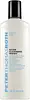
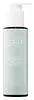
This gel makeup remover is made to dissolve makeup, sunscreen, and daily buildup.

What's inside
What's inside
 Key Ingredients
Benefits
Concerns
Ingredients Side-by-side
Allantoin
Skin Conditioning




BHT
Antioxidant
Butyl Methoxydibenzoylmethane
UV Absorber
Butylphenyl Methylpropional
Perfuming



Citric Acid
Buffering


Cocamidopropyl Betaine
Cleansing

Disodium EDTA
ChelatingEthylhexyl Methoxycinnamate
UV Absorber
Ethylhexyl Salicylate
UV Absorber
Parfum
Masking
Lauryl Glucoside
CleansingLimonene
Perfuming
Linalool
Perfuming
Panthenol
Skin Conditioning
PEG-120 Methyl Glucose Dioleate
Emulsifying
PEG-150 Pentaerythrityl Tetrastearate
Emulsifying
PEG-40 Hydrogenated Castor Oil
Emulsifying
PEG-6 Caprylic/Capric Glycerides
EmulsifyingPhenoxyethanol
Preservative
Potassium Sorbate
Preservative
PPG-26-Buteth-26
Skin ConditioningPropylene Glycol
Humectant
Sodium Benzoate
Masking
Sodium Benzotriazolyl Butylphenol Sulfonate
UV AbsorberSodium Chloride
MaskingSodium Citrate
BufferingSodium Hydroxide
BufferingSodium Laureth Sulfate
Cleansing

Tocopherol
Antioxidant


Water
Skin ConditioningAllantoin, BHT, Butyl Methoxydibenzoylmethane, Butylphenyl Methylpropional, Citric Acid, Cocamidopropyl Betaine, Disodium EDTA, Ethylhexyl Methoxycinnamate, Ethylhexyl Salicylate, Parfum, Lauryl Glucoside, Limonene, Linalool, Panthenol, PEG-120 Methyl Glucose Dioleate, PEG-150 Pentaerythrityl Tetrastearate, PEG-40 Hydrogenated Castor Oil, PEG-6 Caprylic/Capric Glycerides, Phenoxyethanol, Potassium Sorbate, PPG-26-Buteth-26, Propylene Glycol, Sodium Benzoate, Sodium Benzotriazolyl Butylphenol Sulfonate, Sodium Chloride, Sodium Citrate, Sodium Hydroxide, Sodium Laureth Sulfate, Tocopherol, Water
Water
Skin ConditioningCocamidopropyl Betaine
Cleansing
Disodium Cocoamphodipropionate
CleansingSodium Lauroyl Sarcosinate
CleansingSodium Lauryl Sulfoacetate
CleansingPropanediol
Solvent
Sodium Coco Pg-Dimonium Chloride Phosphate
CleansingCaprylyl Glycol
Emollient
Polyquaternium-10
Fructosyl Cocoate/Olivate
Emollient
Sodium Chloride
MaskingGlyceryl Laurate
Emollient
Phenoxyethanol
Preservative
Sodium Cocoyl/Olivoyl Hydrolyzed Oat/Wheat Protein
Cleansing
Potassium Sorbate
Preservative
Allantoin
Skin Conditioning
Panthenol
Skin Conditioning
Cocamidopropyl Dimethylamine
Emulsifying
Sodium Glycolate
BufferingHexylene Glycol
EmulsifyingCitric Acid
Buffering
Cocoyl Hydroxyethyl Imidazoline
Surfactant
Methyl Alcohol
Solvent
Lavandula Angustifolia Oil
Masking
Algae Extract
Emollient
Cocos Nucifera Oil
Masking
Gardenia Taitensis Flower Extract
Skin ConditioningTocopherol
Antioxidant
Phyllanthus Emblica Fruit Extract
HumectantLinalool
Perfuming
Water, Cocamidopropyl Betaine, Disodium Cocoamphodipropionate, Sodium Lauroyl Sarcosinate, Sodium Lauryl Sulfoacetate, Propanediol, Sodium Coco Pg-Dimonium Chloride Phosphate, Caprylyl Glycol, Polyquaternium-10, Fructosyl Cocoate/Olivate, Sodium Chloride, Glyceryl Laurate, Phenoxyethanol, Sodium Cocoyl/Olivoyl Hydrolyzed Oat/Wheat Protein, Potassium Sorbate, Allantoin, Panthenol, Cocamidopropyl Dimethylamine, Sodium Glycolate, Hexylene Glycol, Citric Acid, Cocoyl Hydroxyethyl Imidazoline, Methyl Alcohol, Lavandula Angustifolia Oil, Algae Extract, Cocos Nucifera Oil, Gardenia Taitensis Flower Extract, Tocopherol, Phyllanthus Emblica Fruit Extract, Linalool
Alternatives
Ingredients Explained
These ingredients are found in both products.
Ingredients higher up in an ingredient list are typically present in a larger amount.
Allantoin is a soothing ingredient known for its protective and moisturizing properties; it's basically a quiet workhorse ingredient you can find in a huge range of cosmetics.
Though it can be derived from the comfrey plant, allantoin is produced synthetically for cosmetic products to ensure purity.
Research shows it can encourage your skin cells to turn over and renew by stimulating keratinocyte and fibroblast proliferation.
It also has mild keratolytic properties to help loosen and shed dead skin cells without being harsh.
Studies also suggest allantoin can help calm inflammation by dialing down some of the chemical signals your skin sends out when it is irritated.
This ingredient is typically used in the 0.1-0.5% range, and the FDA recognizes it as a skin protectant in OTC products up to 2%.
Overall, allantoin is a wonderful addition to most routines; it is stable across a wide pH range (~4-8), works well with other ingredients, and is considered non-sensitizing/non-irritating.
Fun fact: Allantoin is naturally occurring in comfrey root, beets, chamomile, and wheat sprouts. Our bodies even produce it as a byproduct of uric acid metabolism.
Learn more about AllantoinCitric Acid is an alpha hydroxy acid (AHA) naturally found in citrus fruits like oranges, lemons, and limes.
Like other AHAs, citric acid can exfoliate skin by breaking down the bonds that hold dead skin cells together. This helps reveal smoother and brighter skin underneath.
However, this exfoliating effect only happens at high concentrations (20%) which can be hard to find in cosmetic products.
Due to this, citric acid is usually included in small amounts as a pH adjuster. This helps keep products slightly more acidic and compatible with skin's natural pH.
In skincare formulas, citric acid can:
While it can provide some skin benefits, research shows lactic acid and glycolic acid are generally more effective and less irritating exfoliants.
Most citric acid used in skincare today is made by fermenting sugars (usually from molasses). This synthetic version is identical to the natural citrus form but easier to stabilize and use in formulations.
Rosacea skin has a lower threshold for acids generally, with 62.5% of rosacea subjects in one study reacting to lactic acid in a sting test. This is why we mark citric acid as a potential rosacea trigger.
However, this ingredient shows up as a pH adjuster or chelator at roughly 0.1-1% in many products. These low levels are unlikely to be an issue for rosacea skin and becomes a potential trigger at exfoliating concentrations (20%). Because everybody's skin is unique, we recommend a patch test if you are unsure.
Learn more about Citric AcidCocamidopropyl Betaine is a fatty acid created by mixing similar compounds in coconut oil and dimethylaminopropylamine, a compound with two amino groups.
This ingredient is a surfactant and cleanser. It helps gather the dirt, pollutants, and other impurities in your skin to be washed away. It also helps thicken a product and make the texture more creamy.
Being created from coconut oil means Cocamidopropyl Betaine is hydrating for the skin.
While Cocamidopropyl Betaine was believed to be an allergen, a study from 2012 disproved this. It found two compounds in unpure Cocamidopropyl Betaine to be the irritants: aminoamide and 3-dimethylaminopropylamine. High-grade and pure Cocamidopropyl Betaine did not induce allergic reactions during this study.
Learn more about Cocamidopropyl BetaineLinalool is a small, naturally occurring scent molecule found in plants like lavender, coriander, bergamot, and more.
It is one of the two most-used fragrance ingredients in cosmetics and added purely for smell. Since it's not used for a skin benefit, there's no "effective dose". Concentration depends on the fragrance load of the product.
The EU requires it to be named on the label above 0.001% in leave-on and 0.01% in rinse-off products.
Fresh linalool is a weak sensitizer but air exposure turns some of it into hydroperoxides, which are strong sensitizers. Those oxidation products are the actual allergy concern.
Patch-test clinics see positive reactions to linalool hydroperoxides in about 4% to 12% of dermatitis patients depending on country and test concentration.
Resassuringly, one analytical study found hydroperoxide levels in real fragranced products to be orders of magnitude below what induced sensitization in animal studies with no evidence of oxidation building up during normal storage.
The practical takeaway is that linalool is fine for most people but worth avoiding if you have a confirmed fragrance contact allergy or a badly compromised barrier.
Products stored a long time after opening are also the high-risk scenario since that is when oxidation happens.
The scent of linalool is described as floral, spicy tropical, and citrus-like.
Learn more about LinaloolPanthenol is a common ingredient that helps hydrate and soothe the skin. It is found naturally in our skin and hair.
There are two forms of panthenol: D and L.
D-panthenol is also known as dexpanthenol. Most cosmetics use dexpanthenol or a mixture of D and L-panthenol.
Panthenol is famous due to its ability to go deeper into the skin's layers. Using this ingredient has numerous pros (and no cons):
Like hyaluronic acid, panthenol is a humectant. Humectants are able to bind and hold large amounts of water to keep skin hydrated.
This ingredient works well for wound healing. It works by increasing tissue in the wound and helps close open wounds.
Once oxidized, panthenol converts to pantothenic acid. Panthothenic acid is found in all living cells.
This ingredient is also referred to as pro-vitamin B5.
Learn more about PanthenolPhenoxyethanol is one of the most widely used preservatives in skincare (and for good reason!).
It has a large spectrum of antimicrobial activity and especially effective bacteria, yeast, and mold while only having a weak effect on your skin's natural microbiome.
On a cellular level, it disrupts the cell membranes of microbes by poking holes that make the cell leak. This shuts down the chemical reactions the microbe needs to make energy so it can no longer survive.
Another perk of this ingredient is that it stays functional across a wide pH range (3-10).
You'll often see it paired with boosters like Ethylhexylglycerin; one study showed that a 1:9 ratio of Ethylhexylglycerin to Phenoxyethanol damages bacterial membranes as effectively as doubling the Phenoxyethanol concentration on its own.
Typical use concentrations range from 0.3-1% depending on the formula, and this ingredient is capped at 1% int the EU.
Safety-wise, the fear mongering does not hold up to the evidence. The EU's Scientific Committee on Consumer Safety and FDA consider it safe as a preservative at up to 1%, including for children of all ages.
Adverse systemic effects only showed up in animal studies at exposures roughly 200x higher than what people get from cosmetics. And despite its very widespread use, this ingredient is a rare sensitizer and allergic reactions are uncommon.
Learn more about PhenoxyethanolPotassium Sorbate is a preservative used to prevent yeast and mold in products. It is commonly found in both cosmetic and food products.
This ingredient comes from potassium salt derived from sorbic acid. Sorbic acid is a natural antibiotic and effective against fungus.
Both potassium sorbate and sorbic acid can be found in baked goods, cheeses, dried meats, dried fruit, ice cream, pickles, wine, yogurt, and more.
You'll often find this ingredient used with other preservatives.
Learn more about Potassium SorbateChances are, you eat sodium chloride every day. Sodium Chloride is also known as table salt. This ingredient has many purposes in skincare: thickener, emulsifier, and exfoliator.
You'll most likely find this ingredient in cleansers where it is used to create a gel-like texture. As an emulsifier, it also prevents ingredients from separating.
You might see people debate whether Sodium Chloride is comedogenic, but there actually haven't been any comedogenic tests done on it. Either way, the overall formulation of a product matters a lot more than any single ingredient.
You might see this ingredient used in scrubs as a primary exfoliating ingredient.
Learn more about Sodium ChlorideTocopherol is a fat-soluble antioxidant known as Vitamin E.
You'll find this ingredient in the vast majority of skincare (for good reason). It works to neutralize free radicals, or unstable molecules generated by UV exposure, pollution, and other environmental stressors, before they can cause oxidative damage to your skin cells.
Topically applied tocopherol has been shown to protect against UV damage by ramping up the skin's own natural defense enzymes.
It also acts as a skin conditioning agent; some studies show that regular topical use can improve the skin's water-binding capacity over 2-4 weeks.
This ingredient is especially loved for being a team player. When combined with Vitamin C, the photoprotective effect of both ingredients roughly doubles and the combo also helps reduce UV-induced DNA damage.
This ingredient has some brightening potential but it's more of a prevention ingredient than spot-fader. Cell studies show it can slow down melanin production but it's worth noting that it's not the most powerful brightener out there.
In formulations, it also serves as a stabilizer that helps protect other oxidation-prone ingredients from degrading.
Concentrations usually range from 0.1-1% in most leave-on products.
Learn more about TocopherolWater. It's the most common cosmetic ingredient of all. You'll usually see it at the top of ingredient lists, meaning that it makes up the largest part of the product.
So why is it so popular? Water most often acts as a solvent - this means that it helps dissolve other ingredients into the formulation.
You'll also recognize water as that liquid we all need to stay alive. If you see this, drink a glass of water. Remember to stay hydrated!
Learn more about Water

