

What's inside
What's inside
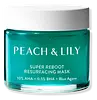 Key Ingredients
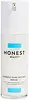
Benefits
Concerns
Ingredients Side-by-side
Water
Skin ConditioningGlycolic Acid
Buffering











Sodium Citrate
BufferingPropanediol
Solvent

Butylene Glycol
Humectant
Hydroxyethylcellulose
Emulsion StabilisingAgave Tequilana Leaf Extract
AstringentAllantoin
Skin Conditioning

Aloe Barbadensis Flower Extract
EmollientCamellia Sinensis Leaf Extract
Antimicrobial
Centella Asiatica Extract
Cleansing
Chamomilla Recutita Flower Extract
Masking
Chlorphenesin
Antimicrobial
Coccinia Indica Fruit Extract
Skin Conditioning
Corallina Officinalis Extract
Skin Conditioning
Curcuma Longa Root Extract
Masking
1,2-Hexanediol
Skin Conditioning
Ethylhexylglycerin
Skin ConditioningGlyceryl Caprylate
EmollientGlycyrrhiza Glabra Root Extract
Bleaching
Hydrolyzed Hyaluronic Acid
Humectant
Melia Azadirachta Flower Extract
Skin ConditioningMelia Azadirachta Leaf Extract
Skin ConditioningOcimum Sanctum Leaf Extract
Skin ConditioningPanthenol
Skin Conditioning
Pantolactone
Humectant
Phenoxyethanol
Preservative
Polygonum Cuspidatum Root Extract
Antioxidant
Rosmarinus Officinalis Leaf Extract
AntimicrobialSalicylic Acid
Masking


Scutellaria Baicalensis Root Extract
Astringent
Sodium Acetylated Hyaluronate
Humectant
Sodium Hyaluronate
Humectant
Solanum Melongena Fruit Extract
Skin ConditioningTrisodium Ethylenediamine Disuccinate
Xanthan Gum
EmulsifyingPolyglyceryl-10 Caprylate/Caprate
EmulsifyingPolyglyceryl-10 Laurate
Skin Conditioning
Lavandula Angustifolia Oil
Masking


Pelargonium Graveolens Flower Oil
Masking
Water, Glycolic Acid, Sodium Citrate, Propanediol, Butylene Glycol, Hydroxyethylcellulose, Agave Tequilana Leaf Extract, Allantoin, Aloe Barbadensis Flower Extract, Camellia Sinensis Leaf Extract, Centella Asiatica Extract, Chamomilla Recutita Flower Extract, Chlorphenesin, Coccinia Indica Fruit Extract, Corallina Officinalis Extract, Curcuma Longa Root Extract, 1,2-Hexanediol, Ethylhexylglycerin, Glyceryl Caprylate, Glycyrrhiza Glabra Root Extract, Hydrolyzed Hyaluronic Acid, Melia Azadirachta Flower Extract, Melia Azadirachta Leaf Extract, Ocimum Sanctum Leaf Extract, Panthenol, Pantolactone, Phenoxyethanol, Polygonum Cuspidatum Root Extract, Rosmarinus Officinalis Leaf Extract, Salicylic Acid, Scutellaria Baicalensis Root Extract, Sodium Acetylated Hyaluronate, Sodium Hyaluronate, Solanum Melongena Fruit Extract, Trisodium Ethylenediamine Disuccinate, Xanthan Gum, Polyglyceryl-10 Caprylate/Caprate, Polyglyceryl-10 Laurate, Lavandula Angustifolia Oil, Pelargonium Graveolens Flower Oil
Water
Skin ConditioningSqualane
Emollient
Cetyl Alcohol
Emollient

Jojoba Esters
Emollient
Propanediol
Solvent
Glycerin
Humectant
Pyrus Malus Fruit Extract
Skin Conditioning
Dextrin
AbsorbentRetinol
Skin Conditioning
Caprylic/Capric Triglyceride
Masking
Tocopherol
Antioxidant
Citric Acid
Buffering
Phytosteryl/Octyldodecyl Lauroyl Glutamate
Skin ConditioningPolyglyceryl-6 Distearate
Emulsifying
Polyglyceryl-3 Beeswax
Emulsifying
Sodium Acetylated Hyaluronate
Humectant
Xanthan Gum
EmulsifyingHydrolyzed Sodium Hyaluronate
Skin Conditioning
Trisodium Ethylenediamine Disuccinate
Niacinamide
Smoothing
1,2-Hexanediol
Skin Conditioning
Caprylhydroxamic Acid
Water, Squalane, Cetyl Alcohol, Jojoba Esters, Propanediol, Glycerin, Pyrus Malus Fruit Extract, Dextrin, Retinol, Caprylic/Capric Triglyceride, Tocopherol, Citric Acid, Phytosteryl/Octyldodecyl Lauroyl Glutamate, Polyglyceryl-6 Distearate, Polyglyceryl-3 Beeswax, Sodium Acetylated Hyaluronate, Xanthan Gum, Hydrolyzed Sodium Hyaluronate, Trisodium Ethylenediamine Disuccinate, Niacinamide, 1,2-Hexanediol, Caprylhydroxamic Acid
Reviews
Ingredients Explained
These ingredients are found in both products.
Ingredients higher up in an ingredient list are typically present in a larger amount.
1,2-Hexanediol is a synthetic liquid and another multi-functional powerhouse.
It is a:
- Humectant, drawing moisture into the skin
- Emollient, helping to soften skin
- Solvent, dispersing and stabilizing formulas
- Preservative booster, enhancing the antimicrobial activity of other preservatives
Propanediol is an all-star ingredient. It softens, hydrates, and smooths the skin.
It’s often used to:
Propanediol is not likely to cause sensitivity and considered safe to use. It is derived from corn or petroleum with a clear color and no scent.
Learn more about PropanediolSodium Acetylated Hyaluronate is a type of Hyaluronic Acid.
Hyaluronic Acids help moisturize, soothe, and protect the skin.
Read about common types of Hyaluronic Acid here:
Learn more about Sodium Acetylated HyaluronateTrisodium Ethylenediamine Disuccinate is used to help stabilize a product.
It is a chelating agent, meaning it helps prevent metal ions from binding to other ingredients. This prevents unwanted reactions in products. Metal ions can come into a product via the water ingredient. They are found in trace amounts and are not known to be harmful.
Water. It's the most common cosmetic ingredient of all. You'll usually see it at the top of ingredient lists, meaning that it makes up the largest part of the product.
So why is it so popular? Water most often acts as a solvent - this means that it helps dissolve other ingredients into the formulation.
You'll also recognize water as that liquid we all need to stay alive. If you see this, drink a glass of water. Remember to stay hydrated!
Learn more about WaterXanthan gum is used as a stabilizer and thickener within cosmetic products. It helps give products a sticky, thick feeling - preventing them from being too runny.
On the technical side of things, xanthan gum is a polysaccharide - a combination consisting of multiple sugar molecules bonded together.
Xanthan gum is a pretty common and great ingredient. It is a natural, non-toxic, non-irritating ingredient that is also commonly used in food products.
Learn more about Xanthan Gum

