
What's inside
What's inside
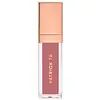 Key Ingredients
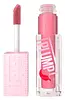
Benefits
Concerns
Ingredients Side-by-side
Polybutene
Hydrogenated Polydecene
EmollientDiisostearyl Malate
EmollientCaprylic/Capric Triglyceride
Masking


Hydrogenated Polyisobutene
EmollientTocopheryl Nicotinate
Antioxidant
Menthyl Ethylamido Oxalate
Skin ConditioningSimmondsia Chinensis Seed Oil
Emollient



Helianthus Annuus Seed Oil
Emollient
Hydrogenated Styrene/Isoprene Copolymer
Octyldodecanol
Emollient
Persea Gratissima Oil
Skin Conditioning

Isostearic Acid
Cleansing
Dibutyl Lauroyl Glutamide
Skin ConditioningAlcohol
Antimicrobial


Hydroxymethoxyphenyl Propylmethylmethoxybenzofuran
Skin ConditioningCaprylyl Glycol
Emollient
Vanillyl Butyl Ether
Masking1,2-Hexanediol
Skin Conditioning
Tocopheryl Acetate
Antioxidant

Dibutyl Ethylhexanoyl Glutamide
Skin ConditioningCinnamomum Zeylanicum Bark Oil
Masking


Zingiber Officinale Root Oil
Masking
Water
Skin ConditioningHydrogenated Styrene/Butadiene Copolymer
Capsicum Annuum Fruit Powder
Skin ConditioningPunica Granatum Flower Extract
Skin Conditioning
Polyglyceryl-3 Diisostearate
Emulsifying
Glycine Soja Oil
Emollient
Mentha Piperita Oil
Masking
Pentaerythrityl Tetra-Di-T-Butyl Hydroxyhydrocinnamate
Antioxidant
Ascorbyl Palmitate
Antioxidant
Tocopherol
Antioxidant

Aroma

Cinnamal
Perfuming
Cinnamyl Alcohol
Perfuming
Eugenol
Perfuming
CI 77891
Cosmetic ColorantIron Oxides
CI 42090
Cosmetic ColorantCI 15850
Cosmetic ColorantCI 73360
Cosmetic ColorantCI 17200
Cosmetic ColorantCI 19140
Cosmetic ColorantPolybutene, Hydrogenated Polydecene, Diisostearyl Malate, Caprylic/Capric Triglyceride, Hydrogenated Polyisobutene, Tocopheryl Nicotinate, Menthyl Ethylamido Oxalate, Simmondsia Chinensis Seed Oil, Helianthus Annuus Seed Oil, Hydrogenated Styrene/Isoprene Copolymer, Octyldodecanol, Persea Gratissima Oil, Isostearic Acid, Dibutyl Lauroyl Glutamide, Alcohol, Hydroxymethoxyphenyl Propylmethylmethoxybenzofuran, Caprylyl Glycol, Vanillyl Butyl Ether, 1,2-Hexanediol, Tocopheryl Acetate, Dibutyl Ethylhexanoyl Glutamide, Cinnamomum Zeylanicum Bark Oil, Zingiber Officinale Root Oil, Water, Hydrogenated Styrene/Butadiene Copolymer, Capsicum Annuum Fruit Powder, Punica Granatum Flower Extract, Polyglyceryl-3 Diisostearate, Glycine Soja Oil, Mentha Piperita Oil, Pentaerythrityl Tetra-Di-T-Butyl Hydroxyhydrocinnamate, Ascorbyl Palmitate, Tocopherol, Aroma, Cinnamal, Cinnamyl Alcohol, Eugenol, CI 77891, Iron Oxides, CI 42090, CI 15850, CI 73360, CI 17200, CI 19140
C18-36 Acid Triglyceride
EmollientBis-Diglyceryl Polyacyladipate-2
Emollient
Polybutene
Pentaerythrityl Tetraisostearate
Emollient
Tridecyl Trimellitate
EmollientDiisostearyl Malate
EmollientSilica Dimethyl Silylate
EmollientEthylhexyl Palmitate
Emollient
Tribehenin
Emollient
Pentylene Glycol
Skin Conditioning
Phenoxyethanol
Preservative
Sorbitan Isostearate
Emulsifying
Pentaerythrityl Tetra-Di-T-Butyl Hydroxyhydrocinnamate
Antioxidant
Capsicum Frutescens Fruit Extract
Skin Conditioning
Ethylhexylglycerin
Skin ConditioningSorbic Acid
Preservative
Vanillyl Butyl Ether
MaskingCalcium Sodium Borosilicate
Tocopheryl Acetate
Antioxidant
Sodium Saccharin
MaskingLactic Acid
Buffering



Mentha Piperita Oil
Masking
Calcium Aluminum Borosilicate
Silica
Abrasive
Trihydroxystearin
Skin Conditioning
Cocos Nucifera Oil
Masking
Palmitoyl Tripeptide-1
Skin Conditioning
Aluminum Hydroxide
EmollientTin Oxide
Abrasive
Sodium Hyaluronate
Humectant
Limonene
Perfuming
Tocopherol
Antioxidant
Synthetic Fluorphlogopite
Alumina
Abrasive
Magnesium Silicate
AbsorbentGlucomannan
Skin ConditioningCI 77891
Cosmetic ColorantCI 77491
Cosmetic ColorantCI 77492
Cosmetic ColorantCI 77499
Cosmetic ColorantCI 15985
Cosmetic ColorantMica
Cosmetic ColorantCI 15850
Cosmetic ColorantCI 45410
Cosmetic ColorantCI 19140
Cosmetic ColorantCI 42090
Cosmetic ColorantCI 45380
Cosmetic ColorantC18-36 Acid Triglyceride, Bis-Diglyceryl Polyacyladipate-2, Polybutene, Pentaerythrityl Tetraisostearate, Tridecyl Trimellitate, Diisostearyl Malate, Silica Dimethyl Silylate, Ethylhexyl Palmitate, Tribehenin, Pentylene Glycol, Phenoxyethanol, Sorbitan Isostearate, Pentaerythrityl Tetra-Di-T-Butyl Hydroxyhydrocinnamate, Capsicum Frutescens Fruit Extract, Ethylhexylglycerin, Sorbic Acid, Vanillyl Butyl Ether, Calcium Sodium Borosilicate, Tocopheryl Acetate, Sodium Saccharin, Lactic Acid, Mentha Piperita Oil, Calcium Aluminum Borosilicate, Silica, Trihydroxystearin, Cocos Nucifera Oil, Palmitoyl Tripeptide-1, Aluminum Hydroxide, Tin Oxide, Sodium Hyaluronate, Limonene, Tocopherol, Synthetic Fluorphlogopite, Alumina, Magnesium Silicate, Glucomannan, CI 77891, CI 77491, CI 77492, CI 77499, CI 15985, Mica, CI 15850, CI 45410, CI 19140, CI 42090, CI 45380
Reviews
Ingredients Explained
These ingredients are found in both products.
Ingredients higher up in an ingredient list are typically present in a larger amount.
Ci 15850 is the pigment color red. It is an azo dye and created synthetically.
Azo dyes need to be thoroughly purified before use. This allows them to be more stable and longer-lasting.
This ingredient is common in foundations, lipsticks, and blushes. This color is described as brown/orangey red.
It has many secondary names such as Red 6 and Red 7. According to a manufacturer, Red 6 usually contains aluminum.
Learn more about CI 15850CI 19140 is also known as Tartrazine. Tartrazine is a synthetic dye used in cosmetics, foods, and medicine to add a yellow color.
Tartrazine is created from petroleum and is water-soluble.
Some people may experience allergies from this dye, especially asthmatics and those with an aspirin intolerance.
Learn more about CI 19140Ci 42090 is a synthetic dye created from petroleum. It is used to give a bright blue color to cosmetics, medicine, and food.
Ci 77891 is a white pigment from Titanium dioxide. It is naturally found in minerals such as rutile and ilmenite.
It's main function is to add a white color to cosmetics. It can also be mixed with other colors to create different shades.
Ci 77891 is commonly found in sunscreens due to its ability to block UV rays.
Learn more about CI 77891Diisostearyl Malate is an emollient and most often used in lip products. It comes from isostearyl alcohol, a fatty acid, and malic acid, an AHA.
As an emollient, Diisostearyl Malate helps create a thin film on your skin to trap moisture in. This helps keep your skin soft and smooth.
This essential oil is steam-distilled from peppermint leaves, also known as peppermint oil. It's mainly used for scent in skincare but also provides that signature "cooling" sensation.
Peppermint oil is a "feels amazing" ingredient until it doesn't.
At higher doses or for those with sensitive skin, methol-type cooling can quickly turn into burning/irritation. It can also trigger irritant dermatitis or even allergic contact dermatitis. In a large patch-test dataset, peppermint oil had a low but positive rate for this.
In cosmetics, Cosmetic Safety Reviews (CIR) concludes that peppermint oil is safe to use when formulated to be non-sensitizing with some restrictions; for instance, pulegone, a naturally occurring component of peppermint oil, should not exceed 1%.
Since peppermint oil contains fragrance allergens such as limonene, linalool, and menthol, it can be sensitizing for those with rosacea, eczema, a broken skin barrier, or just sensitive skin in general.
In Japan, this ingredient is known as Hakka Yu.
Learn more about Mentha Piperita OilPentaerythrityl Tetra-Di-T-Butyl Hydroxyhydrocinnamate (long name, huh?) is a synthetic antioxidant.
It is used to help stabilize other antioxidants or prevent the color from changing in a product.
As an antioxidant, it helps fight free-radical molecules. Free-radical molecules are capable of damaging our cells and other genetic material. Thus, antioxidants may reduce the signs of aging.
This ingredient is oil-soluble.
Learn more about Pentaerythrityl Tetra-Di-T-Butyl HydroxyhydrocinnamatePolybutene is used to help control the viscosity of a product. This just means it helps adjusts the texture.
It is a polymer and does not get absorbed into the skin due to its large size.
Studies found this ingredient did not irritate skin in concentrations below 15%.
Learn more about PolybuteneTocopherol is a fat-soluble antioxidant known as Vitamin E.
You'll find this ingredient in the vast majority of skincare (for good reason). It works to neutralize free radicals, or unstable molecules generated by UV exposure, pollution, and other environmental stressors, before they can cause oxidative damage to your skin cells.
Topically applied tocopherol has been shown to protect against UV damage by ramping up the skin's own natural defense enzymes.
It also acts as a skin conditioning agent; some studies show that regular topical use can improve the skin's water-binding capacity over 2-4 weeks.
This ingredient is especially loved for being a team player. When combined with Vitamin C, the photoprotective effect of both ingredients roughly doubles and the combo also helps reduce UV-induced DNA damage.
This ingredient has some brightening potential but it's more of a prevention ingredient than spot-fader. Cell studies show it can slow down melanin production but it's worth noting that it's not the most powerful brightener out there.
In formulations, it also serves as a stabilizer that helps protect other oxidation-prone ingredients from degrading.
Concentrations usually range from 0.1-1% in most leave-on products.
Learn more about TocopherolTocopheryl Acetate is a stable, shelf-friendly form of vitamin E.
Formulators love it because plain vitamin E oxidizes quickly once it hits air. This acetate version stays stable and resists going off, helping to extend a product's shelf life.
It's actually inactive on its own and works like a slow-release "storage" form; the enzymes in your skin called esterases gradually convert it into active vitamin E over time.
One in vivo study showed 5% of the acetate in the living layer of the epidermis converted to vitamin E after 5 days of application. This study also found the skin gained protection against UV damage even though the conversion was slow and small.
Once converted, vitamin E acts as a skin's main fat-soluble antioxidant that fights free radicals to protect skin from damage.
Topical vitamin E generally boosts the skin's photoprotection, and it reduced UV-damage in animal models.
This ingredient has some brightening potential but it's more of a prevention ingredient than spot-fader. Cell studies show it can slow down melanin production but it's worth noting that it's not the most powerful brightener out there.
Overall, it has a pretty solid safety profile and has been found to be non-irritating and non-comedogenic. Allergic reactions may happen but stay rare due to how widely the ingredient gets used.
The concentration will vary depending on the formula; industry data shows 0.1% in baby lotions, 3% in lipsticks, and 5% in foot powders. You can also find this ingredient at 100% in a pure vitamin E oil.
Most leave-on skincare keeps it at the lower end, often between 0.5-1%.
Learn more about Tocopheryl AcetateWe don't have a description for Vanillyl Butyl Ether yet.


