

What's inside
What's inside
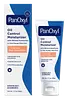 Key Ingredients
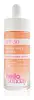
Benefits
Concerns
Ingredients Side-by-side
Zinc Oxide 17%
Cosmetic Colorant


Bisabolol
Antioxidant





Butyloctyl Salicylate
Skin Conditioning
C12-15 Alkyl Benzoate
AntimicrobialCaffeine
Skin Conditioning
Caprylyl Glycol
Emollient
Ethylhexylglycerin
Skin ConditioningGlycerin
Humectant
1,2-Hexanediol
Skin Conditioning
Hydroxyacetophenone
Antioxidant
Hydroxyethyl Acrylate/Sodium Acryloyldimethyl Taurate Copolymer
Emulsion StabilisingPhenethyl Alcohol
MaskingPolyglyceryl-4 Laurate/Succinate


Polyhydroxystearic Acid
Emulsifying
Polymethylsilsesquioxane

Polysorbate 60
Emulsifying
Water
Skin ConditioningSodium Hyaluronate
Humectant
Sodium Hydroxide
BufferingSorbitan Isostearate
Emulsifying
Sorbitan Stearate
Emulsifying
Tapioca Starch
Tetrasodium Glutamate Diacetate
Tocopheryl Acetate
Antioxidant

Triethoxycaprylylsilane
Xanthan Gum
EmulsifyingZinc Oxide 17%, Bisabolol, Butyloctyl Salicylate, C12-15 Alkyl Benzoate, Caffeine, Caprylyl Glycol, Ethylhexylglycerin, Glycerin, 1,2-Hexanediol, Hydroxyacetophenone, Hydroxyethyl Acrylate/Sodium Acryloyldimethyl Taurate Copolymer, Phenethyl Alcohol, Polyglyceryl-4 Laurate/Succinate, Polyhydroxystearic Acid, Polymethylsilsesquioxane, Polysorbate 60, Water, Sodium Hyaluronate, Sodium Hydroxide, Sorbitan Isostearate, Sorbitan Stearate, Tapioca Starch, Tetrasodium Glutamate Diacetate, Tocopheryl Acetate, Triethoxycaprylylsilane, Xanthan Gum
Water
Skin ConditioningButyloctyl Salicylate
Skin Conditioning
Dibutyl Adipate
EmollientDiethylamino Hydroxybenzoyl Hexyl Benzoate
UV Filter
Ethylhexyl Salicylate
UV Absorber
Bis-Ethylhexyloxyphenol Methoxyphenyl Triazine
UV Absorber
Glycerin
Humectant
Dimethicone
Emollient
Butyl Methoxydibenzoylmethane
UV Absorber
Diethylhexyl Butamido Triazone
UV Absorber
Ethylhexyl Triazone
UV Absorber
Dicaprylyl Ether
Emollient
Methylene Bis-Benzotriazolyl Tetramethylbutylphenol
UV Filter
C20-22 Alkyl Phosphate
EmulsifyingC20-22 Alcohols
Emulsion Stabilising
Panthenol
Skin Conditioning
Caprylyl/Capryl Glucoside
CleansingHydroxyacetophenone
Antioxidant
Allantoin
Skin Conditioning
1,2-Hexanediol
Skin Conditioning
Caprylyl Glycol
Emollient
Decyl Glucoside
Cleansing
Dimethiconol
Emollient
Carnosine
Skin Conditioning
Gluconolactone
Skin Conditioning



Sodium Ascorbyl Phosphate
Antioxidant
Sodium Hydroxide
BufferingPolyacrylate Crosspolymer-6
Emulsion StabilisingTetrasodium Glutamate Diacetate
Sodium Hyaluronate
Humectant
Xanthan Gum
EmulsifyingAloe Barbadensis Leaf Juice Powder
Skin Conditioning
Propylene Glycol
Humectant
Pantolactone
Humectant
Tocopherol
Antioxidant
Water, Butyloctyl Salicylate, Dibutyl Adipate, Diethylamino Hydroxybenzoyl Hexyl Benzoate, Ethylhexyl Salicylate, Bis-Ethylhexyloxyphenol Methoxyphenyl Triazine, Glycerin, Dimethicone, Butyl Methoxydibenzoylmethane, Diethylhexyl Butamido Triazone, Ethylhexyl Triazone, Dicaprylyl Ether, Methylene Bis-Benzotriazolyl Tetramethylbutylphenol, C20-22 Alkyl Phosphate, C20-22 Alcohols, Panthenol, Caprylyl/Capryl Glucoside, Hydroxyacetophenone, Allantoin, 1,2-Hexanediol, Caprylyl Glycol, Decyl Glucoside, Dimethiconol, Carnosine, Gluconolactone, Sodium Ascorbyl Phosphate, Sodium Hydroxide, Polyacrylate Crosspolymer-6, Tetrasodium Glutamate Diacetate, Sodium Hyaluronate, Xanthan Gum, Aloe Barbadensis Leaf Juice Powder, Propylene Glycol, Pantolactone, Tocopherol
Reviews
Ingredients Explained
These ingredients are found in both products.
Ingredients higher up in an ingredient list are typically present in a larger amount.
1,2-Hexanediol is a synthetic liquid and another multi-functional powerhouse.
It is a:
- Humectant, drawing moisture into the skin
- Emollient, helping to soften skin
- Solvent, dispersing and stabilizing formulas
- Preservative booster, enhancing the antimicrobial activity of other preservatives
Butyloctyl Salicylate is a chemical UV filter structurally similar to octisalate. It is a photostabilizer, SPF booster, emollient and solvent. This ingredient helps evenly spread out ingredients.
According to a manufacturer, it is suitable for pairing with micro Titanium Dioxide, Zinc Oxide, and pigments.
Photostabilizers help stabilize UV-filters and prevents them from degrading quickly.
Learn more about Butyloctyl SalicylateCaprylyl Glycol is a humectant, skin conditioner, emollient, and preservative booster derived from either caprylic acid or synthetically created.
Typical use levels vary from 0.3-1% as a preservative booster and go up to 2% to condition skin.
Because it is not a free-fatty acid, this ingredient is fungal acne safe (there's nothing for Malassezia to feed on).
Learn more about Caprylyl GlycolGlycerin (or glycerol) is a compound naturally found in your skin. It's a powerhouse humectant that pulls water into the stratum corneum.
Topically, glycerin does several things at once:
Your skin makes glycerin on its own (mostly from sebaceous oil breakdown) and shuttles it to your outermost layer of skin, or your epidermis, via aquaporin-3.
Aquaporin-3 is a transporter that is essential for normal skin hydration, elasticity, and repair. Interestingly, mice lacking in AQP3 have dry and less elastic skin that can be fully corrected with glycerin.
This ingredient is non-irritating, plays well with almost every ingredient, and works across all skin types. Typical use is anywhere between 3-10% but can go up to 79% in some leave-on products.
Just know very high concentrations (>40%) can feel tacky in low humidity.
Glycerin is the name for this ingredient in American English. British English uses Glycerol/Glycerine.
Learn more about GlycerinHydroxyacetophenone is a small phenolic molecule that earns its place in a formulas as an antioxidant and preservative booster.
As a phenol, it is able to neutralize free radicals to protect both the product and the skin from oxidative stress.
Though it can't kill microbes on its own, it works as a good supporting agent when combined with other preservatives like Phenoxyethanol or 1,2-Hexanediol.
This ingredient naturally occurs as piceol in Norwegian spruce needles (~0.4-1.1% dry weight and in cloudberries). Though the cosmetic-grade material is synthesized for purity and consistency.
You'll usually see it used at low levels and suppliers recommend up to 1% added to a water phase.
Safety testing was done at concentrations like 0.05% in SPF products and 0.5% in a Human Repeated Insult Patch Test. The safety evidence is assuring; this ingredient is safe for cosmetics in current use and also holds safety status as a food flavoring as well.
An honest caveat: the "soothing" and "anti-inflammatory" claims come mostly from supplier marketing rather than published clinical trials. The Cosmetic Ingredient Review's own literature search found no useful efficacy studies on this ingredient.
So the antioxidant and preservative-boosting roles are the well supported ones while the calming benefit is plausible but thinly evidenced.
Overall, this is a well-tolerated, low-irritation multitasker that quietly helps a formula stay fresh and stable.
Learn more about HydroxyacetophenoneSodium Hyaluronate is the salt form of hyaluronic acid. It is a long sugar chain that is naturally found in your skin, joints, and connective tissue that maintains hydration and elasticity.
In skincare, it works as a humectant. It pulls water from the environment and deeper layers of skin and binds it to the surface.
Interestingly, the size of the molecule affects its behavior:
Some clinical evidence links low molecular weight versions to improved wrinkle depth, elasticity, anti-inflammatory effects, and barrier repair.
Many serums use a blend of both weights so you can get surface hydration plus longer-lasting and deeper effects.
You'll typically see concentrations between 0.1-2% for this ingredient.
Learn more about Sodium HyaluronateSodium Hydroxide is also known as lye or caustic soda. It is used to adjust the pH of products; many ingredients require a specific pH to be effective.
In small amounts, sodium hydroxide is considered safe to use. However, large amounts may cause chemical burns due to its high alkaline.
Your skin has a natural pH and acid mantle. This acid mantle helps prevent harmful bacteria from breaking through. The acid mantle also helps keep your skin hydrated.
"Alkaline" refers to a high pH level. A low pH level would be considered acidic.
Learn more about Sodium HydroxideTetrasodium Glutamate Diacetate is a chelating agent. Chelating agents help prevent metal ions from binding to other ingredients. This helps prevent unwanted effects and reactions from a product. These metal ions may come from water and are found in miniscule amounts.
Tetrasodium Glutamate Diacetate can also help other preservatives be more effective.
Water. It's the most common cosmetic ingredient of all. You'll usually see it at the top of ingredient lists, meaning that it makes up the largest part of the product.
So why is it so popular? Water most often acts as a solvent - this means that it helps dissolve other ingredients into the formulation.
You'll also recognize water as that liquid we all need to stay alive. If you see this, drink a glass of water. Remember to stay hydrated!
Learn more about WaterXanthan gum is used as a stabilizer and thickener within cosmetic products. It helps give products a sticky, thick feeling - preventing them from being too runny.
On the technical side of things, xanthan gum is a polysaccharide - a combination consisting of multiple sugar molecules bonded together.
Xanthan gum is a pretty common and great ingredient. It is a natural, non-toxic, non-irritating ingredient that is also commonly used in food products.
Learn more about Xanthan Gum

