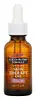
This hydrating oil is formulated around Prunus Amygdalus Dulcis Oil and Vitis Vinifera Seed Oil to hydrate skin and soften the look of wrinkles.
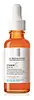
This brightening serum is formulated around Ascorbic Acid and Salicylic Acid to brighten dull-looking skin and refine skin texture.


What's inside
What's inside
 Key Ingredients
Benefits
Concerns
Ingredients Side-by-side
Prunus Amygdalus Dulcis Oil
Skin Conditioning





Vitis Vinifera Seed Oil
Emollient
Isopropyl Myristate
Emollient

Cetearyl Ethylhexanoate
Emollient
Camelina Sativa Seed Oil
Skin Conditioning
Macadamia Ternifolia Seed Oil
Emollient
Sesamum Indicum Seed Oil
Emollient
PEG-40 Sorbitan Peroleate
Emulsifying
Cocos Nucifera Oil
Masking

Prunus Armeniaca Kernel Oil
Masking
Caprylyl Methicone
Skin Conditioning
Theobroma Cacao Seed Butter
Emollient
Tocopheryl Acetate
Antioxidant


Retinol
Skin Conditioning







Ascorbyl Palmitate
Antioxidant
Centella Asiatica Extract
Cleansing

Rosa Canina Seed Extract
EmollientArgania Spinosa Kernel Oil
Emollient
Helianthus Annuus Seed Oil
Emollient
Dimethicone
Emollient
Hydrogenated Methyl Abietate
Parfum
Masking
Caprylic/Capric Triglyceride
Masking
BHT
Antioxidant
Benzyl Benzoate
Antimicrobial
Citronellol
Perfuming
Alpha-Isomethyl Ionone
Perfuming
Geraniol
Perfuming
Hydroxyisohexyl 3-Cyclohexene Carboxaldehyde
Masking
Hexyl Cinnamal
Perfuming
Butylphenyl Methylpropional
Perfuming
Prunus Amygdalus Dulcis Oil, Vitis Vinifera Seed Oil, Isopropyl Myristate, Cetearyl Ethylhexanoate, Camelina Sativa Seed Oil, Macadamia Ternifolia Seed Oil, Sesamum Indicum Seed Oil, PEG-40 Sorbitan Peroleate, Cocos Nucifera Oil, Prunus Armeniaca Kernel Oil, Caprylyl Methicone, Theobroma Cacao Seed Butter, Tocopheryl Acetate, Retinol, Ascorbyl Palmitate, Centella Asiatica Extract, Rosa Canina Seed Extract, Argania Spinosa Kernel Oil, Helianthus Annuus Seed Oil, Dimethicone, Hydrogenated Methyl Abietate, Parfum, Caprylic/Capric Triglyceride, BHT, Benzyl Benzoate, Citronellol, Alpha-Isomethyl Ionone, Geraniol, Hydroxyisohexyl 3-Cyclohexene Carboxaldehyde, Hexyl Cinnamal, Butylphenyl Methylpropional
Water
Skin ConditioningAscorbic Acid
Antioxidant
Cyclohexasiloxane
Emollient
Glycerin
Humectant
Alcohol Denat.
Antimicrobial

Potassium Hydroxide
BufferingPolymethylsilsesquioxane
Polysilicone-11
Dimethicone
Emollient
Propylene Glycol
Humectant
Pentaerythrityl Tetraethylhexanoate
Emollient
C13-14 Isoparaffin
Emollient
Tocopherol
Antioxidant
Sodium Hyaluronate
Humectant
Hydrolyzed Hyaluronic Acid
Humectant
Adenosine
Skin Conditioning
Acetyl Dipeptide-1 Cetyl Ester
Skin Conditioning
PEG-20 Methyl Glucose Sesquistearate
Emulsifying
Poloxamer 338
EmulsifyingSalicylic Acid
Masking

Polyacrylamide
Toluene Sulfonic Acid
SurfactantAmmonium Polyacryloyldimethyl Taurate
Emulsion StabilisingXanthan Gum
EmulsifyingCaprylyl Glycol
Emollient
Disodium EDTA
ChelatingBHT
Antioxidant
Laureth-7
EmulsifyingParfum
Masking
Water, Ascorbic Acid, Cyclohexasiloxane, Glycerin, Alcohol Denat., Potassium Hydroxide, Polymethylsilsesquioxane, Polysilicone-11, Dimethicone, Propylene Glycol, Pentaerythrityl Tetraethylhexanoate, C13-14 Isoparaffin, Tocopherol, Sodium Hyaluronate, Hydrolyzed Hyaluronic Acid, Adenosine, Acetyl Dipeptide-1 Cetyl Ester, PEG-20 Methyl Glucose Sesquistearate, Poloxamer 338, Salicylic Acid, Polyacrylamide, Toluene Sulfonic Acid, Ammonium Polyacryloyldimethyl Taurate, Xanthan Gum, Caprylyl Glycol, Disodium EDTA, BHT, Laureth-7, Parfum
Reviews
Ingredients Explained
These ingredients are found in both products.
Ingredients higher up in an ingredient list are typically present in a larger amount.
BHT is a synthetic antioxidant and preservative.
As an antioxidant, it helps your body fight off free-radicals. Free-radicals are molecules that may damage your skin cells.
As a preservative, it is used to stabilize products and prevent them from degrading. Specifically, BHT prevents degradation from oxidation.
The concerns related to BHT come from oral studies; this ingredient is currently allowed for use by both the FDA and EU.
However, it was recently restricted for use in the UK as of April 2024.
Learn more about BHTDimethicone is a type of synthetic silicone created from natural materials such as quartz. It is also known as polydimethylsiloxane.
What it does:
Dimethicone comes in different viscosities:
Depending on the viscosity, dimethicone has different properties.
Ingredients lists don't always show which type is used, so we recommend reaching out to the brand if you have questions about the viscosity.
This ingredient is unlikely to cause irritation because it does not get absorbed into skin. However, people with silicone allergies should be careful about using this ingredient.
Note: Dimethicone may contribute to pilling. This is because it is not oil or water soluble, so pilling may occur when layered with products. When mixed with heavy oils in a formula, the outcome is also quite greasy.
Learn more about DimethiconeParfum is a catch-all term for an ingredient or more that is used to give a scent to products.
Also called "fragrance", this ingredient can be a blend of hundreds of chemicals or plant oils. This means every product with "fragrance" or "parfum" in the ingredients list is a different mixture.
For instance, Habanolide is a proprietary trade name for a specific aroma chemical. When used as a fragrance ingredient in cosmetics, most aroma chemicals fall under the broad labeling category of “FRAGRANCE” or “PARFUM” according to EU and US regulations.
The term 'parfum' or 'fragrance' is not regulated in many countries. In many cases, it is up to the brand to define this term.
For instance, many brands choose to label themselves as "fragrance-free" because they are not using synthetic fragrances. However, their products may still contain ingredients such as essential oils that are considered a fragrance by INCI standards.
One example is Calendula flower extract. Calendula is an essential oil that still imparts a scent or 'fragrance'.
Depending on the blend, the ingredients in the mixture can cause allergies and sensitivities on the skin. Some ingredients that are known EU allergens include linalool and citronellol.
Parfum can also be used to mask or cover an unpleasant scent.
The bottom line is: not all fragrances/parfum/ingredients are created equally. If you are worried about fragrances, we recommend taking a closer look at an ingredient. And of course, we always recommend speaking with a professional.
Learn more about Parfum

