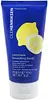
This smoothing exfoliator is formulated around Glycolic Acid and Sucrose to refine skin texture and brighten dull-looking skin.


What's inside
What's inside
 Key Ingredients
Benefits
Concerns
Ingredients Side-by-side
Water
Skin ConditioningGlycerin
Humectant


Glycolic Acid
Buffering










Sucrose
Humectant
Hydrated Silica
Abrasive
Polyglyceryl-10 Dipalmitate
Emollient
Propanediol
Solvent
Lactic Acid
Buffering
Sodium Cocoyl Isethionate
Cleansing
Polyacrylate Crosspolymer-6
Emulsion StabilisingSodium Hydroxide
BufferingSodium Lactate
Buffering
Acrylamide/Sodium Acryloyldimethyltaurate Copolymer
Emulsion StabilisingCitrus Limon Peel Powder
AbsorbentCitrus Limon Fruit Extract
Masking
Ocimum Sanctum Leaf Extract
Skin ConditioningChamomilla Recutita Flower Extract
Masking

Glycyrrhiza Glabra Root Extract
Bleaching
Saccharum Officinarum Extract
MoisturisingCitrus Aurantifolia Peel Extract
Cleansing
Santalum Album Extract
CleansingCitrus Limon Peel Oil
Masking



Citrus Aurantium Bergamia Peel Oil
Perfuming
Leuconostoc/Radish Root Ferment Filtrate
Antimicrobial
Coconut Acid
Cleansing
Sodium Riboflavin Phosphate
Skin ConditioningDimethylhydroxy Furanone
MaskingIsohexadecane
EmollientPolysorbate 80
Emulsifying
Sodium Isethionate
CleansingSorbitan Oleate
Emulsifying
Triethyl Citrate
Masking
Vanillin
Masking
Pentaerythrityl Tetra-Di-T-Butyl Hydroxyhydrocinnamate
Antioxidant
Caprylyl Glycol
Emollient
Phenoxyethanol
Preservative
Limonene
Perfuming
Linalool
Perfuming
Citral
Perfuming
Water, Glycerin, Glycolic Acid, Sucrose, Hydrated Silica, Polyglyceryl-10 Dipalmitate, Propanediol, Lactic Acid, Sodium Cocoyl Isethionate, Polyacrylate Crosspolymer-6, Sodium Hydroxide, Sodium Lactate, Acrylamide/Sodium Acryloyldimethyltaurate Copolymer, Citrus Limon Peel Powder, Citrus Limon Fruit Extract, Ocimum Sanctum Leaf Extract, Chamomilla Recutita Flower Extract, Glycyrrhiza Glabra Root Extract, Saccharum Officinarum Extract, Citrus Aurantifolia Peel Extract, Santalum Album Extract, Citrus Limon Peel Oil, Citrus Aurantium Bergamia Peel Oil, Leuconostoc/Radish Root Ferment Filtrate, Coconut Acid, Sodium Riboflavin Phosphate, Dimethylhydroxy Furanone, Isohexadecane, Polysorbate 80, Sodium Isethionate, Sorbitan Oleate, Triethyl Citrate, Vanillin, Pentaerythrityl Tetra-Di-T-Butyl Hydroxyhydrocinnamate, Caprylyl Glycol, Phenoxyethanol, Limonene, Linalool, Citral
Sucrose
Humectant
Propylene Glycol Dicaprylate/Dicaprate
EmollientOctyldodecanol
Emollient
PEG-7 Glyceryl Cocoate
Emulsifying
Mangifera Indica Seed Butter
Skin Conditioning
Euphorbia Cerifera Cera
Astringent
Disteardimonium Hectorite
StabilisingLactococcus Ferment Lysate
Skin Conditioning
Bromelain
Skin Conditioning
Papain
Skin Conditioning
Lactic Acid
Buffering
Carica Papaya Fruit Extract
Skin ConditioningCitrus Limon Fruit Extract
Masking
Ananas Sativus Fruit Extract
Skin ConditioningVitis Vinifera Fruit Extract
Skin ConditioningTocopheryl Acetate
Antioxidant
Water
Skin ConditioningGlycerin
Humectant
Propylene Carbonate
SolventButylene Glycol
Humectant
Sodium Chloride
MaskingSodium Benzoate
Masking
Phenoxyethanol
Preservative
Parfum
Masking
Limonene
Perfuming
Benzyl Salicylate
Perfuming
Butylphenyl Methylpropional
Perfuming
Sucrose, Propylene Glycol Dicaprylate/Dicaprate, Octyldodecanol, PEG-7 Glyceryl Cocoate, Mangifera Indica Seed Butter, Euphorbia Cerifera Cera, Disteardimonium Hectorite, Lactococcus Ferment Lysate, Bromelain, Papain, Lactic Acid, Carica Papaya Fruit Extract, Citrus Limon Fruit Extract, Ananas Sativus Fruit Extract, Vitis Vinifera Fruit Extract, Tocopheryl Acetate, Water, Glycerin, Propylene Carbonate, Butylene Glycol, Sodium Chloride, Sodium Benzoate, Phenoxyethanol, Parfum, Limonene, Benzyl Salicylate, Butylphenyl Methylpropional
Reviews
Ingredients Explained
These ingredients are found in both products.
Ingredients higher up in an ingredient list are typically present in a larger amount.
Citrus Limon Fruit Extract comes from lemons. While lemon extract is exfoliating and antimicrobial, it can also cause skin sensitivity.
Lemons contains antioxidants, which may help with anti-aging. They are also rich in citric acid, an AHA.
And of course, lemons are rich in Vitamin C. Vitamin C helps with skin-brightening and increasing collagen production.
The acidity of lemons may work as an astringent for acne.
However, lemons can also cause skin sensitivity due to its limonene content. It can also increase photosensitivity, or sensitivity to the sun.
This ingredient is also used to add a lemon scent to products.
Learn more about Citrus Limon Fruit ExtractGlycerin (or glycerol) is a compound naturally found in your skin. It's a powerhouse humectant that pulls water into the stratum corneum.
Topically, glycerin does several things at once:
Your skin makes glycerin on its own (mostly from sebaceous oil breakdown) and shuttles it to your outermost layer of skin, or your epidermis, via aquaporin-3.
Aquaporin-3 is a transporter that is essential for normal skin hydration, elasticity, and repair. Interestingly, mice lacking in AQP3 have dry and less elastic skin that can be fully corrected with glycerin.
This ingredient is non-irritating, plays well with almost every ingredient, and works across all skin types. Typical use is anywhere between 3-10% but can go up to 79% in some leave-on products.
Just know very high concentrations (>40%) can feel tacky in low humidity.
Glycerin is the name for this ingredient in American English. British English uses Glycerol/Glycerine.
Learn more about GlycerinLactic Acid is another well-loved alpha hydroxy acid (AHA). It is gentler than glycolic acid but still highly effective.
Its main role is to exfoliate the surface of the skin by loosening the “glue” that holds dead skin cells together. Shedding those old cells leads to smoother, softer, and more even-toned skin.
Because lactic acid molecules are larger than glycolic acid, they don’t penetrate as deeply. This means they’re less likely to sting or irritate, making it a great choice for beginners or those with sensitive skin.
Like glycolic acid, it can:
Lactic acid also acts as a humectant (like hyaluronic acid). It can draw water into the skin to improve hydration and also plays a role in the skin's natural moisturizing factor (NMF) in the form of sodium lactate.
Studies show it can boost ceramide production to strengthen the skin barrier and even help balance the skin’s microbiome.
To get results, choose products with a pH between 3-4.
Lower strengths (5-12%) focus on surface exfoliation; higher strengths (12% and up) can reach deeper in the dermis (deeper, supportive layer) to improve skin texture and firmness over time.
Though it was originally derived from milk, most modern lactic acid used in skincare is vegan. It is made through non-dairy fermentation to create a bio-identical and stable form suitable for all formulations.
When lactic acid shows up near the end of an ingredient list, it usually means the brand added just a tiny amount to adjust the product’s pH.
Legend has it that Cleopatra used to bathe in sour milk to help reduce wrinkles.
Lactic acid is truly a gentle multitasker: it exfoliates, hydrates, strengthens, and brightens. It's a great ingredient for giving your skin a smooth, glowing, and healthy look without the harshness of stronger acids.
Read more about some other popular AHA's here:
Learn more about Lactic AcidLimonene is the compound that gives citrus peel its smell.
In skincare, it shows up as a standalone fragrance ingredient or as a natural compound of citrus and other essential oils.
You'll typically see this ingredient used in very small amounts; anything above 0.001% in a leave-on product or 0.01% in a rinse-off has to be named on the label in the EU. The citrus oils that carry it sit around 0.5-1% in a finished formula.
Fresh limonene is a weak allergen; the real issue is that it slowly reacts with air and then breaks down from oxidation to create hydroperoxides (which are strong sensitizers). This is why suppliers are required to keep the peroxide value below 20 mmol.
Positive reactions in people being investigated for eczema vary:
It's worth skipping if you have a known fragrance allergy or a compromised barrier, but the risk is low for most people.
Older or long-opened products are also more likely to bother you than fresh ones due to oxidation.
Learn more about LimonenePhenoxyethanol is one of the most widely used preservatives in skincare (and for good reason!).
It has a large spectrum of antimicrobial activity and especially effective bacteria, yeast, and mold while only having a weak effect on your skin's natural microbiome.
On a cellular level, it disrupts the cell membranes of microbes by poking holes that make the cell leak. This shuts down the chemical reactions the microbe needs to make energy so it can no longer survive.
Another perk of this ingredient is that it stays functional across a wide pH range (3-10).
You'll often see it paired with boosters like Ethylhexylglycerin; one study showed that a 1:9 ratio of Ethylhexylglycerin to Phenoxyethanol damages bacterial membranes as effectively as doubling the Phenoxyethanol concentration on its own.
Typical use concentrations range from 0.3-1% depending on the formula, and this ingredient is capped at 1% int the EU.
Safety-wise, the fear mongering does not hold up to the evidence. The EU's Scientific Committee on Consumer Safety and FDA consider it safe as a preservative at up to 1%, including for children of all ages.
Adverse systemic effects only showed up in animal studies at exposures roughly 200x higher than what people get from cosmetics. And despite its very widespread use, this ingredient is a rare sensitizer and allergic reactions are uncommon.
Learn more about PhenoxyethanolSucrose is a natural sugar found in fruits, vegetables, and nuts. It is the main constituent of white sugar.
In skincare, sucrose is a humectant and can be a mild exfoliant.
Sucrose is hydrophilic, meaning it attracts water. This makes it an effective humectant and helps hydrate the skin.
Studies show sugars may worsen acne-prone skin due to it disrupting the skin's natural biome. We recommend speaking with a professional if you have any concerns.
In some products such as body scrubs, sucrose is used as an gentle exfoliant.
The term 'sucrose' comes from the french word for sugar, 'sucre'.
Learn more about SucroseWater. It's the most common cosmetic ingredient of all. You'll usually see it at the top of ingredient lists, meaning that it makes up the largest part of the product.
So why is it so popular? Water most often acts as a solvent - this means that it helps dissolve other ingredients into the formulation.
You'll also recognize water as that liquid we all need to stay alive. If you see this, drink a glass of water. Remember to stay hydrated!
Learn more about Water

