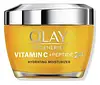
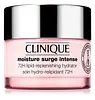
Olay Vitamin C + Peptide 24 Versus Clinique Moisture Surge Intense 72H Lipid-Replenishing Hydrator Moisturizer
This brightening moisturizer is formulated around Niacinamide and 3-O-Ethyl Ascorbic Acid to brighten dull-looking skin and soften the look of wrinkles.
This barrier-repair moisturizer is formulated around Squalane and Sodium Hyaluronate to strengthen the skin barrier and hydrate skin.

What's inside
What's inside
 Key Ingredients
Benefits
Concerns
Ingredients Side-by-side
Water
Skin ConditioningGlycerin
Humectant


Isohexadecane
EmollientNiacinamide
Smoothing









Dimethicone
Emollient
Lactic Acid
Buffering



Isopropyl Isostearate
Emollient


Sodium Polyacryloyldimethyl Taurate
Emulsion StabilisingStearyl Alcohol
Emollient
3-O-Ethyl Ascorbic Acid
Skin Conditioning
Palmitoyl Pentapeptide-4
Skin Conditioning
Panthenol
Skin Conditioning
Sodium Lactate
Buffering
Trehalose
Humectant
Cetearyl Glucoside
Emulsifying
Cetearyl Alcohol
Emollient
Behenyl Alcohol
Emollient
Cetyl Alcohol
Emollient
Stearic Acid
Cleansing
Palmitic Acid
Emollient
Dimethiconol
Emollient
PEG-100 Stearate
Surfactant
Sodium Benzoate
Masking
Parfum
Masking

Ascorbic Acid
Antioxidant
Avena Sativa Peptide
Skin Conditioning
Water, Glycerin, Isohexadecane, Niacinamide, Dimethicone, Lactic Acid, Isopropyl Isostearate, Sodium Polyacryloyldimethyl Taurate, Stearyl Alcohol, 3-O-Ethyl Ascorbic Acid, Palmitoyl Pentapeptide-4, Panthenol, Sodium Lactate, Trehalose, Cetearyl Glucoside, Cetearyl Alcohol, Behenyl Alcohol, Cetyl Alcohol, Stearic Acid, Palmitic Acid, Dimethiconol, PEG-100 Stearate, Sodium Benzoate, Parfum, Ascorbic Acid, Avena Sativa Peptide
Water
Skin ConditioningGlycerin
Humectant
Dimethicone
Emollient
Isopropyl Isostearate
Emollient
Dipropylene Glycol
HumectantSqualane
Emollient
PEG/PPG-18/18 Dimethicone
Emulsifying
Silica
Abrasive
Tocopheryl Acetate
Antioxidant
Sodium Hyaluronate
Humectant
Olea Europaea Fruit Extract
BleachingCentella Asiatica Extract
Cleansing
Aloe Barbadensis Leaf Water
MaskingPalmitoyl Hexapeptide-12
Skin Conditioning
Triticum Vulgare Bran Extract
Skin ConditioningCaffeine
Skin Conditioning
Methyl Trimethicone
Skin Conditioning
Sorbitol
Humectant
Sodium Polyaspartate
HumectantPetrolatum
Emollient
Trehalose
Humectant
Whey Protein
Skin ConditioningLinoleic Acid
Cleansing
Pyridoxine Dipalmitate
Skin ConditioningButylene Glycol
Humectant
Cholesterol
Emollient
Sucrose
Humectant
Polysilicone-11
Glyceryl Polymethacrylate
PEG-150
HumectantPEG-8
HumectantHydroxyethyl Urea
Humectant
Hydroxyacetophenone
Antioxidant
BHT
Antioxidant
Disodium EDTA
ChelatingSodium Hexametaphosphate
ChelatingSodium Benzoate
Masking
Potassium Sorbate
Preservative
Phenoxyethanol
Preservative
Water, Glycerin, Dimethicone, Isopropyl Isostearate, Dipropylene Glycol, Squalane, PEG/PPG-18/18 Dimethicone, Silica, Tocopheryl Acetate, Sodium Hyaluronate, Olea Europaea Fruit Extract, Centella Asiatica Extract, Aloe Barbadensis Leaf Water, Palmitoyl Hexapeptide-12, Triticum Vulgare Bran Extract, Caffeine, Methyl Trimethicone, Sorbitol, Sodium Polyaspartate, Petrolatum, Trehalose, Whey Protein, Linoleic Acid, Pyridoxine Dipalmitate, Butylene Glycol, Cholesterol, Sucrose, Polysilicone-11, Glyceryl Polymethacrylate, PEG-150, PEG-8, Hydroxyethyl Urea, Hydroxyacetophenone, BHT, Disodium EDTA, Sodium Hexametaphosphate, Sodium Benzoate, Potassium Sorbate, Phenoxyethanol
Reviews
Ingredients Explained
These ingredients are found in both products.
Ingredients higher up in an ingredient list are typically present in a larger amount.
Dimethicone is a type of synthetic silicone created from natural materials such as quartz. It is also known as polydimethylsiloxane.
What it does:
Dimethicone comes in different viscosities:
Depending on the viscosity, dimethicone has different properties.
Ingredients lists don't always show which type is used, so we recommend reaching out to the brand if you have questions about the viscosity.
This ingredient is unlikely to cause irritation because it does not get absorbed into skin. However, people with silicone allergies should be careful about using this ingredient.
Note: Dimethicone may contribute to pilling. This is because it is not oil or water soluble, so pilling may occur when layered with products. When mixed with heavy oils in a formula, the outcome is also quite greasy.
Learn more about DimethiconeGlycerin (or glycerol) is a compound naturally found in your skin. It's a powerhouse humectant that pulls water into the stratum corneum.
Topically, glycerin does several things at once:
Your skin makes glycerin on its own (mostly from sebaceous oil breakdown) and shuttles it to your outermost layer of skin, or your epidermis, via aquaporin-3.
Aquaporin-3 is a transporter that is essential for normal skin hydration, elasticity, and repair. Interestingly, mice lacking in AQP3 have dry and less elastic skin that can be fully corrected with glycerin.
This ingredient is non-irritating, plays well with almost every ingredient, and works across all skin types. Typical use is anywhere between 3-10% but can go up to 79% in some leave-on products.
Just know very high concentrations (>40%) can feel tacky in low humidity.
Glycerin is the name for this ingredient in American English. British English uses Glycerol/Glycerine.
Learn more about GlycerinIsopropyl Isostearate is a synthetic ester made by combining isopropyl alcohol and isostearic acid. Its an emollient that helps hydrate skin.
This also allows it to improve spreadability of a product and give products a silky feel on skin.
While this ingredient was given a comedogenic rating of 4-5, research has shown that finished products containing comedogenic ingredients don't always increase the formation of microcomedones.
Since isostearic acid is a C18 fatty acid, this ingredient falls within the range that Malassezia feeds on. This ingredient may not be fungal acne safe.
Learn more about Isopropyl IsostearateSodium Benzoate is a preservative. It's used in both cosmetic and food products to inhibit the growth of mold and bacteria. It is typically produced synthetically.
Both the US FDA and EU Health Committee have approved the use of sodium benzoate. In the US, levels of 0.1% (of the total product) are allowed.
Sodium benzoate works as a preservative by inhibiting the growth of bacteria inside of cells. It prevents the cell from fermenting a type of sugar using an enzyme called phosphofructokinase.
It is the salt of benzoic acid. Foods containing sodium benzoate include soda, salad dressings, condiments, fruit juices, wines, and snack foods.
Studies for using ascorbic acid and sodium benzoate in cosmetics are lacking, especially in skincare routines with multiple steps.
We always recommend speaking with a professional, such as a dermatologist, if you have any concerns.
Learn more about Sodium BenzoateTrehalose is a disaccharide made of two glucose molecules (glucose is sugar!). Trehalose is used to help moisturize skin. It also has antioxidant properties.
As a humectant, trehalose helps draw moisture from the air to your skin. This helps keep your skin hydrated.
Due to its antioxidant properties, trehalose may help with signs of aging. Antioxidants help fight free-radical molecules, unstable molecules that may damage your skin.
In medicine, trehalose and hyaluronic acid are used to help treat dry eyes.
Some animals, plants, and bacteria create trehalose as a source of energy to survive freeze or lack of water.
Learn more about TrehaloseWater. It's the most common cosmetic ingredient of all. You'll usually see it at the top of ingredient lists, meaning that it makes up the largest part of the product.
So why is it so popular? Water most often acts as a solvent - this means that it helps dissolve other ingredients into the formulation.
You'll also recognize water as that liquid we all need to stay alive. If you see this, drink a glass of water. Remember to stay hydrated!
Learn more about Water

