
What's inside
What's inside
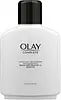 Key Ingredients
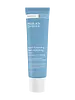
Benefits
Concerns
Ingredients Side-by-side
Ethylhexyl Methoxycinnamate 6%
UV Absorber


Zinc Oxide
Cosmetic Colorant
Water
Skin ConditioningGlycerin
Humectant



Isohexadecane
EmollientAloe Barbadensis Leaf Extract
Emollient

Tocopheryl Acetate
Antioxidant

Steareth-21
CleansingCyclopentasiloxane
Emollient
Polyacrylamide
Stearyl Alcohol
Emollient

C13-14 Isoparaffin
Emollient
Behenyl Alcohol
Emollient
DMDM Hydantoin
Preservative
Cetyl Alcohol
Emollient
PEG/PPG-20/20 Dimethicone
Emulsifying
Laureth-7
EmulsifyingSteareth-2
EmulsifyingDisodium EDTA
Triethoxycaprylylsilane
Oleth-3 Phosphate
BHT
Antioxidant
Iodopropynyl Butylcarbamate
Preservative
Ethylhexyl Methoxycinnamate 6%, Zinc Oxide, Water, Glycerin, Isohexadecane, Aloe Barbadensis Leaf Extract, Tocopheryl Acetate, Steareth-21, Cyclopentasiloxane, Polyacrylamide, Stearyl Alcohol, C13-14 Isoparaffin, Behenyl Alcohol, DMDM Hydantoin, Cetyl Alcohol, PEG/PPG-20/20 Dimethicone, Laureth-7, Steareth-2, Disodium EDTA, Triethoxycaprylylsilane, Oleth-3 Phosphate, BHT, Iodopropynyl Butylcarbamate
Butyl Methoxydibenzoylmethane 2%
UV Absorber
Ethylhexyl Methoxycinnamate 7.5%
UV Absorber
Ethylhexyl Salicylate 5%
UV Absorber
Octocrylene 2%
UV Absorber
Water
Skin ConditioningGlycerin
Humectant
Silica
Abrasive
Dimethicone
Emollient
Tocopherol
Antioxidant
Chamomilla Recutita Flower Extract
Masking
Vitis Vinifera Seed Extract
Antimicrobial
Camellia Sinensis Leaf Extract
Antimicrobial
Camellia Oleifera Leaf Extract
AstringentPeucedanum Graveolens Extract
TonicSambucus Nigra Fruit Extract
AstringentAvena Sativa Bran Extract
Abrasive
Punica Granatum Extract
AstringentLycium Barbarum Fruit Extract
Astringent
Hydrogenated Lecithin
Emulsifying
Titanium Dioxide
Cosmetic Colorant
Dimethicone/Vinyl Dimethicone Crosspolymer
Skin Conditioning
Diethylhexyl Syringylidenemalonate
Skin ProtectingHydroxyethyl Acrylate/Sodium Acryloyldimethyl Taurate Copolymer
Emulsion StabilisingXanthan Gum
EmulsifyingSodium Carbomer
Emulsion StabilisingBenzyl Alcohol
Perfuming



Sodium Benzoate
Masking
Potassium Sorbate
Preservative
Phenoxyethanol
Preservative
Butyl Methoxydibenzoylmethane 2%, Ethylhexyl Methoxycinnamate 7.5%, Ethylhexyl Salicylate 5%, Octocrylene 2%, Water, Glycerin, Silica, Dimethicone, Tocopherol, Chamomilla Recutita Flower Extract, Vitis Vinifera Seed Extract, Camellia Sinensis Leaf Extract, Camellia Oleifera Leaf Extract, Peucedanum Graveolens Extract, Sambucus Nigra Fruit Extract, Avena Sativa Bran Extract, Punica Granatum Extract, Lycium Barbarum Fruit Extract, Hydrogenated Lecithin, Titanium Dioxide, Dimethicone/Vinyl Dimethicone Crosspolymer, Diethylhexyl Syringylidenemalonate, Hydroxyethyl Acrylate/Sodium Acryloyldimethyl Taurate Copolymer, Xanthan Gum, Sodium Carbomer, Benzyl Alcohol, Sodium Benzoate, Potassium Sorbate, Phenoxyethanol
Reviews
Ingredients Explained
These ingredients are found in both products.
Ingredients higher up in an ingredient list are typically present in a larger amount.
Ethylhexyl Methoxycinnamate is an organic compound that provides UVB protection. It often goes by the more common name of octinoxate. It is created from methoxycinnamic acid and 2-ethylhexanol.
Ethylhexyl Methoxycinnamate absorbs UVB rays with wavelengths between 280-320 nm. UV absorbers protect your skin by using chemical reactions to convert UV rays into heat and energy.
UVB (290-320 nm) rays emit more energy than UVA rays. They are capable of damaging DNA, causing sunburns and are thought to be linked to skin cancer.
The state of Hawaii has banned sunscreens containing octinoxate due to its potential impact on coral reefs. More research is needed to bridge gaps in this research. The European Union allows higher levels of octinoxate in sunscreens than the US and Australia.
Ethylhexyl Methoxycinnamate is oil soluble. It is not stable and may lose efficacy when exposed to sunlight.
Learn more about Ethylhexyl MethoxycinnamateGlycerin is already naturally found in your skin. It helps moisturize and protect your skin.
A study from 2016 found glycerin to be more effective as a humectant than AHAs and hyaluronic acid.
As a humectant, it helps the skin stay hydrated by pulling moisture to your skin. The low molecular weight of glycerin allows it to pull moisture into the deeper layers of your skin.
Hydrated skin improves your skin barrier; Your skin barrier helps protect against irritants and bacteria.
Glycerin has also been found to have antimicrobial and antiviral properties. Due to these properties, glycerin is often used in wound and burn treatments.
In cosmetics, glycerin is usually derived from plants such as soybean or palm. However, it can also be sourced from animals, such as tallow or animal fat.
This ingredient is organic, colorless, odorless, and non-toxic.
Glycerin is the name for this ingredient in American English. British English uses Glycerol/Glycerine.
Learn more about GlycerinWater. It's the most common cosmetic ingredient of all. You'll usually see it at the top of ingredient lists, meaning that it makes up the largest part of the product.
So why is it so popular? Water most often acts as a solvent - this means that it helps dissolve other ingredients into the formulation.
You'll also recognize water as that liquid we all need to stay alive. If you see this, drink a glass of water. Stay hydrated!
Learn more about Water
