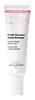
This barrier-repair moisturizer is formulated around Sodium PCA and Alpha-Glucan Oligosaccharide to strengthen the skin barrier and hydrate skin.
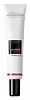
This anti-aging moisturizer is formulated around Butyrospermum Parkii Butter and Sodium Hyaluronate to soften the look of wrinkles and hydrate skin.

What's inside
What's inside
 Key Ingredients
Benefits
Concerns
Ingredients Side-by-side
Water
Skin ConditioningGlycerin
Humectant


Dicaprylyl Ether
Emollient
Octyldodecanol
Emollient
Propanediol
Solvent
Caprylic/Capric Triglyceride
Masking
Arachidyl Alcohol
Emollient
Sodium PCA
Humectant
Glyceryl Stearate
Emollient

Parfum
Masking



Behenyl Alcohol
Emollient
Alpha-Glucan Oligosaccharide
Cleansing
C10-18 Triglycerides
Emollient
Magnesium PCA
Humectant
Sodium Hyaluronate
Humectant


Aloe Barbadensis Leaf Juice
Skin Conditioning
Camelina Sativa Seed Oil
Skin Conditioning
Lactobacillus Ferment
Skin Conditioning
Oenothera Biennis Seed Extract
Skin ConditioningSodium Lactate
Buffering
Arginine
Masking
Saccharide Isomerate
Humectant
Arachidyl Glucoside
EmulsifyingGlyceryl Behenate
Emollient
Glyceryl Caprylate
EmollientTocopherol
Antioxidant



Citric Acid
Buffering
Phytic Acid
Chelating
Sodium Citrate
BufferingRosmarinus Officinalis Leaf Extract
AntimicrobialWater, Glycerin, Dicaprylyl Ether, Octyldodecanol, Propanediol, Caprylic/Capric Triglyceride, Arachidyl Alcohol, Sodium PCA, Glyceryl Stearate, Parfum, Behenyl Alcohol, Alpha-Glucan Oligosaccharide, C10-18 Triglycerides, Magnesium PCA, Sodium Hyaluronate, Aloe Barbadensis Leaf Juice, Camelina Sativa Seed Oil, Lactobacillus Ferment, Oenothera Biennis Seed Extract, Sodium Lactate, Arginine, Saccharide Isomerate, Arachidyl Glucoside, Glyceryl Behenate, Glyceryl Caprylate, Tocopherol, Citric Acid, Phytic Acid, Sodium Citrate, Rosmarinus Officinalis Leaf Extract
Caprylic/Capric Triglyceride
Masking
Glycerin
Humectant
Butyrospermum Parkii Butter
Skin Conditioning

Butylene Glycol
Humectant
Coco-Caprylate
Emollient
Helianthus Annuus Seed Oil
Emollient
Sucrose Stearate
EmollientTrehalose
Humectant
Parfum
Masking
Sucrose Distearate
Emollient
Arginine
Masking
Sodium Hyaluronate
Humectant
Glyceryl Caprylate
EmollientChondrus Crispus Extract
Skin Conditioning
Xanthan Gum
EmulsifyingLaminaria Ochroleuca Extract
Skin Conditioning
Aloe Barbadensis Leaf Juice
Skin Conditioning
Biosaccharide Gum-2
Skin ConditioningPyrus Malus Seed Extract
Skin ConditioningCommiphora Mukul Resin Extract
Skin ConditioningAlaria Esculenta Extract
Skin Protecting
Citric Acid
Buffering
Phytic Acid
Chelating
Brassica Oleracea Italica Extract
AstringentCamellia Sinensis Leaf Extract
Antimicrobial

Silybum Marianum Extract
Skin Conditioning
Caprylic/Capric Triglyceride, Glycerin, Butyrospermum Parkii Butter, Butylene Glycol, Coco-Caprylate, Helianthus Annuus Seed Oil, Sucrose Stearate, Trehalose, Parfum, Sucrose Distearate, Arginine, Sodium Hyaluronate, Glyceryl Caprylate, Chondrus Crispus Extract, Xanthan Gum, Laminaria Ochroleuca Extract, Aloe Barbadensis Leaf Juice, Biosaccharide Gum-2, Pyrus Malus Seed Extract, Commiphora Mukul Resin Extract, Alaria Esculenta Extract, Citric Acid, Phytic Acid, Brassica Oleracea Italica Extract, Camellia Sinensis Leaf Extract, Silybum Marianum Extract
Ingredients Explained
These ingredients are found in both products.
Ingredients higher up in an ingredient list are typically present in a larger amount.
Aloe Barbadensis Leaf Juice is the filtered, stabilized liquid pressed from the inner gel of the aloe vera leaf.
In cosmetics, it shows up as either soothing active or a water-replacement base. It is roughly 98-99% water and the last 1-2% is an interesting mix of polysaccharides, amino acids, vitamins, minerals, and enzymes.
The polysaccharides do most of the work: they bind water at the skin surface for a light, non-greasy hydration boost. And one of the polysaccharides, glycomannan, is linked to fibroblast stimulation + collagen synthesis. This is also why aloe has such a long track record in wound and burn healing.
This ingredient is also calming with anti-inflammatory and mild antimicrobial activity, making it a great pick for sensitive, irritated, or post-sun skin.
Realistic expectations matter though; the solid evidence is mostly limited to hydration, soothing, and wound support. Deeper claims about anti-aging or sun protection are not well backed, and science reviews note it does not prevent radiation-induced skin injury.
Because it plays well with almost everything, it's commonly used as a base alongside other actives like niacinamide or vitamin C.
Typical usage concentrations range from 0.5% (where hydration benefits already show up) all the way to 90%+ (where it replaces water as the main base).
The safety for this ingredient is well-establish as well. Overall, this is a great supporting ingredient for those who want a boost in hydration.
Learn more about Aloe Barbadensis Leaf JuiceArginine is a semi-essential amino acid. This just means our bodies can product a bit on its own, but sometimes needs a little boost from food sources.
It is a part of your skin's natural moisturizing factor (NMF), or the water-loving molecules in your outermost layer of skin (stratum corneum) that keeps everything hydrated and happy.
Here's an interesting thing about Arginine: your skin converts it into urea through the Krebs-Henseleit urea cycle. Urea is one of the most effective humectants your skin naturally produces.
A clinical study showed applying 2.5% arginine hydrochloride to atopic dermatitis skin showed significant urea levels in the stratum corneum and improved moisture in just four weeks.
Arginine is also a precursor to nitric oxide; nitric oxide improves microcirculation and supports wound healing and collagen synthesis.
One study found that an amino acid complex containing Arginine reduced skin irritation, improved hydration, and accelerated skin repair in clinical / in-vivo studies.
Arginine itself is an amino acid and not a fatty acid, oil, or ester. On its own, it's not a direct food source for Malassezia, or the yeast that causes fungal acne.
Learn more about ArginineCaprylic/Capric Triglyceride (aka MCT Oil) is a lightweight emollient, solvent, and texture enhancer. It is considered a skin-softener by helping to prevent moisture loss.
Though it behaves like an oil, it is not technically one due to its chemical composition. One perk of this ingredient is that it is very stable, resistant to oxidation, and unlikely to go rancid.
In practice, that translates to a long shelf life and a consistently elegant skin feel.
While there is an assumption Caprylic Triglyceride can clog pores due to it being derived from coconut oil, there is no research supporting this. Just patch test if you have concerns.
Fractionated coconut oil and MCT Oil are both listed as Caprylic/Capric Triglyceride according to INCI. This is because INCI names are based on the ingredient’s final chemical composition and not its marketing name or source.
This ingredient is treated as the gold standard fungal acne safe oil. Even though it is coconut derived, the problematic lauric acid is stripped out.
This leaves just caprylic (C8) and capric (C10) acid. These chain lengths actually trend antifungal; a 2020 study found caprylic acid was enough to disrupt Malassezia furfur cell membrane, with a caprylic acid derivative damaging membrane structures at concentrations as low as 0.2%.
Learn more about Caprylic/Capric TriglycerideCitric Acid is an alpha hydroxy acid (AHA) naturally found in citrus fruits like oranges, lemons, and limes.
Like other AHAs, citric acid can exfoliate skin by breaking down the bonds that hold dead skin cells together. This helps reveal smoother and brighter skin underneath.
However, this exfoliating effect only happens at high concentrations (20%) which can be hard to find in cosmetic products.
Due to this, citric acid is usually included in small amounts as a pH adjuster. This helps keep products slightly more acidic and compatible with skin's natural pH.
In skincare formulas, citric acid can:
While it can provide some skin benefits, research shows lactic acid and glycolic acid are generally more effective and less irritating exfoliants.
Most citric acid used in skincare today is made by fermenting sugars (usually from molasses). This synthetic version is identical to the natural citrus form but easier to stabilize and use in formulations.
Rosacea skin has a lower threshold for acids generally, with 62.5% of rosacea subjects in one study reacting to lactic acid in a sting test. This is why we mark citric acid as a potential rosacea trigger.
However, this ingredient shows up as a pH adjuster or chelator at roughly 0.1-1% in many products. These low levels are unlikely to be an issue for rosacea skin and becomes a potential trigger at exfoliating concentrations (20%). Because everybody's skin is unique, we recommend a patch test if you are unsure.
Learn more about Citric AcidGlycerin (or glycerol) is a compound naturally found in your skin. It's a powerhouse humectant that pulls water into the stratum corneum.
Topically, glycerin does several things at once:
Your skin makes glycerin on its own (mostly from sebaceous oil breakdown) and shuttles it to your outermost layer of skin, or your epidermis, via aquaporin-3.
Aquaporin-3 is a transporter that is essential for normal skin hydration, elasticity, and repair. Interestingly, mice lacking in AQP3 have dry and less elastic skin that can be fully corrected with glycerin.
This ingredient is non-irritating, plays well with almost every ingredient, and works across all skin types. Typical use is anywhere between 3-10% but can go up to 79% in some leave-on products.
Just know very high concentrations (>40%) can feel tacky in low humidity.
Glycerin is the name for this ingredient in American English. British English uses Glycerol/Glycerine.
Learn more about GlycerinGlyceryl Caprylate comes from glycerin and caprylic acid. It is an emollient, co-emulsifier, and preservative booster.
Its short C8 fatty acid chain makes it behave differently from its longer-chain emollient cousins like Glyceryl Stearate. It feels more lightweight, fast-absorbing, and silky instead of rich and waxy.
As a co-emulsifier, its "head" and "tail" sit at the oil-water interface. But overall, the short C8 tail and not being water soluble means it doesn't really have the muscle to emulsify a formula on its own. That's why you'll often see it paired with a primary emulsifier like Cetearyl Glucoside.
Interestingly, Glyceryl Caprylate acts as a preservative booster. This is because its fatty-acid backbone disrupts microbial lipid membranes. It shows excellent activity against bacteria and yeast but is weaker against mold.
Typical concentrations range from 0.5-1% and this ingredient is generally non-irritating.
Because this ingredient has a C8 fatty acid chain, it is outside the range that the Malassezia yeast metabolizes (making it fungal acne safe).
Learn more about Glyceryl CaprylateParfum is a catch-all term for an ingredient or more that is used to give a scent to products.
Also called "fragrance", this ingredient can be a blend of hundreds of chemicals or plant oils. This means every product with "fragrance" or "parfum" in the ingredients list is a different mixture.
For instance, Habanolide is a proprietary trade name for a specific aroma chemical. When used as a fragrance ingredient in cosmetics, most aroma chemicals fall under the broad labeling category of “FRAGRANCE” or “PARFUM” according to EU and US regulations.
The term 'parfum' or 'fragrance' is not regulated in many countries. In many cases, it is up to the brand to define this term.
For instance, many brands choose to label themselves as "fragrance-free" because they are not using synthetic fragrances. However, their products may still contain ingredients such as essential oils that are considered a fragrance by INCI standards.
One example is Calendula flower extract. Calendula is an essential oil that still imparts a scent or 'fragrance'.
Depending on the blend, the ingredients in the mixture can cause allergies and sensitivities on the skin. Some ingredients that are known EU allergens include linalool and citronellol.
Parfum can also be used to mask or cover an unpleasant scent.
The bottom line is: not all fragrances/parfum/ingredients are created equally. If you are worried about fragrances, we recommend taking a closer look at an ingredient. And of course, we always recommend speaking with a professional.
Learn more about ParfumPhytic Acid is a gentle AHA and antioxidant. AHAs are chemical exfoliants that help remove dead skin cells. Phytic Acid has a slight and mild exfoliating effect.
The chemical makeup makes it classified as an AHA, much like lactic acid.
In some cases, it is a chelating agent. Chelating agents help prevent metals from binding to water, helping to stabilize the ingredients in a product.
An interesting fact about phytic acid is that it is considered an antinutrient. People do not have the enzyme needed to properly breakdown and digest phytic acid. When ingested, phytic acid binds to minerals and prevents them from being absorbed.
Read more about some other popular AHA's here:
Learn more about Phytic AcidSodium Hyaluronate is the salt form of hyaluronic acid. It is a long sugar chain that is naturally found in your skin, joints, and connective tissue that maintains hydration and elasticity.
In skincare, it works as a humectant. It pulls water from the environment and deeper layers of skin and binds it to the surface.
Interestingly, the size of the molecule affects its behavior:
Some clinical evidence links low molecular weight versions to improved wrinkle depth, elasticity, anti-inflammatory effects, and barrier repair.
Many serums use a blend of both weights so you can get surface hydration plus longer-lasting and deeper effects.
You'll typically see concentrations between 0.1-2% for this ingredient.
Learn more about Sodium Hyaluronate

