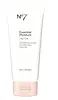
This barrier-repair day moisturizer is formulated around Petrolatum and Oenothera Biennis Oil to strengthen the skin barrier and hydrate skin.
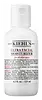
This day moisturizer is formulated around Squalene to hydrate skin.


What's inside
What's inside
 Key Ingredients
Benefits
Concerns
Ingredients Side-by-side
Water
Skin ConditioningPetrolatum
Emollient



Cetearyl Ethylhexanoate
Emollient

Glycerin
Humectant

Butylene Glycol
Humectant
Cetearyl Alcohol
Emollient



Glyceryl Stearate
Emollient
PEG-100 Stearate
Surfactant
Theobroma Cacao Seed Butter
Emollient
Arachidyl Propionate
EmollientVp/Hexadecene Copolymer
Dimethicone
Emollient
Phenoxyethanol
Preservative
Tocopheryl Acetate
Antioxidant


Stearic Acid
Cleansing
Palmitic Acid
Emollient
Oenothera Biennis Oil
Emollient

Isopropyl Myristate
Emollient
Propylene Glycol
Humectant
Methylparaben
Preservative

Propylparaben
Preservative
Carbomer
Emulsion StabilisingPotassium Hydroxide
BufferingTetrasodium EDTA
ChelatingSambucus Nigra Flower Extract
RefreshingBHT
Antioxidant
Sorbitol
Humectant
CI 14700
Cosmetic ColorantCI 42090
Cosmetic ColorantWater, Petrolatum, Cetearyl Ethylhexanoate, Glycerin, Butylene Glycol, Cetearyl Alcohol, Glyceryl Stearate, PEG-100 Stearate, Theobroma Cacao Seed Butter, Arachidyl Propionate, Vp/Hexadecene Copolymer, Dimethicone, Phenoxyethanol, Tocopheryl Acetate, Stearic Acid, Palmitic Acid, Oenothera Biennis Oil, Isopropyl Myristate, Propylene Glycol, Methylparaben, Propylparaben, Carbomer, Potassium Hydroxide, Tetrasodium EDTA, Sambucus Nigra Flower Extract, BHT, Sorbitol, CI 14700, CI 42090
Water
Skin ConditioningPropylene Glycol
Humectant
Dicaprylyl Ether
Emollient
Glycerin
Humectant
PEG-100 Stearate
Surfactant
Glyceryl Stearate
Emollient
Squalene
Emollient
Hydrogenated Polyisobutene
EmollientPhenoxyethanol
Preservative
Sorbitan Oleate
Emulsifying
Caprylyl Glycol
Emollient
Acrylates/C10-30 Alkyl Acrylate Crosspolymer
Emulsion StabilisingTriethanolamine
BufferingBeeswax
Emulsion Stabilising
Tocopherol
Antioxidant

Disodium EDTA
ChelatingStearic Acid
Cleansing
Myristyl Alcohol
Emollient
Prunus Amygdalus Dulcis Oil
Skin Conditioning
Prunus Armeniaca Kernel Oil
Masking
Persea Gratissima Oil
Skin Conditioning
Water, Propylene Glycol, Dicaprylyl Ether, Glycerin, PEG-100 Stearate, Glyceryl Stearate, Squalene, Hydrogenated Polyisobutene, Phenoxyethanol, Sorbitan Oleate, Caprylyl Glycol, Acrylates/C10-30 Alkyl Acrylate Crosspolymer, Triethanolamine, Beeswax, Tocopherol, Disodium EDTA, Stearic Acid, Myristyl Alcohol, Prunus Amygdalus Dulcis Oil, Prunus Armeniaca Kernel Oil, Persea Gratissima Oil
Ingredients Explained
These ingredients are found in both products.
Ingredients higher up in an ingredient list are typically present in a larger amount.
Glycerin (or glycerol) is a compound naturally found in your skin. It's a powerhouse humectant that pulls water into the stratum corneum.
Topically, glycerin does several things at once:
Your skin makes glycerin on its own (mostly from sebaceous oil breakdown) and shuttles it to your outermost layer of skin, or your epidermis, via aquaporin-3.
Aquaporin-3 is a transporter that is essential for normal skin hydration, elasticity, and repair. Interestingly, mice lacking in AQP3 have dry and less elastic skin that can be fully corrected with glycerin.
This ingredient is non-irritating, plays well with almost every ingredient, and works across all skin types. Typical use is anywhere between 3-10% but can go up to 79% in some leave-on products.
Just know very high concentrations (>40%) can feel tacky in low humidity.
Glycerin is the name for this ingredient in American English. British English uses Glycerol/Glycerine.
Learn more about GlycerinGlyceryl Stearate is made by reacting glycerin with stearic acid (typically sourced from plant oils like palm or coconut). It's an emulsifier, emollient, and mild occlusive.
Emulsifiers help ingredients like oil and water stay mixed so your formula stays nicely blended and uniform in texture.
This ingredient is typically used in concentrations between 1-10%. Studies have found it to be non-sensitizing, non-phototoxic, and non-photoallergenic.
A close cousin of this ingredient is Glyceryl Stearate SE ("self-emulsifying"). This just has a small amount of sodium or potassium stearate added so it can emulsify without a co-emulsifier.
Since this ingredient is an ester of a C18 fatty acid, it may not be fungal acne safe. The Malassezia yeast can potentially metabolize within the C11-C24 range.
Fun fact: The human body also creates Glyceryl Stearate naturally.
Learn more about Glyceryl StearatePeg-100 Stearate is an emollient and emulsifier. As an emollient, it helps keep skin soft by trapping moisture in. On the other hand, emulsifiers help prevent oil and water from separating in a product.
PEGS are a hydrophilic polyether compound . There are 100 ethylene oxide monomers in Peg-100 Stearate. Peg-100 Stearate is polyethylene glycol ester of stearic acid.
Phenoxyethanol is one of the most widely used preservatives in skincare (and for good reason!).
It has a large spectrum of antimicrobial activity and especially effective bacteria, yeast, and mold while only having a weak effect on your skin's natural microbiome.
On a cellular level, it disrupts the cell membranes of microbes by poking holes that make the cell leak. This shuts down the chemical reactions the microbe needs to make energy so it can no longer survive.
Another perk of this ingredient is that it stays functional across a wide pH range (3-10).
You'll often see it paired with boosters like Ethylhexylglycerin; one study showed that a 1:9 ratio of Ethylhexylglycerin to Phenoxyethanol damages bacterial membranes as effectively as doubling the Phenoxyethanol concentration on its own.
Typical use concentrations range from 0.3-1% depending on the formula, and this ingredient is capped at 1% int the EU.
Safety-wise, the fear mongering does not hold up to the evidence. The EU's Scientific Committee on Consumer Safety and FDA consider it safe as a preservative at up to 1%, including for children of all ages.
Adverse systemic effects only showed up in animal studies at exposures roughly 200x higher than what people get from cosmetics. And despite its very widespread use, this ingredient is a rare sensitizer and allergic reactions are uncommon.
Learn more about PhenoxyethanolPropylene Glycol is a synthetic, colorless, odorless liquid that has been a staple in cosmetics for decades. It is a skin conditioning agent, humectant, and solvent.
As a humectant, it draw water to the skin to reduce flaking and restore suppleness. It's also a solvent that helps dissolve other actives and keeps formulas stable across temperature changes.
The CIR Expert Panel has confirmed this ingredient to be nontoxic and clinical studies show no sensitization at cosmetic use concentrations.
True allergic reactions are quite rare: a 15-year retrospective study of 6,751 patients found only 0.31% had a positive reaction (and less than half were considered clinically relevant).
It seemed that when sensitization does occur, it's most commonly linked to topical medication (like corticosteroids) and not cosmetics. Allergic contact dermatitis also appears largely limited to individuals with underlying skin conditions.
Overall, propylene glycol is a well-studied ingredient that most people can tolerate without issue.
Learn more about Propylene GlycolStearic Acid is a fatty acid that is already found in your skin. It's one of the free fatty acids that works alongside ceramides and cholesterols to maintain your barrier.
In cosmetics, it is a multitasker:
Safety-wise, the CIR Expert Panel has concluded it to be safe in cosmetics when formulated to be non-irritating and non-sensitizing.
Free stearic acid is a C18 fatty acid that the Malassezia yeast can substrate, so this ingredient may not be fungal acne safe.
This ingredient does have a comedogenic rating of 2-3, but this doesn't mean a formula with this ingredient will clog pores.
Human testing has proved that any finished product with this ingredient won't automatically make you break out; it really comes down to concentration, formula, and your skin.
Learn more about Stearic AcidWater. It's the most common cosmetic ingredient of all. You'll usually see it at the top of ingredient lists, meaning that it makes up the largest part of the product.
So why is it so popular? Water most often acts as a solvent - this means that it helps dissolve other ingredients into the formulation.
You'll also recognize water as that liquid we all need to stay alive. If you see this, drink a glass of water. Remember to stay hydrated!
Learn more about Water

