

What's inside
What's inside
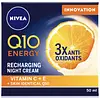 Key Ingredients
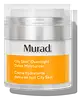
Benefits
Concerns
Ingredients Side-by-side
Water
Skin ConditioningGlycerin
Humectant


Cetearyl Alcohol
Emollient




Ethylhexyl Cocoate
Emollient
Caprylic/Capric Triglyceride
Masking
Hydrogenated Coco-Glycerides
Emollient
Butylene Glycol
Humectant
Butyrospermum Parkii Butter
Skin Conditioning
Glyceryl Stearate Citrate
Emollient
Octyldodecanol
Emollient
Ubiquinone
Antioxidant

Sodium Ascorbyl Phosphate
Antioxidant




Tocopheryl Acetate
Antioxidant
Creatine
Skin Conditioning1-Methylhydantoin-2-Imide
Skin ConditioningEthylhexylglycerin
Skin Conditioning1,2-Hexanediol
Skin Conditioning
Carbomer
Emulsion StabilisingSodium Hydroxide
BufferingPhenoxyethanol
Preservative
Linalool
Perfuming




Limonene
Perfuming
Geraniol
Perfuming
Parfum
Masking
CI 16035
Cosmetic ColorantWater, Glycerin, Cetearyl Alcohol, Ethylhexyl Cocoate, Caprylic/Capric Triglyceride, Hydrogenated Coco-Glycerides, Butylene Glycol, Butyrospermum Parkii Butter, Glyceryl Stearate Citrate, Octyldodecanol, Ubiquinone, Sodium Ascorbyl Phosphate, Tocopheryl Acetate, Creatine, 1-Methylhydantoin-2-Imide, Ethylhexylglycerin, 1,2-Hexanediol, Carbomer, Sodium Hydroxide, Phenoxyethanol, Linalool, Limonene, Geraniol, Parfum, CI 16035
Water
Skin ConditioningGlycerin
Humectant
Shea Butter Ethyl Esters
Emollient
Dicaprylyl Carbonate
EmollientIsodecyl Neopentanoate
EmollientJojoba Esters
Emollient
Glyceryl Stearate Citrate
Emollient
Synthetic Beeswax
Emulsion Stabilising
Dimethicone
Emollient
Hydrogenated Palm Kernel Glycerides
EmollientEctoin
Skin Conditioning

Marrubium Vulgare Extract
Skin ConditioningAllantoin
Skin Conditioning
Zingiber Officinale Root Extract
Masking
Brassica Campestris Sterols
EmollientHydrolyzed Jojoba Esters
Skin Conditioning
Tetrahexyldecyl Ascorbate
Antioxidant
Hordeum Vulgare Extract
EmollientCucumis Sativus Fruit Extract
Emollient
Helianthus Annuus Seed Extract
Skin Conditioning
Urea
Buffering
Yeast Amino Acids
HumectantTrehalose
Humectant
Inositol
Humectant
Taurine
BufferingBetaine
Humectant
Bisabolol
Antioxidant
Hydroxyphenyl Propamidobenzoic Acid
Skin ConditioningHydrogenated Palm Glycerides
Emollient
Xanthan Gum
EmulsifyingPropylene Glycol Dicaprate
EmollientAcrylates/C10-30 Alkyl Acrylate Crosspolymer
Emulsion StabilisingHexyldecanol
Emollient
Pentylene Glycol
Skin Conditioning
4-T-Butylcyclohexanol
Masking
Cetylhydroxyproline Palmitamide
Skin ConditioningStearic Acid
Cleansing
Disodium Carboxyethyl Siliconate
Skin ConditioningAminomethyl Propanol
BufferingDisodium EDTA
Ethylhexylglycerin
Skin ConditioningPhenoxyethanol
Preservative
Parfum
Masking
Limonene
Perfuming
Linalool
Perfuming
Benzyl Salicylate
Perfuming
CI 77891
Cosmetic ColorantWater, Glycerin, Shea Butter Ethyl Esters, Dicaprylyl Carbonate, Isodecyl Neopentanoate, Jojoba Esters, Glyceryl Stearate Citrate, Synthetic Beeswax, Dimethicone, Hydrogenated Palm Kernel Glycerides, Ectoin, Marrubium Vulgare Extract, Allantoin, Zingiber Officinale Root Extract, Brassica Campestris Sterols, Hydrolyzed Jojoba Esters, Tetrahexyldecyl Ascorbate, Hordeum Vulgare Extract, Cucumis Sativus Fruit Extract, Helianthus Annuus Seed Extract, Urea, Yeast Amino Acids, Trehalose, Inositol, Taurine, Betaine, Bisabolol, Hydroxyphenyl Propamidobenzoic Acid, Hydrogenated Palm Glycerides, Xanthan Gum, Propylene Glycol Dicaprate, Acrylates/C10-30 Alkyl Acrylate Crosspolymer, Hexyldecanol, Pentylene Glycol, 4-T-Butylcyclohexanol, Cetylhydroxyproline Palmitamide, Stearic Acid, Disodium Carboxyethyl Siliconate, Aminomethyl Propanol, Disodium EDTA, Ethylhexylglycerin, Phenoxyethanol, Parfum, Limonene, Linalool, Benzyl Salicylate, CI 77891
Reviews
Alternatives
Ingredients Explained
These ingredients are found in both products.
Ingredients higher up in an ingredient list are typically present in a larger amount.
Ethylhexylglycerin is created from glycerin. It is a multitasker ingredient that:
The CIR Expert Panel found minimal skin absorption or sensitization of any kind in a safety assessment. Though this ingredient is considered well-tolerated, a small number of cases of allergic dermatitis have been published since 2002. Just be sure to patch test if you are unsure.
Industry-reported use ranges from 8% in rinse-off products and 2% in leave-on formulations.
Learn more about EthylhexylglycerinGlycerin (or glycerol) is a compound naturally found in your skin. It's a powerhouse humectant that pulls water into the stratum corneum.
Topically, glycerin does several things at once:
Your skin makes glycerin on its own (mostly from sebaceous oil breakdown) and shuttles it to your outermost layer of skin, or your epidermis, via aquaporin-3.
Aquaporin-3 is a transporter that is essential for normal skin hydration, elasticity, and repair. Interestingly, mice lacking in AQP3 have dry and less elastic skin that can be fully corrected with glycerin.
This ingredient is non-irritating, plays well with almost every ingredient, and works across all skin types. Typical use is anywhere between 3-10% but can go up to 79% in some leave-on products.
Just know very high concentrations (>40%) can feel tacky in low humidity.
Glycerin is the name for this ingredient in American English. British English uses Glycerol/Glycerine.
Learn more about GlycerinGlyceryl Stearate Citrate is a citric acid ester of glyceryl stearate.
It is an emulsifier, emollient, and a surfactant.
Emulsifiers help stabilize a product. It does this by preventing certain ingredients from separating. Common ingredients include oils and water, which do not mix naturally. Emulsifiers have properties that help keep ingredients such as these together.
Emollients help soothe and soften the skin. They do this by creating a protective film on your skin. This barrier helps trap moisture and keeps your skin hydrated. Emollients may be effective at treating dry or itchy skin.
Surfactants help gather oils, dirt, and other pollutants from the skin. This helps them to be easily rinsed away.
Learn more about Glyceryl Stearate CitrateLimonene is a fragrance that adds scent and taste to a formulation.
It's found in the peel oil of citrus fruits and other plants such as lavender and eucalyptus. The scent of limonene is generally described as "sweet citrus".
Limonene acts as an antioxidant, meaning it helps neutralize free radicals.
When exposed to air, oxidized limonene may sensitize the skin. Because of this, limonene is often avoided by people with sensitive skin.
The term 'fragrance' is not regulated in many countries. In many cases, it is up to the brand to define this term. For instance, many brands choose to label themselves as "fragrance-free" because they are not using synthetic fragrances. However, their products may still contain ingredients such as essential oils that are considered a fragrance.
Learn more about LimoneneLinalool is a fragrance and helps add scent to products. It's derived from common plants such as cinnamon, mint, citrus, and lavender.
Like Limonene, this ingredient oxidizes when exposed to air. Oxidized linalool can cause allergies and skin sensitivity.
This ingredient has a scent that is floral, spicy tropical, and citrus-like.
Learn more about LinaloolParfum is a catch-all term for an ingredient or more that is used to give a scent to products.
Also called "fragrance", this ingredient can be a blend of hundreds of chemicals or plant oils. This means every product with "fragrance" or "parfum" in the ingredients list is a different mixture.
For instance, Habanolide is a proprietary trade name for a specific aroma chemical. When used as a fragrance ingredient in cosmetics, most aroma chemicals fall under the broad labeling category of “FRAGRANCE” or “PARFUM” according to EU and US regulations.
The term 'parfum' or 'fragrance' is not regulated in many countries. In many cases, it is up to the brand to define this term.
For instance, many brands choose to label themselves as "fragrance-free" because they are not using synthetic fragrances. However, their products may still contain ingredients such as essential oils that are considered a fragrance by INCI standards.
One example is Calendula flower extract. Calendula is an essential oil that still imparts a scent or 'fragrance'.
Depending on the blend, the ingredients in the mixture can cause allergies and sensitivities on the skin. Some ingredients that are known EU allergens include linalool and citronellol.
Parfum can also be used to mask or cover an unpleasant scent.
The bottom line is: not all fragrances/parfum/ingredients are created equally. If you are worried about fragrances, we recommend taking a closer look at an ingredient. And of course, we always recommend speaking with a professional.
Learn more about ParfumPhenoxyethanol is a preservative that has germicide, antimicrobial, and aromatic properties. Studies show that phenoxyethanol can prevent microbial growth. By itself, it has a scent that is similar to that of a rose.
It's often used in formulations along with Caprylyl Glycol to preserve the shelf life of products.
Water. It's the most common cosmetic ingredient of all. You'll usually see it at the top of ingredient lists, meaning that it makes up the largest part of the product.
So why is it so popular? Water most often acts as a solvent - this means that it helps dissolve other ingredients into the formulation.
You'll also recognize water as that liquid we all need to stay alive. If you see this, drink a glass of water. Remember to stay hydrated!
Learn more about Water
