Nivea Luminous 630 Anti Mark And Dark Spots Cream Versus Eucerin Sun Hydro Protect Ultra Light Fluid SPF50+

What's inside
What's inside
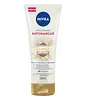 Key Ingredients
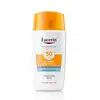
Benefits
Concerns
Ingredients Side-by-side
Water
Skin ConditioningGlycerin
Humectant



Alcohol
Antimicrobial





Dicaprylyl Carbonate
EmollientGlyceryl Stearate
Emollient
Butyrospermum Parkii Butter
Skin Conditioning
Tapioca Starch
Caprylic/Capric Triglyceride
Masking
Cetearyl Alcohol
Emollient
Cocoglycerides
Emollient
Octyldodecanol
Emollient
Isobutylamido Thiazolyl Resorcinol
Bleaching

Tocopherol
Antioxidant


Potassium Cetyl Phosphate
EmulsifyingHydrogenated Palm Glycerides
Emollient
Carrageenan
Trisodium EDTA
Xanthan Gum
EmulsifyingSodium Hydroxide
BufferingHydroxyacetophenone
Antioxidant
Phenoxyethanol
Preservative
Parfum
Masking
Water, Glycerin, Alcohol, Dicaprylyl Carbonate, Glyceryl Stearate, Butyrospermum Parkii Butter, Tapioca Starch, Caprylic/Capric Triglyceride, Cetearyl Alcohol, Cocoglycerides, Octyldodecanol, Isobutylamido Thiazolyl Resorcinol, Tocopherol, Potassium Cetyl Phosphate, Hydrogenated Palm Glycerides, Carrageenan, Trisodium EDTA, Xanthan Gum, Sodium Hydroxide, Hydroxyacetophenone, Phenoxyethanol, Parfum
Water
Skin ConditioningAlcohol Denat.
Antimicrobial
C12-15 Alkyl Benzoate
AntimicrobialButyl Methoxydibenzoylmethane
UV Absorber
Bis-Ethylhexyloxyphenol Methoxyphenyl Triazine
Skin Conditioning
Ethylhexyl Triazone
UV Absorber
Butylene Glycol Dicaprylate/Dicaprate
EmollientDibutyl Adipate
EmollientDiethylamino Hydroxybenzoyl Hexyl Benzoate
UV Filter
Phenylbenzimidazole Sulfonic Acid
UV Absorber
Silica
Abrasive
Tapioca Starch
Polyglyceryl-6 Stearate
Emollient
Silica Dimethyl Silylate
EmollientGlycerin
Humectant
Glycyrrhiza Inflata Root Extract
Skin ConditioningSodium Hyaluronate
Humectant
Arginine Hcl
Skin ConditioningSodium PCA
Humectant
Sodium Lactate
BufferingGlycyrrhetinic Acid
Skin ConditioningCetearyl Alcohol
Emollient
Glyceryl Stearate
Emollient
Copernicia Cerifera Cera
Emollient
Polyglyceryl-6 Behenate
Emulsion Stabilising
Xanthan Gum
EmulsifyingHydroxypropyl Methylcellulose
Emulsion StabilisingSodium Hydroxide
BufferingTrisodium EDTA
Hydroxyacetophenone
Antioxidant
Phenoxyethanol
Preservative
Parfum
Masking
Water, Alcohol Denat., C12-15 Alkyl Benzoate, Butyl Methoxydibenzoylmethane, Bis-Ethylhexyloxyphenol Methoxyphenyl Triazine, Ethylhexyl Triazone, Butylene Glycol Dicaprylate/Dicaprate, Dibutyl Adipate, Diethylamino Hydroxybenzoyl Hexyl Benzoate, Phenylbenzimidazole Sulfonic Acid, Silica, Tapioca Starch, Polyglyceryl-6 Stearate, Silica Dimethyl Silylate, Glycerin, Glycyrrhiza Inflata Root Extract, Sodium Hyaluronate, Arginine Hcl, Sodium PCA, Sodium Lactate, Glycyrrhetinic Acid, Cetearyl Alcohol, Glyceryl Stearate, Copernicia Cerifera Cera, Polyglyceryl-6 Behenate, Xanthan Gum, Hydroxypropyl Methylcellulose, Sodium Hydroxide, Trisodium EDTA, Hydroxyacetophenone, Phenoxyethanol, Parfum
Reviews
Ingredients Explained
These ingredients are found in both products.
Ingredients higher up in an ingredient list are typically present in a larger amount.
Cetearyl alcohol is a mixture of two fatty alcohols: cetyl alcohol and stearyl alcohol. It is mainly used as an emulsifier. Emulsifiers help prevent the separation of oils and products. Due to its composition, it can also be used to thicken a product or help create foam.
Cetearyl alcohol is an emollient. Emollients help soothe and hydrate the skin by trapping moisture.
Studies show Cetearyl alcohol is non-toxic and non-irritating. The FDA allows products labeled "alcohol-free" to have fatty alcohols.
This ingredient is usually derived from plant oils such as palm, vegetable, or coconut oils. There is debate on whether this ingredient will cause acne.
Due to the fatty acid base, this ingredient may not be Malassezia folliculitis safe.
Learn more about Cetearyl AlcoholGlycerin is already naturally found in your skin. It helps moisturize and protect your skin.
A study from 2016 found glycerin to be more effective as a humectant than AHAs and hyaluronic acid.
As a humectant, it helps the skin stay hydrated by pulling moisture to your skin. The low molecular weight of glycerin allows it to pull moisture into the deeper layers of your skin.
Hydrated skin improves your skin barrier; Your skin barrier helps protect against irritants and bacteria.
Glycerin has also been found to have antimicrobial and antiviral properties. Due to these properties, glycerin is often used in wound and burn treatments.
In cosmetics, glycerin is usually derived from plants such as soybean or palm. However, it can also be sourced from animals, such as tallow or animal fat.
This ingredient is organic, colorless, odorless, and non-toxic.
Glycerin is the name for this ingredient in American English. British English uses Glycerol/Glycerine.
Learn more about GlycerinGlyceryl Stearate is a mix of glycerin and stearic acid.
It is used to stabilize the mixing of water and oil ingredients. By preventing these ingredients from separating, it can help elongate shelf life. It can also help thicken the product's texture.
As an emollient, it helps soften skin and supports barrier-replenishing ingredients.
In cosmetics, Glyceryl Stearate is often made from vegetable oils or synthetically produced.
This ingredient may not be fungal-acne safe
Fun fact: The human body also creates Glyceryl Stearate naturally.
Learn more about Glyceryl StearateHydroxyacetophenone is antioxidant with skin conditioning and soothing properties. It also boosts the efficiency of preservatives.
This ingredient is not irritating or sensitizing.
Parfum is a catch-all term for an ingredient or more that is used to give a scent to products.
Also called "fragrance", this ingredient can be a blend of hundreds of chemicals or plant oils. This means every product with "fragrance" or "parfum" in the ingredients list is a different mixture.
For instance, Habanolide is a proprietary trade name for a specific aroma chemical. When used as a fragrance ingredient in cosmetics, most aroma chemicals fall under the broad labeling category of “FRAGRANCE” or “PARFUM” according to EU and US regulations.
The term 'parfum' or 'fragrance' is not regulated in many countries. In many cases, it is up to the brand to define this term.
For instance, many brands choose to label themselves as "fragrance-free" because they are not using synthetic fragrances. However, their products may still contain ingredients such as essential oils that are considered a fragrance by INCI standards.
One example is Calendula flower extract. Calendula is an essential oil that still imparts a scent or 'fragrance'.
Depending on the blend, the ingredients in the mixture can cause allergies and sensitivities on the skin. Some ingredients that are known EU allergens include linalool and citronellol.
Parfum can also be used to mask or cover an unpleasant scent.
The bottom line is: not all fragrances/parfum/ingredients are created equally. If you are worried about fragrances, we recommend taking a closer look at an ingredient. And of course, we always recommend speaking with a professional.
Learn more about ParfumPhenoxyethanol is a preservative that has germicide, antimicrobial, and aromatic properties. Studies show that phenoxyethanol can prevent microbial growth. By itself, it has a scent that is similar to that of a rose.
It's often used in formulations along with Caprylyl Glycol to preserve the shelf life of products.
Sodium Hydroxide is also known as lye or caustic soda. It is used to adjust the pH of products; many ingredients require a specific pH to be effective.
In small amounts, sodium hydroxide is considered safe to use. However, large amounts may cause chemical burns due to its high alkaline.
Your skin has a natural pH and acid mantle. This acid mantle helps prevent harmful bacteria from breaking through. The acid mantle also helps keep your skin hydrated.
"Alkaline" refers to a high pH level. A low pH level would be considered acidic.
Learn more about Sodium HydroxideTapioca starch is a thickening agent and is made from the cassava root, also known as yucca.
According to a manufacturer, it is an excellent talc replacement.
It is gluten-free.
Learn more about Tapioca StarchWe don't have a description for Trisodium EDTA yet.
Water. It's the most common cosmetic ingredient of all. You'll usually see it at the top of ingredient lists, meaning that it makes up the largest part of the product.
So why is it so popular? Water most often acts as a solvent - this means that it helps dissolve other ingredients into the formulation.
You'll also recognize water as that liquid we all need to stay alive. If you see this, drink a glass of water. Stay hydrated!
Learn more about WaterXanthan gum is used as a stabilizer and thickener within cosmetic products. It helps give products a sticky, thick feeling - preventing them from being too runny.
On the technical side of things, xanthan gum is a polysaccharide - a combination consisting of multiple sugar molecules bonded together.
Xanthan gum is a pretty common and great ingredient. It is a natural, non-toxic, non-irritating ingredient that is also commonly used in food products.
Learn more about Xanthan Gum
