
What's inside
What's inside
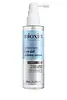 Key Ingredients
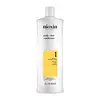
Benefits
Concerns
Ingredients Side-by-side

Water
Skin ConditioningCetyl Alcohol
Emollient


Stearamidopropyl Dimethylamine
EmulsifyingStearyl Alcohol
Emollient
Distearyldimonium Chloride
Mentha Arvensis Leaf Oil
Masking


Mentha Piperita Oil
Masking



Hydroxyethylcellulose
Emulsion StabilisingPhenoxyethanol
Preservative
Benzyl Alcohol
Perfuming

Cetearyl Alcohol
Emollient

Glyceryl Stearate
Emollient
Oleyl Alcohol
Emollient
Propylene Glycol
Humectant
Methylparaben
Preservative

PEG-2m
Emulsion StabilisingPropylparaben
Preservative
Polysorbate 60
Emulsifying
Quaternium-80
EDTA
Citric Acid
Buffering

Limonene
Perfuming
Camellia Sinensis Leaf Extract
Antimicrobial





Silica
Abrasive
Cystine Bis-Pg-Propyl Silanetriol
Skin ConditioningDisodium Phosphate
BufferingNiacinamide
Smoothing





Panthenol
Skin Conditioning
Biotin
AntiseborrhoeicLecithin
Emollient
Tocopheryl Acetate
Antioxidant
Citrus Paradisi Peel Extract
Perfuming
Humulus Lupulus Extract
AntimicrobialUrtica Dioica Leaf Extract
Skin ConditioningSodium Phosphate
BufferingBHT
Antioxidant
Acer Saccharum Extract
Skin ConditioningCitrus Limon Peel Extract
EmollientSaccharum Officinarum Extract
MoisturisingVaccinium Myrtillus Leaf Extract
AstringentFaex Extract
Skin ConditioningCitrus Aurantium Dulcis Fruit Extract
MaskingSodium Benzoate
Masking
Potassium Sorbate
Preservative
Maltodextrin
Absorbent
CI 42090
Cosmetic ColorantEthylparaben
Preservative
Butylparaben
Masking
Water, Cetyl Alcohol, Stearamidopropyl Dimethylamine, Stearyl Alcohol, Distearyldimonium Chloride, Mentha Arvensis Leaf Oil, Mentha Piperita Oil, Hydroxyethylcellulose, Phenoxyethanol, Benzyl Alcohol, Cetearyl Alcohol, Glyceryl Stearate, Oleyl Alcohol, Propylene Glycol, Methylparaben, PEG-2m, Propylparaben, Polysorbate 60, Quaternium-80, EDTA, Citric Acid, Limonene, Camellia Sinensis Leaf Extract, Silica, Cystine Bis-Pg-Propyl Silanetriol, Disodium Phosphate, Niacinamide, Panthenol, Biotin, Lecithin, Tocopheryl Acetate, Citrus Paradisi Peel Extract, Humulus Lupulus Extract, Urtica Dioica Leaf Extract, Sodium Phosphate, BHT, Acer Saccharum Extract, Citrus Limon Peel Extract, Saccharum Officinarum Extract, Vaccinium Myrtillus Leaf Extract, Faex Extract, Citrus Aurantium Dulcis Fruit Extract, Sodium Benzoate, Potassium Sorbate, Maltodextrin, CI 42090, Ethylparaben, Butylparaben
Ingredients Explained
These ingredients are found in both products.
Ingredients higher up in an ingredient list are typically present in a larger amount.
Citric Acid is an alpha hydroxy acid (AHA) naturally found in citrus fruits like oranges, lemons, and limes.
Like other AHAs, citric acid can exfoliate skin by breaking down the bonds that hold dead skin cells together. This helps reveal smoother and brighter skin underneath.
However, this exfoliating effect only happens at high concentrations (20%) which can be hard to find in cosmetic products.
Due to this, citric acid is usually included in small amounts as a pH adjuster. This helps keep products slightly more acidic and compatible with skin's natural pH.
In skincare formulas, citric acid can:
While it can provide some skin benefits, research shows lactic acid and glycolic acid are generally more effective and less irritating exfoliants.
Most citric acid used in skincare today is made by fermenting sugars (usually from molasses). This synthetic version is identical to the natural citrus form but easier to stabilize and use in formulations.
Read more about some other popular AHA's here:
Learn more about Citric AcidLimonene is a fragrance that adds scent and taste to a formulation.
It's found in the peel oil of citrus fruits and other plants such as lavender and eucalyptus. The scent of limonene is generally described as "sweet citrus".
Limonene acts as an antioxidant, meaning it helps neutralize free radicals.
When exposed to air, oxidized limonene may sensitize the skin. Because of this, limonene is often avoided by people with sensitive skin.
The term 'fragrance' is not regulated in many countries. In many cases, it is up to the brand to define this term. For instance, many brands choose to label themselves as "fragrance-free" because they are not using synthetic fragrances. However, their products may still contain ingredients such as essential oils that are considered a fragrance.
Learn more about LimoneneNiacinamide is a multitasking form of vitamin B3 that strengthens the skin barrier, reduces pores and dark spots, regulates oil, and improves signs of aging.
And the best part? It's gentle and well-tolerated by most skin types, including sensitive and reactive skin.
You might have heard of "niacin flush", or the reddening of skin that causes itchiness. Niacinamide has not been found to cause this.
In very rare cases, some individuals may not be able to tolerate niacinamide at all or experience an allergic reaction to it.
If you are experiencing flaking, irritation, and dryness with this ingredient, be sure to double check all your products as this ingredient can be found in all categories of skincare.
When incorporating niacinamide into your routine, look out for concentration amounts. Typically, 5% niacinamide provides benefits such as fading dark spots. However, if you have sensitive skin, it is better to begin with a smaller concentration.
When you apply niacinamide to your skin, your body converts it into nicotinamide adenine dinucleotide (NAD). NAD is an essential coenzyme that is already found in your cells as "fuel" and powers countless biological processes.
In your skin, NAD helps repair cell damage, produce new healthy cells, support collagen production, strengthen the skin barrier, and fight environmental stressors (like UV and pollution).
Our natural NAD levels start to decline with age, leading to slower skin repair, visible aging, and a weaker skin barrier. By providing your skin niacinamide, you're recharging your skin's NAD levels. This leads to stronger, healthier, and younger looking skin.
Another name for vitamin B3 is nicotinamide. This vitamin is water-soluble and our bodies don't store it. We obtain Vitamin B3 from either food or skincare. Meat, fish, wheat, yeast, and leafy greens contain vitamin B3.
The type of niacinamide used in skincare is synthetically created.
Learn more about NiacinamideWater. It's the most common cosmetic ingredient of all. You'll usually see it at the top of ingredient lists, meaning that it makes up the largest part of the product.
So why is it so popular? Water most often acts as a solvent - this means that it helps dissolve other ingredients into the formulation.
You'll also recognize water as that liquid we all need to stay alive. If you see this, drink a glass of water. Remember to stay hydrated!
Learn more about Water
