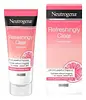
This acne moisturizer is formulated around Salicylic Acid to clear breakouts and refine skin texture.
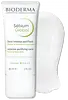
This acne moisturizer is formulated around Zinc Gluconate and Salicylic Acid to clear breakouts and balance excess oil.


What's inside
What's inside
 Key Ingredients
Benefits
Concerns
Ingredients Side-by-side
Glycerin
Humectant


Propylene Glycol
Humectant

Cetyl Alcohol
Emollient


C12-15 Alkyl Benzoate
AntimicrobialGlyceryl Stearate
Emollient
PEG-100 Stearate
Surfactant
Stearyl Alcohol
Emollient
C12-15 Alkyl Lactate
EmollientSalicylic Acid
Masking








Aloe Barbadensis Leaf Extract
Emollient

Cetyl Lactate
EmollientChamomilla Recutita Extract
Skin Conditioning
Cocamidopropyl Pg-Dimonium Chloride Phosphate
Menthyl Lactate
Masking
Dimethicone
Emollient
Propylene Glycol Isostearate
Skin Conditioning
Sodium Isostearoyl Lactylate
EmulsifyingAcrylates/C10-30 Alkyl Acrylate Crosspolymer
Emulsion StabilisingCarbomer
Emulsion StabilisingSodium Chloride
MaskingPalmitic Acid
Emollient
Stearic Acid
Cleansing
Disodium EDTA
ChelatingSodium Hydroxide
BufferingBenzalkonium Chloride
Antimicrobial
Ethylparaben
Preservative

Methylparaben
Preservative
Propylparaben
Preservative
Phenoxyethanol
Preservative
Parfum
Masking

Benzyl Alcohol
Perfuming

Glycerin, Propylene Glycol, Cetyl Alcohol, C12-15 Alkyl Benzoate, Glyceryl Stearate, PEG-100 Stearate, Stearyl Alcohol, C12-15 Alkyl Lactate, Salicylic Acid, Aloe Barbadensis Leaf Extract, Cetyl Lactate, Chamomilla Recutita Extract, Cocamidopropyl Pg-Dimonium Chloride Phosphate, Menthyl Lactate, Dimethicone, Propylene Glycol Isostearate, Sodium Isostearoyl Lactylate, Acrylates/C10-30 Alkyl Acrylate Crosspolymer, Carbomer, Sodium Chloride, Palmitic Acid, Stearic Acid, Disodium EDTA, Sodium Hydroxide, Benzalkonium Chloride, Ethylparaben, Methylparaben, Propylparaben, Phenoxyethanol, Parfum, Benzyl Alcohol
Water
Skin ConditioningC12-13 Alkyl Lactate
EmollientCitric Acid
Buffering
Dipropylene Glycol
HumectantCyclopentasiloxane
Emollient
Sodium Hydroxide
BufferingGlycerin
Humectant
Methyl Methacrylate Crosspolymer
Zinc Gluconate
Skin Conditioning
Salicylic Acid
Masking
Arachidyl Alcohol
Emollient
Dimethicone
Emollient
Behenyl Alcohol
Emollient
Glyceryl Stearate
Emollient
PEG-100 Stearate
Surfactant
Silica
Abrasive
Xanthan Gum
EmulsifyingArachidyl Glucoside
EmulsifyingC30-45 Alkyl Cetearyl Dimethicone Crosspolymer
Emollient
Hydroxyethyl Acrylate/Sodium Acryloyldimethyl Taurate Copolymer
Emulsion StabilisingGlycyrrhetinic Acid
Skin Conditioning
Squalane
Emollient
Bakuchiol
Antimicrobial


Sodium Metabisulfite
Antioxidant
Xylitol
Humectant
Propylene Glycol
Humectant
Polysorbate 60
Emulsifying
Sorbitan Isostearate
Emulsifying
Fructooligosaccharides
Humectant
Mannitol
Humectant
Propyl Gallate
Antioxidant
Caprylic/Capric Triglyceride
Masking
Ginkgo Biloba Leaf Extract
Skin Conditioning
Rhamnose
HumectantLaminaria Ochroleuca Extract
Skin Conditioning
Parfum
Masking
Water, C12-13 Alkyl Lactate, Citric Acid, Dipropylene Glycol, Cyclopentasiloxane, Sodium Hydroxide, Glycerin, Methyl Methacrylate Crosspolymer, Zinc Gluconate, Salicylic Acid, Arachidyl Alcohol, Dimethicone, Behenyl Alcohol, Glyceryl Stearate, PEG-100 Stearate, Silica, Xanthan Gum, Arachidyl Glucoside, C30-45 Alkyl Cetearyl Dimethicone Crosspolymer, Hydroxyethyl Acrylate/Sodium Acryloyldimethyl Taurate Copolymer, Glycyrrhetinic Acid, Squalane, Bakuchiol, Sodium Metabisulfite, Xylitol, Propylene Glycol, Polysorbate 60, Sorbitan Isostearate, Fructooligosaccharides, Mannitol, Propyl Gallate, Caprylic/Capric Triglyceride, Ginkgo Biloba Leaf Extract, Rhamnose, Laminaria Ochroleuca Extract, Parfum
Reviews
Ingredients Explained
These ingredients are found in both products.
Ingredients higher up in an ingredient list are typically present in a larger amount.
Dimethicone is a type of synthetic silicone created from natural materials such as quartz. It is also known as polydimethylsiloxane.
What it does:
Dimethicone comes in different viscosities:
Depending on the viscosity, dimethicone has different properties.
Ingredients lists don't always show which type is used, so we recommend reaching out to the brand if you have questions about the viscosity.
This ingredient is unlikely to cause irritation because it does not get absorbed into skin. However, people with silicone allergies should be careful about using this ingredient.
Note: Dimethicone may contribute to pilling. This is because it is not oil or water soluble, so pilling may occur when layered with products. When mixed with heavy oils in a formula, the outcome is also quite greasy.
Learn more about DimethiconeGlycerin (or glycerol) is a compound naturally found in your skin. It's a powerhouse humectant that pulls water into the stratum corneum.
Topically, glycerin does several things at once:
Your skin makes glycerin on its own (mostly from sebaceous oil breakdown) and shuttles it to your outermost layer of skin, or your epidermis, via aquaporin-3.
Aquaporin-3 is a transporter that is essential for normal skin hydration, elasticity, and repair. Interestingly, mice lacking in AQP3 have dry and less elastic skin that can be fully corrected with glycerin.
This ingredient is non-irritating, plays well with almost every ingredient, and works across all skin types. Typical use is anywhere between 3-10% but can go up to 79% in some leave-on products.
Just know very high concentrations (>40%) can feel tacky in low humidity.
Glycerin is the name for this ingredient in American English. British English uses Glycerol/Glycerine.
Learn more about GlycerinGlyceryl Stearate is made by reacting glycerin with stearic acid (typically sourced from plant oils like palm or coconut). It's an emulsifier, emollient, and mild occlusive.
Emulsifiers help ingredients like oil and water stay mixed so your formula stays nicely blended and uniform in texture.
This ingredient is typically used in concentrations between 1-10%. Studies have found it to be non-sensitizing, non-phototoxic, and non-photoallergenic.
A close cousin of this ingredient is Glyceryl Stearate SE ("self-emulsifying"). This just has a small amount of sodium or potassium stearate added so it can emulsify without a co-emulsifier.
Since this ingredient is an ester of a C18 fatty acid, it may not be fungal acne safe. The Malassezia yeast can potentially metabolize within the C11-C24 range.
Fun fact: The human body also creates Glyceryl Stearate naturally.
Learn more about Glyceryl StearateParfum is a catch-all term for an ingredient or more that is used to give a scent to products.
Also called "fragrance", this ingredient can be a blend of hundreds of chemicals or plant oils. This means every product with "fragrance" or "parfum" in the ingredients list is a different mixture.
For instance, Habanolide is a proprietary trade name for a specific aroma chemical. When used as a fragrance ingredient in cosmetics, most aroma chemicals fall under the broad labeling category of “FRAGRANCE” or “PARFUM” according to EU and US regulations.
The term 'parfum' or 'fragrance' is not regulated in many countries. In many cases, it is up to the brand to define this term.
For instance, many brands choose to label themselves as "fragrance-free" because they are not using synthetic fragrances. However, their products may still contain ingredients such as essential oils that are considered a fragrance by INCI standards.
One example is Calendula flower extract. Calendula is an essential oil that still imparts a scent or 'fragrance'.
Depending on the blend, the ingredients in the mixture can cause allergies and sensitivities on the skin. Some ingredients that are known EU allergens include linalool and citronellol.
Parfum can also be used to mask or cover an unpleasant scent.
The bottom line is: not all fragrances/parfum/ingredients are created equally. If you are worried about fragrances, we recommend taking a closer look at an ingredient. And of course, we always recommend speaking with a professional.
Learn more about ParfumPeg-100 Stearate is an emollient and emulsifier. As an emollient, it helps keep skin soft by trapping moisture in. On the other hand, emulsifiers help prevent oil and water from separating in a product.
PEGS are a hydrophilic polyether compound . There are 100 ethylene oxide monomers in Peg-100 Stearate. Peg-100 Stearate is polyethylene glycol ester of stearic acid.
Propylene Glycol is a synthetic, colorless, odorless liquid that has been a staple in cosmetics for decades. It is a skin conditioning agent, humectant, and solvent.
As a humectant, it draw water to the skin to reduce flaking and restore suppleness. It's also a solvent that helps dissolve other actives and keeps formulas stable across temperature changes.
The CIR Expert Panel has confirmed this ingredient to be nontoxic and clinical studies show no sensitization at cosmetic use concentrations.
True allergic reactions are quite rare: a 15-year retrospective study of 6,751 patients found only 0.31% had a positive reaction (and less than half were considered clinically relevant).
It seemed that when sensitization does occur, it's most commonly linked to topical medication (like corticosteroids) and not cosmetics. Allergic contact dermatitis also appears largely limited to individuals with underlying skin conditions.
Overall, propylene glycol is a well-studied ingredient that most people can tolerate without issue.
Learn more about Propylene GlycolSalicylic Acid (also known as beta hydroxy acid or BHA) is a well-known ingredient for treating skin that struggles with acne and clogged pores. It exfoliates both the skin's surface and deep within the pores to help clear out buildup, control oil, and reduce inflammation.
Unlike AHAs (alpha hydroxy acids), salicylic acid is oil-soluble. This allows it to penetrate into pores which makes it especially effective for treating blackheads and preventing future breakouts.
Salicylic acid is also known for its soothing properties. It has a similar structure to aspirin and can calm inflamed or irritated skin, making it a good option for acne-prone skin that is also sensitive.
Concentrations of 0.5-2% are recognized by the U.S. FDA as an over-the-counter topical acne product.
It can cause irritation and/or dryness if one's skin already has a compromised moisture barrier, so it's best to focus on repairing that before introducing this ingredient into your routine.
While salicylic acid does not increase sun sensitivity, it’s still important to wear sunscreen daily to protect your skin.
If you are looking for the ingredient called BHA or Butylated Hydroxyanisole, click here.
Learn more about Salicylic AcidSodium Hydroxide is also known as lye or caustic soda. It is used to adjust the pH of products; many ingredients require a specific pH to be effective.
In small amounts, sodium hydroxide is considered safe to use. However, large amounts may cause chemical burns due to its high alkaline.
Your skin has a natural pH and acid mantle. This acid mantle helps prevent harmful bacteria from breaking through. The acid mantle also helps keep your skin hydrated.
"Alkaline" refers to a high pH level. A low pH level would be considered acidic.
Learn more about Sodium Hydroxide

