Neutrogena Hydro Boost Gel Cream Versus Elizabeth Arden Hyaluronic Acid Ceramide Hydra-Plumping Serum Capsules
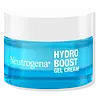
This barrier-repair moisturizer is formulated around Sodium Hyaluronate to strengthen the skin barrier and hydrate skin.
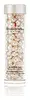
This hydrating serum is formulated around Ceramide Ng and Ceramide NP to hydrate skin and strengthen the skin barrier.

What's inside
What's inside
 Key Ingredients
Benefits
Concerns
Ingredients Side-by-side
Water
Skin ConditioningGlycerin
Humectant


Dimethicone
Emollient
Cetearyl Olivate


Sorbitan Olivate
Emulsifying
Sodium Hyaluronate
Humectant


Serine
Masking
Glycine
Buffering
Alanine
Masking
Threonine
Arginine
Masking
Proline
Skin Conditioning
Lysine Hcl
Skin Conditioning
Glutamic Acid
Humectant
Sodium PCA
Humectant
PCA
Humectant
Sodium Lactate
Buffering
Urea
Buffering

Sodium Chloride
MaskingCitric Acid
Buffering

Betaine
Humectant
Allantoin
Skin Conditioning
Fructose
Humectant
Maltose
MaskingTrehalose
Humectant
Glucose
Humectant
Pentylene Glycol
Skin Conditioning
Synthetic Beeswax
Emulsion Stabilising
Polyacrylate Crosspolymer-6
Emulsion StabilisingDimethicone Crosspolymer
Emulsion Stabilising
Dimethiconol
Emollient
Ethylhexylglycerin
Skin ConditioningCaprylyl Glycol
Emollient
Sodium Hydroxide
BufferingWater, Glycerin, Dimethicone, Cetearyl Olivate, Sorbitan Olivate, Sodium Hyaluronate, Serine, Glycine, Alanine, Threonine, Arginine, Proline, Lysine Hcl, Glutamic Acid, Sodium PCA, PCA, Sodium Lactate, Urea, Sodium Chloride, Citric Acid, Betaine, Allantoin, Fructose, Maltose, Trehalose, Glucose, Pentylene Glycol, Synthetic Beeswax, Polyacrylate Crosspolymer-6, Dimethicone Crosspolymer, Dimethiconol, Ethylhexylglycerin, Caprylyl Glycol, Sodium Hydroxide
Dimethicone
Emollient
Caprylic/Capric Triglyceride
Masking
Dimethicone/Vinyltrimethylsiloxysilicate Crosspolymer
Silica
Abrasive


Ethylhexyl Palmitate
Emollient


C12-15 Alkyl Benzoate
AntimicrobialDimethiconol
Emollient
Butylene Glycol
Humectant
Ceramide Ng
Skin Conditioning
Ceramide NP
Skin Conditioning
Ceramide Ns
Skin Conditioning
Cyclopentasiloxane
Emollient
Diethylhexyl Syringylidenemalonate
Skin Protecting
Ethylhexyl Cocoate
Emollient
Helianthus Annuus Seed Oil
Emollient
Hydrogenated Castor Oil
Emollient
Hydrolyzed Sodium Hyaluronate
Skin Conditioning
Lactic Acid
Buffering

Lecithin
Emollient
Olea Europaea Fruit Oil
Masking
Palmitoyl Hexapeptide-12
Skin Conditioning
PEG-10 Phytosterol
EmulsifyingPentylene Glycol
Skin Conditioning
Persea Gratissima Oil
Skin Conditioning
Phytosphingosine
Skin Conditioning
Phytosterols
Skin Conditioning
Propylene Glycol Dicaprylate/Dicaprate
EmollientRicinus Communis Seed Oil
Masking
Silica Dimethyl Silylate
EmollientSodium Hyaluronate
Humectant
Tribehenin
Emollient
Zingiber Zerumbet Extract
Skin ConditioningPhenoxyethanol
Preservative
Dimethicone, Caprylic/Capric Triglyceride, Dimethicone/Vinyltrimethylsiloxysilicate Crosspolymer, Silica, Ethylhexyl Palmitate, C12-15 Alkyl Benzoate, Dimethiconol, Butylene Glycol, Ceramide Ng, Ceramide NP, Ceramide Ns, Cyclopentasiloxane, Diethylhexyl Syringylidenemalonate, Ethylhexyl Cocoate, Helianthus Annuus Seed Oil, Hydrogenated Castor Oil, Hydrolyzed Sodium Hyaluronate, Lactic Acid, Lecithin, Olea Europaea Fruit Oil, Palmitoyl Hexapeptide-12, PEG-10 Phytosterol, Pentylene Glycol, Persea Gratissima Oil, Phytosphingosine, Phytosterols, Propylene Glycol Dicaprylate/Dicaprate, Ricinus Communis Seed Oil, Silica Dimethyl Silylate, Sodium Hyaluronate, Tribehenin, Zingiber Zerumbet Extract, Phenoxyethanol
Reviews
Ingredients Explained
These ingredients are found in both products.
Ingredients higher up in an ingredient list are typically present in a larger amount.
Dimethicone is a type of synthetic silicone created from natural materials such as quartz. It is also known as polydimethylsiloxane.
What it does:
Dimethicone comes in different viscosities:
Depending on the viscosity, dimethicone has different properties.
Ingredients lists don't always show which type is used, so we recommend reaching out to the brand if you have questions about the viscosity.
This ingredient is unlikely to cause irritation because it does not get absorbed into skin. However, people with silicone allergies should be careful about using this ingredient.
Note: Dimethicone may contribute to pilling. This is because it is not oil or water soluble, so pilling may occur when layered with products. When mixed with heavy oils in a formula, the outcome is also quite greasy.
Learn more about DimethiconeDimethiconol is a silicone that resembles the popular dimethicone. Like other silicones, it is an emollient. Emollients create a thin film on skin to prevent moisture from escaping.
This ingredient helps to create a silky texture and improve spreadability. Due to its high molecular weight and thickness, it is often combined with cyclopentasiloxane.
Pentylene Glycol (1,2-pentanediol) is a multitasking little diol with three main roles in a formula:
Research on alkanediols (the family pentylene glycol belongs to) show they work by disrupting microbial cell membranes. This disruption helps the primary preservative system in a product work more effectively at lower doses.
On the safety side, the Cosmetic Ingredient Review Expert Panel has concluded this ingredient to be safe as used in current cosmetic practices + concentrations.
Typical use levels in a formula run about 1-5%.
Learn more about Pentylene GlycolSodium Hyaluronate is the salt form of hyaluronic acid. It is a long sugar chain that is naturally found in your skin, joints, and connective tissue that maintains hydration and elasticity.
In skincare, it works as a humectant. It pulls water from the environment and deeper layers of skin and binds it to the surface.
Interestingly, the size of the molecule affects its behavior:
Some clinical evidence links low molecular weight versions to improved wrinkle depth, elasticity, anti-inflammatory effects, and barrier repair.
Many serums use a blend of both weights so you can get surface hydration plus longer-lasting and deeper effects.
You'll typically see concentrations between 0.1-2% for this ingredient.
Learn more about Sodium Hyaluronate

